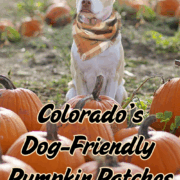
Dog Friendly Pumpkin Patches in Colorado

Dog-Friendly Pumpkin Patches in Colorado: Bring Your Pup Along for Fall Fun

Want to include your pup in your fall festivities? We’re here with a list of dog-friendly pumpkin patches in Colorado so you can bring your furry friend with you this season!

Fall in Colorado means crisp mornings, colorful leaves, and of course, farms full of pumpkins. For dog lovers, the best part is finding places where pups can join in the fun. Fortunately, Colorado has plenty of pumpkin patches that welcome dogs to walk the fields, take photos, and enjoy the season with their families.

Why Visit a Dog-Friendly Pumpkin Patch?

Pumpkin patches aren’t just about picking the perfect pumpkin. They’re about the entire experience: hayrides, corn mazes, treats, photo ops, and that cozy fall atmosphere we all know and love. When your pup comes along, the day feels even more special. You’ll snap great photos, introduce your dog to new sights and smells, and share the joy of autumn together.

Colorado’s Dog-Friendly Pumpkin Patches

Here are some of the best spots to check out this fall:

  • Something From The Farm – Fort Collins
    A classic, family-owned pumpkin patch in Northern Colorado. Attractions include hayrides, a hay bale maze, a pumpkin trebuchet, and a country store. Leashes and waste bags are required, but dogs cannot ride the hayrides.
  • The Bartels Pumpkin Patch – Fort Collins
    Another family-owned favorite in Northern Colorado. Expect hayrides, a corn maze, vegetable picking, and concessions. Leashes are required, and owners must clean up after pets. Dogs are not allowed on hayrides.
  • Osborn Farm – Loveland
    A longtime Larimer County farm offering gourds, hayrides, a petting zoo, and farm honey. Pups must stay leashed, and owners are expected to clean up after them.
  • Rock Creek Farm – Broomfield
    This popular patch features miles of corn mazes, farm animals, and a family fun area. Well-behaved dogs are welcome on leash. However, owners should keep them away from farm animals.
  • Maize in the City – Thornton
    A farmer-owned patch with attractions like mazes, games, rides, face painting, a petting zoo, and a market. Dogs are welcome with a leash and waste bags.
  • Cottonwood Farms – Lafayette
    A Boulder County farm with corn and bale mazes, hayrides, farm animals, and vintage farm equipment. Leashed and well-behaved dogs are welcome, but they must stay away from livestock.
  • Pope Farms – Wiggins
    Located in Morgan County, Pope Farms features a 10-acre corn maze, zip lines, duck races, a concession stand, and plenty of pumpkins. Leashes, waste bags and respecting farm animals are required.

Tips for Visiting with Your Dog

To make the most out of your day, keep these tips in mind:

  1. Keep pups leashed: All farms require leashes to keep visitors and farm animals safe.
  2. Bring water: Dogs need hydration just like us, especially during outdoor activities.
  3. Pack waste bags: Cleaning up helps keep farms welcoming to pets.
  4. Plan for photos: Fall backdrops create adorable seasonal pictures with your pup.
  5. Watch the weather: Colorado days swing between hot and chilly, so pack for comfort.
  6. Give farm animals distance: Even friendly dogs can stress livestock. Respect the farm by keeping your pup away from pens and animals.

Fall Adventures Await

Fall adventures feel even sweeter with your dog by your side. Visiting a dog-friendly pumpkin patch lets you enjoy the season together, explore new places, and start traditions you’ll look forward to year after year.

So grab a leash, bring a water bowl, and get ready to enjoy some pumpkin patch fun with your four-legged friend.

Want to keep your dog’s tail wagging all season long? We share more tips at Wet Noses Pet Sitting.

Fireworks & Fur Babies: Keeping Pets Calm on the 4th of July

The 4th of July is full of fun, parades, cookouts, time with family and friends, and those dazzling fireworks shows we all look forward to. But for our pets? It can be one of the most stressful days of the year.

The loud bangs, flashing lights, and unexpected chaos can leave even the calmest pets feeling anxious or afraid. In fact, more pets go missing around the 4th of July than any other time, many of them scared off by fireworks.

At Wet Noses Pet Sitting, we care deeply about your pets’ well-being, and we’re here to help. Here’s how you can prepare for the holiday and keep your furry friends feeling safe and secure.

Why Fireworks Freak Pets Out

While we know fireworks are harmless (and pretty cool!), our pets don’t understand what’s going on. To them, it’s just loud, unpredictable noise coming from the sky, with no explanation. Dogs and cats often react with:

  • Shaking or hiding

  • Whining, barking, or meowing

  • Pacing or trying to escape

  • Accidents indoors

  • Destructive behavior

Even if your pet has been fine before, anxiety can build over time, especially if they’re left alone or caught off guard.

Simple Ways to Help Your Pet Stay Calm

Here are some easy, effective things you can do to help your pet stay calm when the fireworks start:

1. Create a Safe, Cozy Spot

Pick a quiet room in your home, somewhere your pet already feels comfortable. Add their bed, a few favorite toys, and maybe some soft blankets. Keeping the lights on and playing calming music or white noise can really help.

2. Try Calming Products

There are some great options out there for easing anxiety:

  • Calming treats or chews (ask your vet first!)

  • Pheromone sprays or diffusers

  • CBD products (again, check with your vet to be safe)

Test these a few days ahead of time to see what works best for your pet.

3. Keep Them Indoors

Even if your pet usually loves the backyard, it’s safest to keep them inside when fireworks are going off. Scared pets can jump fences, dig under gates, or break loose from collars.

4. Block Out the Noise

Close the windows and curtains to help muffle the sound and block flashing lights. A fan, TV, or relaxing playlist can create background noise that helps your pet relax.

5. Skip the Fireworks Show (For Your Pet, At Least)

As tempting as it may be to bring your pup to the party, it’s best to leave them home in a safe, familiar place.

6. Check Tags and Microchips

Just in case they manage to get out, make sure their collar has an ID tag and their microchip info is up to date. It’s one of the best ways to help them get home quickly if they run.

Where Pet Sitters Come In

If you’re planning to be out celebrating, a professional pet sitter can make a world of difference. At Wet Noses Pet Sitting, we’re not just stopping by to feed your pet, we’re there to comfort them, stick to their routine, and help them feel secure when the world outside gets loud.

We can:

  • Stay with your pet during fireworks

  • Use calming techniques and products you provide

  • Keep their routine consistent

  • Give you peace of mind with regular updates

Whether you’ll be gone for a few hours or the whole evening, we’re here to help your pet feel less alone and a lot more loved.

 Let’s Make the Holiday Safe for Everyone

We know how much your pets mean to you, they’re part of the family. With a little planning (and maybe a helping paw from your favorite pet sitter), you can keep them safe, calm, and cared for this Independence Day.

From all of us at Wet Noses Pet Sitting, we wish you a happy and peaceful 4th of July!

Want more tips and tricks for the fourth of July festivities? Click here to read our last post!

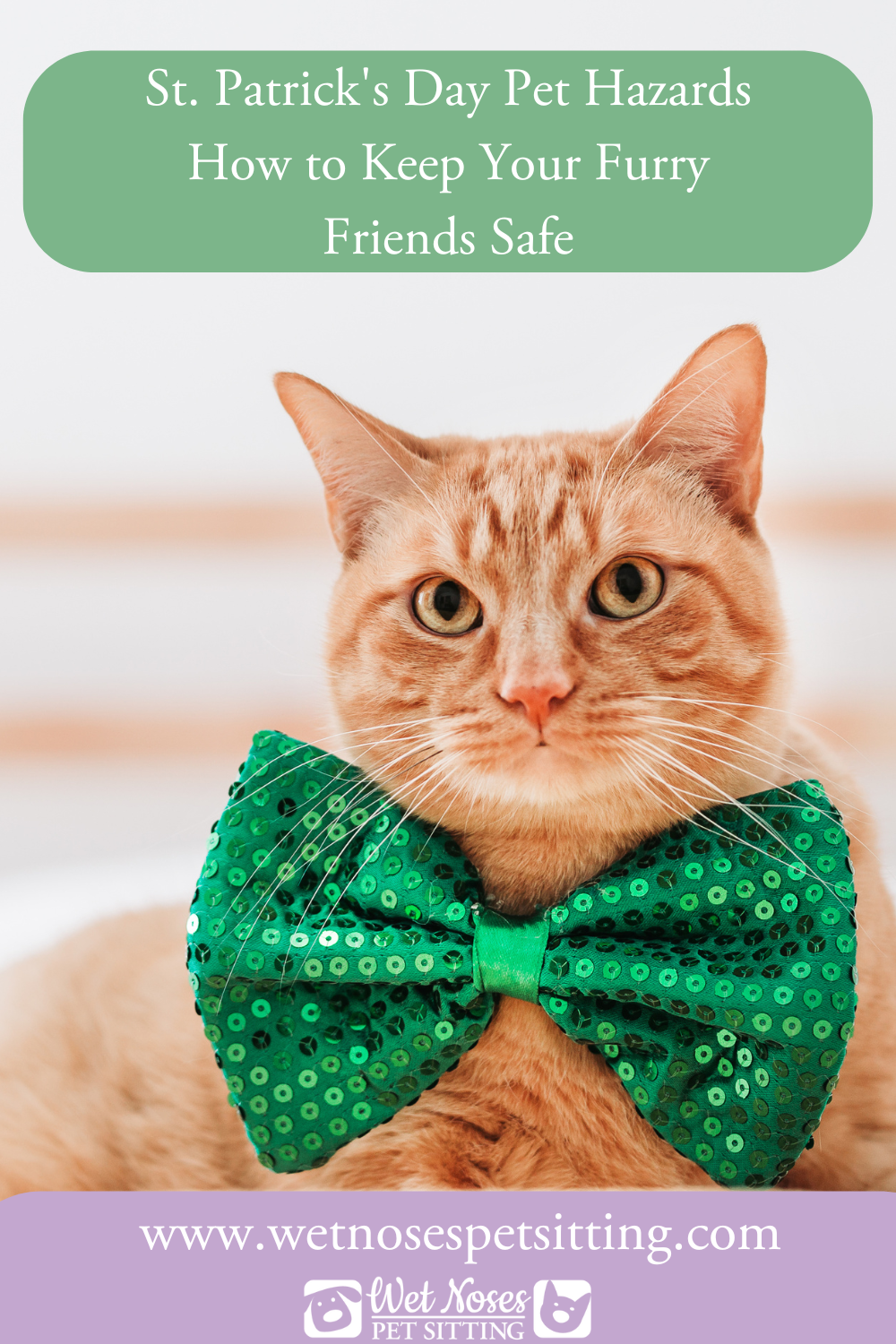
St. Patrick’s Day Pet Hazards

St. Patrick’s Day Pet Hazards: How to Keep Your Furry Friends Safe

St. Patrick’s Day is all about celebrating with parades, parties, food, and, of course, plenty of green! While it’s a fun and festive time for us, our furry friends may not be aware of the dangers lurking in the celebrations. From potentially harmful foods to dangerous decorations, St. Patrick’s Day can present a variety of hazards for pets.

As a responsible pet owner, it’s important to be aware of these risks and take the necessary precautions to ensure your pets stay safe. In this blog post, we’ll dive into some of the most common St. Patrick’s Day pet hazards and share tips on how to protect your pets during the festivities.

1. Toxic Foods and Treats

One of the biggest risks during St. Patrick’s Day is the food. Whether you’re cooking up a big meal or indulging in some holiday sweets, many of the foods we enjoy are toxic to pets. Here’s a look at some of the most common St. Patrick’s Day foods that can harm your furry friends:

  • Chocolate: Chocolate is a well-known toxin for dogs and cats. Even small amounts can cause vomiting, diarrhea, rapid breathing, seizures, and in extreme cases, death. Chocolate desserts and candy are often popular around St. Patrick’s Day, so keep them well out of your pet’s reach.

  • Alcohol: Many St. Patrick’s Day celebrations involve drinking, but alcohol can be very dangerous for pets. Dogs and cats are much more sensitive to alcohol than humans. Even a small amount can cause symptoms like vomiting, diarrhea, breathing difficulties, and in severe cases, coma or death. Keep drinks safely out of your pet’s reach.

  • Onions and Garlic: Many traditional dishes like corned beef and cabbage may contain onions or garlic, both of which are toxic to pets. These ingredients can cause gastrointestinal issues and damage red blood cells, leading to anemia. Avoid sharing these foods with your pets.

  • Fatty Foods: Rich, fatty foods like butter, gravy, and fatty cuts of meat can cause pancreatitis in pets. This condition is painful and can lead to serious health problems if not treated quickly. It’s best to stick to your pet’s regular food during holiday meals.

2. Hazardous Decorations

St. Patrick’s Day decorations, while fun and festive, can be a hazard to pets. Items like fake shamrocks, ribbons, streamers, and tinsel can be tempting for pets to chew on, but they can pose a choking hazard or cause blockages in their digestive system. Here’s what to look out for:

  • Tinsel and Streamers: These shiny decorations might look harmless, but if ingested, they can cause severe digestive issues and may even require surgery to remove. Keep them out of reach of pets and opt for safer decorations instead.

  • Shamrocks and Plants: While shamrocks are a symbol of St. Patrick’s Day, certain plants can be toxic to pets. For instance, while the true shamrock (Oxalis) is generally safe, some varieties of the plant can cause digestive upset. Also, be cautious with any festive plants you bring into the house, such as lilies, which are toxic to cats.

  • Glow Sticks: Glow sticks are popular for their vibrant green colors, but they contain chemicals that can be harmful to pets if they chew on them. If a pet bites into a glow stick, the chemicals inside can cause irritation, drooling, and discomfort. If you’re using glow sticks for your decorations, make sure they are out of your pet’s reach.

3. Stress from Noise and Crowds

St. Patrick’s Day parades, parties, and fireworks can be a lot of fun for humans, but they can be a source of stress and anxiety for pets. The loud noises and large crowds can overwhelm pets, especially those that are already prone to anxiety. Here are some things to keep in mind:

  • Loud Noises: Fireworks and parades with loud music or marching bands can startle and frighten pets. If your pet is scared by loud noises, it’s best to keep them inside in a quiet, secure room. You can also use calming music or a white noise machine to drown out the sounds.

  • Large Crowds: If you’re taking your pet to a parade or gathering, be aware of how they react to large crowds. Some pets may feel overwhelmed by the hustle and bustle, so it’s a good idea to keep them on a short leash or even consider leaving them at home for their safety and comfort.

4. Overindulgence in Treats

It’s easy to be tempted to give your pet some extra treats on holidays like St. Patrick’s Day, but overindulgence can lead to health problems. Giving your pet too many treats or letting them sample table scraps can lead to upset stomachs, vomiting, diarrhea, or weight gain.

If you want to give your pet a special treat for St. Patrick’s Day, make sure it’s something pet-friendly and safe, such as a dog-safe green biscuit or a catnip toy. Always check with your vet before introducing new foods into your pet’s diet.

5. Costumes and Accessories

St. Patrick’s Day is all about fun outfits and costumes, but not every pet enjoys wearing them. Some pets may find costumes uncomfortable or restrictive, leading to stress or even injury if they try to escape from the outfit. If you plan to dress up your pet for the occasion, follow these tips:

  • Ensure Comfort: Make sure the costume is well-fitted and doesn’t restrict your pet’s movement. Avoid anything that covers their eyes, ears, or mouth, as this can cause distress.
  • Safety First: Check for small parts or accessories (like buttons or beads) that could be chewed off and swallowed. Always supervise your pet if they’re wearing a costume.

6. Pet Identification

With all the excitement of St. Patrick’s Day events, there’s always the possibility your pet could slip out the door during a moment of distraction. Make sure your pet’s identification is up-to-date with a collar tag or microchip. If you’re traveling with your pet, ensure they’re safely secured in a pet carrier or on a leash to avoid getting lost.

Conclusion: Have a Safe and Festive St. Patrick’s Day

St. Patrick’s Day is a time for celebration, but it’s important to keep your pets’ health and safety top of mind. By being aware of the hazards that come with the holiday and taking the necessary precautions, you can enjoy the festivities while keeping your furry friends out of harm’s way.

Remember, the best way to celebrate St. Patrick’s Day with your pet is by providing them with a safe, fun, and stress-free environment. With a little planning and awareness, both you and your pets can have a fantastic holiday together. Happy St. Patrick’s Day to you and your furry companions!

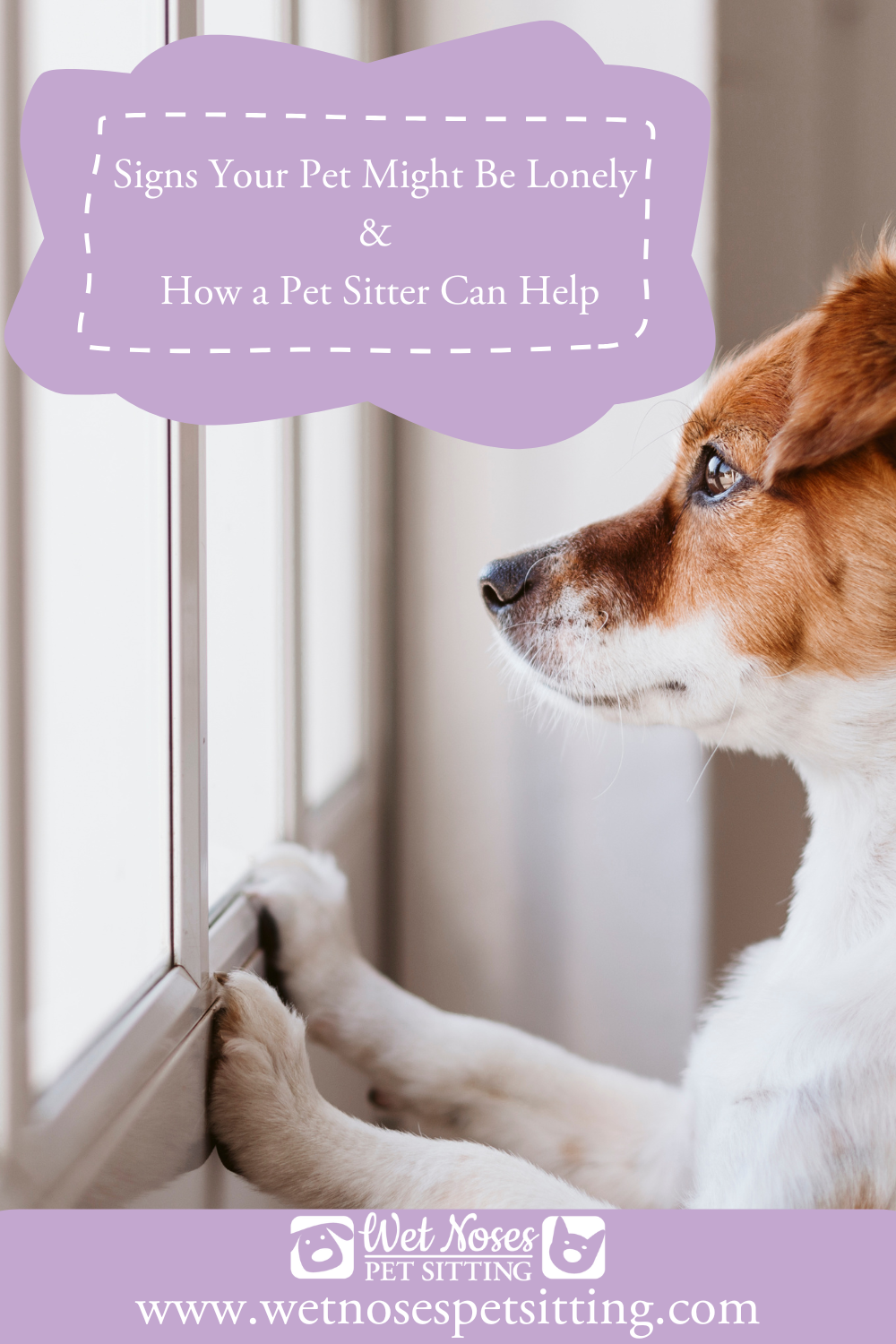
Signs Your Pet Might Be Lonely & How a Pet Sitter Can Help

Signs Your Pet Might Be Lonely & How a Pet Sitter Can Help

As pet owners, we know how much joy our furry friends bring into our lives. However, when our schedules get busier, or we need to be away from home for a while, our pets can feel the effects of our absence. Animals, just like humans, can experience loneliness. Understanding the signs that your pet might be lonely is essential to ensuring their well-being, and having the right support—like a pet sitter—can make all the difference.

Signs Your Pet Might Be Lonely
Excessive Whining or Howling If your dog or cat is suddenly more vocal when you’re not home, this can be a sign of loneliness. While some pets do vocalize naturally, constant whining, crying, or howling, especially when they notice you’re leaving, can indicate that they are seeking your attention and companionship.

Destructive Behavior

Lonely pets often act out when they’re feeling isolated. Dogs might chew on furniture, shoes, or even your personal items, while cats could scratch furniture or knock things over. This destructive behavior is their way of dealing with anxiety or boredom from being left alone.

Excessive Sleeping

While it’s normal for pets to sleep a lot, an unusually long nap can be a sign that your pet is feeling down. When pets are lonely, they may retreat into their sleeping space to avoid feeling sad or stressed. If they seem to sleep excessively during the day or night, it could be due to isolation.

Loss of Appetite

A sudden loss of interest in food can indicate that your pet is feeling emotionally down. Stress and loneliness can affect their eating habits. They might not eat as much or show a lack of enthusiasm about their meals when they’re feeling lonely.

Changes in Behavior

Pets that are normally affectionate might suddenly become distant or, on the flip side, excessively clingy when you’re around. Loneliness can cause them to act out in ways that are uncharacteristic of their normal behavior.

Lack of Energy or Interest in Play

If your pet is normally playful but suddenly shows no interest in activities, toys, or walks, this could be a clear sign of loneliness. Without interaction or companionship, pets can become apathetic and disinterested in things they once loved.

How a Pet Sitter Can Help
Hiring a pet sitter can be a game-changer for your lonely pet. Here’s how a professional pet sitter can alleviate their feelings of isolation:

Regular Interaction

Pet sitters provide consistent companionship when you’re not around. Whether they’re spending time playing, cuddling, or simply talking to your pet, the regular attention will help reduce loneliness and anxiety. Your pet will appreciate the human interaction, especially if you’re gone for an extended period.

Maintaining Their Routine

Pets thrive on routine. A pet sitter can ensure your pet continues to follow their usual schedule for meals, walks, and playtime, helping maintain a sense of normalcy. Keeping these routines intact reduces stress and makes them feel more secure.

Exercise and Mental Stimulation

Loneliness often leads to boredom, which can exacerbate destructive behavior. A pet sitter can take your dog for walks or play with your cat, providing much-needed physical exercise and mental stimulation. This engagement helps keep their minds sharp and their spirits up.

Reducing Separation Anxiety

If your pet suffers from separation anxiety, a pet sitter can ease the transition by being present when you’re not. With a sitter checking in regularly, your pet may feel more comfortable in your absence, as they learn that they’re not alone and that someone they trust is there to look after them.

Increased Comfort for You and Your Pet

Knowing that your pet is being cared for by a trusted professional can ease your own anxiety when you’re away. Whether it’s for a short trip or a long workday, you can rest easy knowing your pet is in capable hands. This not only benefits your pet’s emotional health but also strengthens your bond with them when you return.

Emergency Care

In cases where your pet needs medical attention or extra care, a pet sitter can provide immediate help, making sure your pet is safe and comfortable. Their presence can be particularly valuable if your pet requires medication or special care that a neighbor or friend may not be able to provide.

Final Thoughts
Loneliness can significantly affect a pet’s mental and physical well-being, so it’s important to recognize the signs early and take steps to alleviate their distress. If you notice your pet exhibiting signs of loneliness, hiring a professional pet sitter can help provide the companionship, care, and structure they need to thrive in your absence.

Whether you’re away for a few hours, a weekend, or longer, a pet sitter can make all the difference in ensuring that your pet feels loved, happy, and safe until you return. After all, your pet’s happiness is worth the effort.

Here are some other good reads about pet lonliness, https://wetnosespetsitting.com/do-cats-get-lonely-when-you-work-all-day-understanding-feline-independence/


Paw-sitively Pawesome ways to Celebrate Valentine’s Day with Your Dog

Valentine’s Day is all about celebrating love, and who better to share the love with than your loyal, furry companion? Whether you’re single or spending the day with a special someone, your dog deserves to be pampered and included in the festivities. Here are 7 fun and heartwarming activities you can enjoy with your pup this Valentine’s Day!

1. DIY Doggie Valentine’s Day Treats

Nothing says love like homemade treats! Surprise your dog with a special Valentine’s Day snack by whipping up some healthy and delicious dog-friendly treats. Ingredients like peanut butter, pumpkin, and oats are great for your furry friend’s health. You can even shape them like hearts for a cute and festive touch.

Bonus tip: Share the fun by baking together! Invite your pup to be your sous-chef while you mix and bake. Just make sure to have their favorite ingredients handy for a tail-wagging good time.

2. Go on a Scenic Valentine’s Day Walk

There’s nothing like a peaceful walk to strengthen the bond between you and your dog. On Valentine’s Day, take your pup to a park or nature trail and enjoy some quality time together. Choose a scenic route where you can both enjoy the sights, sounds, and smells of nature. Take along a camera and snap some photos of your dog in action—it’ll make for adorable memories!

3. Host a “Paw-ty” for Your Pup

Who says Valentine’s Day is just for humans? Throw a doggy “paw-ty” and invite your dog’s favorite canine friends. Set up a mini playdate at your house or a pet-friendly park with dog-safe treats, toys, and fun games. You can even hand out Valentine’s-themed dog bandanas for the pups to wear during their playtime.

Tip: Play some fun dog games like “fetch the heart-shaped toy” or organize a puppy race for a competitive yet lighthearted Valentine’s Day celebration.

4. Cuddle Time and Movie Marathon

Valentine’s Day is the perfect excuse for a relaxing night in. Grab your coziest blanket, your favorite snacks (for you, not your dog!), and settle in for a dog-friendly movie marathon. Watch cute films like Lady and the Tramp or 101 Dalmatians and enjoy snuggling with your pup.

Bonus points if you share some belly rubs and let your dog enjoy a special snack during the movie. It’s the ultimate bonding experience!

5. Pamper Your Dog with a Spa Day

Treat your dog to a Valentine’s Day spa day! You can create a relaxing experience right at home with a gentle bath, brushing, and a nice paw massage. Afterward, give your pup a fresh and fluffy new look with a dog-friendly grooming session. Not only will your dog feel loved, but they’ll look their best for the day ahead!

Pro Tip: Use pet-friendly, lavender-scented products to make the experience extra soothing for both of you.

6. Take Valentine’s Day Photos Together

Capture the love with a photo shoot to commemorate Valentine’s Day. Whether it’s a simple selfie or a professionally styled session, it’s always fun to snap some pictures with your dog. Dress up in red or pink, add a few props like heart-shaped balloons or a “Be Mine” sign, and get ready for some adorable photos that you’ll cherish forever.

Tip: If your dog isn’t too fond of posing, try capturing moments while you’re engaging in other activities like playing, cuddling, or sharing treats.

7. Make a Donation in Your Dog’s Name

This Valentine’s Day, give back to animals in need by making a donation to a local animal shelter or charity. Whether it’s food, toys, or monetary contributions, it’s a wonderful way to spread love and compassion. You can also volunteer your time at a shelter or foster a pet for the day to make sure other pups get their own dose of love.

You and your dog can share your good fortune by helping those less fortunate!


Valentine’s Day isn’t just for couples—it’s an opportunity to celebrate all forms of love, including the unconditional love we share with our pets. No matter which activity you choose, your dog will undoubtedly appreciate the time and attention you give them. So, grab your dog’s leash, treats, and maybe a heart-shaped toy, and make this Valentine’s Day a memorable one for both you and your four-legged best friend! ❤️????

Happy Valentine’s Day!

Is Your Dog Suffering from Allergies? A Pet Parent’s Guide to Spotting the Signs

Allergies in dogsAs much as we love our furry friends, they don’t always have the words to tell us when something’s wrong. One common issue dogs face is allergies, which can affect their skin, digestion, or even their respiratory system. Just like humans, dogs can develop allergic reactions to various things, and understanding how to spot these allergies is crucial for their health and comfort. So, how can you tell if your dog has an allergy? Let’s dive into the signs, causes, and what you can do about it!
1. Skin Irritations and Itchy Skin

One of the most common signs of allergies in dogs is itching. If your dog is constantly scratching, biting, or licking themselves—especially in areas like their paws, face, ears, or belly—it could be a sign of an allergic reaction. Allergies to environmental factors, like pollen, dust mites, or mold, as well as food allergies, often manifest as skin irritations. You may notice:

  • Red or inflamed skin
  • Hot spots (sore, moist patches of skin)
  • Hair loss in certain areas
  • Excessive scratching or biting

2. Ear Infections and Head Shaking

If your dog is frequently shaking their head or scratching at their ears, it could be a sign of an allergy affecting their ears. Allergies, especially those triggered by food or environmental factors, can cause inflammation in the ears, leading to infections. Common symptoms of an ear infection include:

  • Dark, smelly discharge from the ears
  • Redness or swelling in the ear canal
  • Increased ear scratching or head shaking

3. Gastrointestinal Issues (Vomiting, Diarrhea)

Food allergies can manifest in digestive issues, such as vomiting, diarrhea, or even excessive gas. If your dog is suddenly experiencing upset stomachs or irregular bowel movements, an allergic reaction to something they’re eating could be the cause. Keep track of any new food you’ve introduced and see if the symptoms correlate with certain meals or treats.

4. Respiratory Issues (Coughing, Sneezing)

In some cases, allergies can also affect your dog’s respiratory system. Environmental allergens like pollen or dust can cause your dog to sneeze, cough, or even develop watery eyes. Watch for:

  • Sneezing fits
  • Coughing
  • Nasal discharge or watery eyes

5. Changes in Behavior or Lethargy

Allergies can also make dogs feel generally unwell. If your dog is acting more tired than usual or seems off, it could be due to the discomfort of an allergic reaction. They may also become irritable or anxious if they’re constantly itchy or experiencing pain.

6. Frequent Paw Licking or Chewing

Dogs that are allergic to something, especially environmental allergens, may lick or chew at their paws to alleviate irritation. If your dog’s paws seem excessively wet or red from constant licking, it’s a good indicator they may be reacting to an allergen.

Common Causes of Dog Allergies

Now that we know the signs, let’s look at the most common allergens that affect dogs:

  • Food Allergies: Dogs can be allergic to ingredients like beef, chicken, grains, or dairy. Food allergies often cause gastrointestinal issues or skin reactions.
  • Environmental Allergies: Just like humans, dogs can suffer from seasonal allergies caused by pollen, grass, or trees. Dust mites, mold, and even certain chemicals in cleaning products can trigger allergic reactions.
  • Flea Allergies: Some dogs are allergic to flea saliva, leading to intense itching and skin infections. This is known as flea allergy dermatitis.
  • Contact Allergies: Certain materials or chemicals, such as certain types of fabric or cleaning products, can cause allergic reactions when your dog comes into contact with them.

What to Do If You Suspect an Allergy

If you suspect your dog has an allergy, it’s always a good idea to consult with your veterinarian. They can help diagnose the cause of the allergy, whether through skin tests, blood tests, or an elimination diet. In the meantime, here are some things you can do to alleviate your dog’s symptoms:

  • Avoid Known Triggers: If you suspect your dog’s allergy is caused by a specific food or environmental allergen, try to eliminate it from their diet or environment.
  • Medications: Your vet may prescribe antihistamines, steroids, or topical treatments to help manage your dog’s symptoms.
  • Flea Control: If fleas are the issue, work with your vet to put a flea prevention plan in place.
  • Regular Bathing: Giving your dog regular baths with a gentle, hypoallergenic dog shampoo can help soothe irritated skin and wash away allergens.

Conclusion

Allergies in dogs can be a tricky thing to navigate, but with careful observation and the right veterinary care, your furry friend can get back to feeling their best. Pay attention to the signs like itching, ear infections, gastrointestinal issues, or respiratory problems, and don’t hesitate to reach out to your vet for advice and treatment. Your dog’s comfort and health are worth the effort!


Keeping Tails Wagging: Protecting your pets during New Years Eve

Protecting Your Pets During New Year’s Eve Festivities

As the clock ticks down to midnight on New Year’s Eve, many of us look forward to lively celebrations filled with laughter, fireworks, and cheer. However, while these festivities bring joy to us, they can pose serious dangers to our furry friends. To ensure your pets stay safe and comfortable, it’s essential to be aware of the risks and take proactive measures.

Fireworks: A Source of Fear and Stress

The loud booms and bright flashes of fireworks can be terrifying for pets, particularly dogs and cats. Many animals have more sensitive hearing than humans, making the sounds even more distressing. This can lead to:

  • Panic and escape attempts: Frightened pets may try to run away, putting them at risk of getting lost or injured.
  • Injury or damage: Stressed animals may scratch doors, chew furniture, or harm themselves in an attempt to find safety.
  • Health issues: Elevated stress levels can trigger symptoms like drooling, shaking, or even heart problems in sensitive animals.

Keep pets indoors during fireworks displays, provide a safe and quiet space for them to retreat, and consider playing calming music to drown out the noise.

Toxic Foods and Drinks

Holiday parties often feature a variety of foods and drinks that can be harmful or even deadly to pets. These include:

  • Alcohol: Even small amounts can cause vomiting, diarrhea, coordination problems, and in severe cases, respiratory failure.
  • Chocolate and sweets: Many desserts contain chocolate or xylitol, both of which are highly toxic to dogs and cats.
  • Fatty or spicy foods: These can upset your pet’s stomach and may lead to pancreatitis.

Ensure all food and drinks are kept out of reach of your pets, and inform guests not to feed them.

Party Decorations and Hazards

Decorations like balloons, streamers, and confetti can look like toys to curious pets, but they can be dangerous if ingested or chewed. Broken glassware or other party-related debris can also pose risks. Monitor your pets closely and clean up promptly after the party to remove any hazards.

Increased Risk of Escape

With guests coming and going, doors may be left open, giving pets an opportunity to slip outside unnoticed. The excitement and unfamiliar faces may also cause them to feel overwhelmed and attempt to flee. Use baby gates or keep pets in a secure room away from the main party area. Ensure your pets are microchipped and wearing identification tags in case they do escape.

Alcohol and Fireworks Residue

After the celebrations, fireworks debris and spilled alcohol can linger in outdoor areas. Pets may ingest or come into contact with these harmful substances while exploring. Thoroughly clean up outdoor areas after the festivities to eliminate potential dangers.

Your pets depend on you to keep them safe and comfortable, especially during times of heightened activity like New Year’s Eve. By planning ahead and taking a few simple precautions, you can help your furry companions stay happy and stress-free as you ring in the new year. Let’s make this New Year’s Eve memorable for all the right reasons—for both you and your beloved pets.

Holiday Hazards- Keeping Your Pets Safe and Jolly This Season

The holiday season is a time of joy and celebration, but, it can also bring hidden dangers for our furry family members. With a little knowledge and preparation, you can ensure your pets stay safe and happy throughout the festivities. Here are some of the most common holiday hazards to be aware of.
Dangerous Foods
Holiday meals fill the air with irresistible aromas, but some festive treats can be dangerous, or even deadly, for our furry friends. Chocolate, for example, contains theobromine, which is toxic to both dogs and cats. Rich, fatty foods like turkey skin and gravy might seem harmless but can lead to pancreatitis. Grapes and raisins are a big no because they can cause kidney failure in dogs. Watch out for xylitol, a common sugar substitute in baked goods and candies, which can trigger severe hypoglycemia or liver failure in pets. To keep your pets safe, ensure all food is out of their reach and kindly remind guests not to sneak them table scraps
Holiday Decorations
Festive decorations bring warmth and charm to your home during the holiday season, but they can also present hidden dangers to curious pets. Tinsel, for example, is particularly enticing to cats but can lead to severe intestinal blockages if ingested. Christmas trees, while beautiful, should be securely anchored to prevent them from toppling over if pets climb or bump into them. Additionally, avoid using water additives in the tree stand, as these can be toxic if consumed. Glass ornaments, though elegant, pose a risk of cuts or ingestion if they shatter. Similarly, lit candles can be hazardous; a wagging tail or curious paw can easily knock them over, potentially causing burns or even fires. To keep your pets safe, consider using pet-friendly decorations and supervise them around holiday decor.
Plants and Flowers
Holiday plants add beauty and tradition to festive decor, but many can be harmful to pets if ingested. Poinsettias, while not highly toxic, can still cause mild irritation to the mouth and stomach. Holly and mistletoe present more serious risks, potentially leading to vomiting, diarrhea, and even cardiovascular issues. Lilies are particularly dangerous for cats, as ingestion can result in severe kidney failure. To keep your pets safe, consider using artificial plants or placing real ones in locations that are completely out of your pets’ reach.
Wrapping Supplies
Gift wrapping is a beloved holiday tradition, but it can pose hidden dangers to pets if precautions aren’t taken. Items like ribbon and string, much like tinsel, can be highly appealing but may cause serious intestinal blockages if swallowed. Adhesives such as tape and glue can also be harmful when ingested, posing risks to a pet’s digestive system. Small toys or batteries, often included with gifts, can be choking hazards or cause internal injuries if chewed or swallowed. To keep your pets safe, promptly clean up all wrapping materials after gifts are opened.
Final Thoughts
The holiday season is a time of joy and celebration for the entire household, including your beloved pets. By staying mindful of potential hazards and taking a few simple precautions, you can create a safe and festive environment for your furry companions.
If you have any questions or concerns about your pet’s safety during the holidays, don’t hesitate to consult your veterinarian. They are your most reliable resource for ensuring your pet’s health and well-being.
Wishing you and your pets a happy, healthy, and stress-free holiday season!

If you don’t have a veterinarian, here is some tips and tricks on how to find one you love! https://wetnosespetsitting.com/how-to-pick-a-vet/

For more information on this topic, here is a great resource: https://www.avma.org/resources-tools/pet-owners/petcare/holiday-pet-safety

Best Pet Stores in Greeley

You love your animals! And providing the best food and care is important to you. Of course, you are looking for the best pet store that provides you with quality products, excellent service, and competitive prices!

We are going to investigate many of those that handle everything having to do with dogs and cats. However, I am not forgetting that many of you have a more exotic or rare animal and you care about enriching their lives too.

If you have a bird, rabbit, turtle, snake, or other interesting animal in your family, finding everything that they need for them to thrive can be time-consuming. So the following should help you gather as much information in order for you to make a well-informed decision for your pet.


Wild Things Exotic Pets

This is a pet store that educates prospective pet parents on snakes, lizards, tortoises, and turtles. They also have everything you could want for arachnids, insects, frogs, and amphibians. Wild Things Exotic Pets has an exemplary presence throughout Northern Colorado, and even into the surrounding states, as they bring their tremendous knowledge and expertise to the expos they take part in.

You will find everything that you’ll need for your new friend, from bedding, cages, and cleaning supplies. For specialized food and enrichment toys, that your new snake, lizard, or turtle may need, Wild Things Exotic Pets has got you covered!

Wild Things Exotic Pets also has an educational program to help the new parent understand the specific requirements of their exotic pet. Additionally, if you have a budding non-furry animal enthusiast they have birthday party packages that are sure to please!


Bentley’s Pet Stuff

Wholesome pet foods, adoption events, and loyalty programs are just a few of the great offerings at Bentley’s Pet Stuff in Greeley. They also have a qualified grooming service and provide a self-wash center if you are so inclined to do it yourself!

An added benefit is the mixology rotational pet feeding program that will help your pets live happier lives. The rotation of vitamins and supplements as well as proteins and food brands is one way of maintaining your pet’s optimal health.

Take a moment to look at their concept that foods have a cool, neutral, or hot effect on your pet’s health! The way that foods can interact with your particular animal can benefit them once you have identified what works best for them.

They are happy to guide pet parents who are looking to provide their dog or cat with a variety of fresh foods and vegetables.

Don’t worry, they have your cat covered too. Cat scratchers, cat towers, soft beds, dog harnesses, leashes, and toys are just a small part of what they have to offer.

Brands like Ark Naturals, Nulo, Fussie Cat, and Inception are just a few of the many excellent food brands available to you!


Kaylor of Colorado

Since 1976 Kaylor has been sourcing the majority of their natural seeds, fruits, vegetables, and nuts from local farmers and then manufacturing it right here in Greeley, using clean quality ingredients.

These ultra-premium foods provide the right nutrition for your birds such as Macaw, Parrot, Finch, Canary, Conure, and more! You will find an excellent selection of Guinea Pig, Rabbit, and rodent feed that will keep your pocket pets healthy as well!

Sweet Harvest, McBrides, Rainforest Exotics, and Country Blends are all created for the specific needs of your bird or birds.

You can feel confident that your bird, rabbit, or guinea pig will thrive with any of the great blends that Kaylor Of Colorado makes.


Petsmart of Greeley

This is a larger store that will carry pretty much everything you are looking to purchase for any type of pet you may have. There are veterinarians, a pharmacy, groomers, and multiple sections for dogs, cats, birds, fish, reptiles, and small animals like rats, guinea pigs etc.

You will find a large selection of many name-brand foods and a wide variety of leashes, collars, and harnesses.

Cat towers, toys, and catnip will keep your kitty happy and mentally stimulated.

They also carry vitamins, supplements, and even pheromones for cats and dogs to help manage any stress issues you may encounter.

When you are getting a new pet it’s always best to learn as much as possible about the animal and their care. At Petsmart, the learning center helps provide the knowledge you’ll need in order to provide the best possible care for your pet.


FAQ’S


Q: Do all pet stores carry everything I may need for my reptile?

A: Most pet stores carry a little of everything, but if you have a specialized pet it may be best to look for one that can offer you exactly what your pet needs.


Q: I want to get a rabbit, but I don’t know anything about them.

A: Take the time to research how to care for a rabbit and to determine if they are a right fit for you and your family. You’ll find the larger pet stores have learning centers that may be of value to you. Or you could benefit from the one-on-one attention that a smaller pet store can offer.


Q: I have several large parrots and a few smaller birds, can I just feed them the same thing?

A: Each bird, whether small or large, has very different dietary requirements. So it’s vital that you check in with a knowledgeable person to understand what to feed according to that bird’s nutritional needs, and in what quantities. Specialty pet stores will be able to provide this information for you.

Conclusion

In conclusion, there are some really great pet stores in Greeley! Should you prefer a small independent pet store that specializes in specific blends for exotics, you can feel confident that your pet will be getting the best of what Greeley has to offer.

Additionally, the larger pet stores in the area can provide you with a wide variety of products to choose from, so that you can meet all your pet’s needs and give them a long, happy, and healthy life!

5 Things To Do On The Weekend in Greeley

5 Things To Do On The Weekend in Greeley

In need of some fun activities to do in Greeley, Colorado this weekend? Greeley is a growing city that has a lot of unique weekend activities to offer. Here’s a list of 5 things to do this weekend, with all of them being family-friendly– and some being dog-friendly too!

1. Walking The Poudre River Trail

The Poudre River Trail is a scenic trail that runs between Greeley and Windsor. This beautiful trail is completely paved and follows a winding river known as the Cache la Poudre River. This trail offers a scenic journey through wetland meadows, cottonwood trees, and farmland. This trail is perfect for those looking for a walk or jog with their dog, without the noise of the city.

Visit the Poudre River Trails website for the trail map, trail etiquette, conditions, and more.

2.  Ice Skate at the Ice Haus

Ice skating is a fun and unique activity to do over the weekend, regardless of the season. The Greeley Ice Haus, located in Downtown Greeley, has a public ice rink for skating during the week and weekend. If you skate during the evening on a Friday or Saturday you can experience ‘cosmic skating,’ which is a lights-out rink except for a disco ball and lasers flashing on the ice.

For more information on public skating hours and events, visit the Greeley Ice Haus Calendar.

3. Watch a movie at the historic Kress Cinema and Lounge

Also located downtown is the Kress Cinema, which is a renovated theatre that was originally built in 1929! This theatre offers a unique historic ambiance along with a full-service bar and restaurant. You can enjoy your snacks, dinner, and drinks during the movie, or in their lounge area. All in all, the Kress is an elevated cinema experience and is a favorite weekend spot for Greeley locals.

Check out The Kress Cinema for more information and showtimes.

4. Go downtown to grab a bite to eat

Greeley has a variety of fun spots to grab a bite to eat or enjoy some drinks, especially in the downtown area. Luckily, a plethora of establishments, including restaurants and bars, have outdoor seating that is dog-friendly!

Dog-Friendly Establishments in Greeley

5. Check out the Centennial Village Museum

Greeley is rich in history. Visit the Centennial Village Museum and go back in time to learn about life on the prairie and the story of Western settlers who lived in the Colorado high plains. The Centennial Village Museum is special because it provides a ‘living experience’ taking you back to the past, including costumed actors, live farm animals, and acres of landscaped land. Depending on the time of year, there are different events and activities for the whole family. This museum is one you definitely will want to check out!

For more information, check out the Centennial Village Museum.


Greeley is a growing city with lots to see and do. Get out this weekend and take advantage of all the activities Greeley has to offer!