FIP in Cats: New Research from Colorado State University

Tabby cat with text promoting new Colorado State University research on FIP in cats.

FIP in Cats: New Research from Colorado State University
For years, Feline Infectious Peritonitis (FIP) has been one of the most difficult diseases for veterinarians to diagnose. Even as treatments have improved, confirming that a cat actually has FIP remains a major challenge.

Now, researchers at Colorado State University have created a new diagnostic test that could help veterinarians identify FIP more accurately, giving cats a better chance of receiving the right treatment sooner.

What Is FIP?

FIP is a serious disease that develops when the feline coronavirus mutates inside a cat’s body. While many cats encounter feline coronavirus during their lifetime, only a small percentage go on to develop FIP.

The disease most commonly affects kittens and young cats. Without treatment, FIP is almost always fatal.

Common signs of FIP include:

  • Persistent fever
  • Weight loss
  • Loss of appetite
  • Lethargy
  • A swollen abdomen
  • Difficulty breathing
  • Eye or neurological changes

However, many other illnesses can cause these same symptoms, which makes FIP especially difficult to diagnose.

Colorado State University’s New Diagnostic Test

A team of researchers led by Dr. Samantha Evans, Dr. Kelly Santangelo, and Dr. Gregg Dean at Colorado State University developed the new diagnostic test.

The team created an immunofluorescent assay that looks for FIP-specific antibodies inside infected cells.

During a clinical study involving 84 companion cats, the test correctly identified FIP in approximately 78% of cases. In addition, researchers found that it worked alongside existing diagnostic methods, helping identify some cases that other tests missed.

Rather than replacing current testing, veterinarians can use this new tool alongside other diagnostic methods to make more informed decisions for cats with suspected FIP.

Why This Matters

In recent years, antiviral medications have dramatically improved the outlook for cats with FIP. In fact, some treatments succeed in as many as 85% of cases. Because of these advances, an early and accurate diagnosis has become more important than ever.

A better diagnostic test can help:

  • Diagnose cats with FIP sooner.
  • Reduce unnecessary treatment for cats that have another illness.
  • Help pet owners avoid paying for medications their cat doesn’t need.
  • Allow veterinarians to identify the true cause of a cat’s illness more quickly.

Looking Ahead

Colorado State University’s Veterinary Diagnostic Laboratories plans to offer the new test as part of its commercial diagnostic services, giving veterinarians another valuable tool when evaluating cats with suspected FIP.

Meanwhile, Colorado State University continues to lead FIP research through ongoing studies that explore new treatments, improved diagnostic methods, and ways to make therapy even more effective.

Although researchers still have more work to do, this new diagnostic test represents another encouraging step forward for cats and the people who love them.

If your cat is showing signs of illness, don’t wait to schedule a veterinary appointment. Early evaluation is one of the best ways to ensure your cat receives the care they need.

For more pet health news and educational resources, visit Wet Noses Pet Sitting.
The Feline Grimace Scale

The Feline Grimace Scale: How to Tell If Your Cat Is in Pain

Cats are incredibly skilled at hiding discomfort. In the wild, showing pain can make an animal vulnerable, so even our domesticated cats instinctively mask it. This can make it difficult for pet owners to recognize when something isn’t right.

That’s where the Feline Grimace Scale comes in. It’s a research-backed method that helps identify pain in cats based on subtle changes in their facial expressions.

What Is the Feline Grimace Scale?

The Feline Grimace Scale (FGS) is a scientific tool developed by veterinary researchers to assess acute pain in cats. Instead of relying on obvious signs like limping or vocalizing (which cats often suppress), it focuses on small, measurable changes in facial features.

While it’s primarily used in veterinary and research settings, it can also help pet owners become more aware of potential signs of discomfort.

The 5 Key Facial Indicators of Pain in Cats

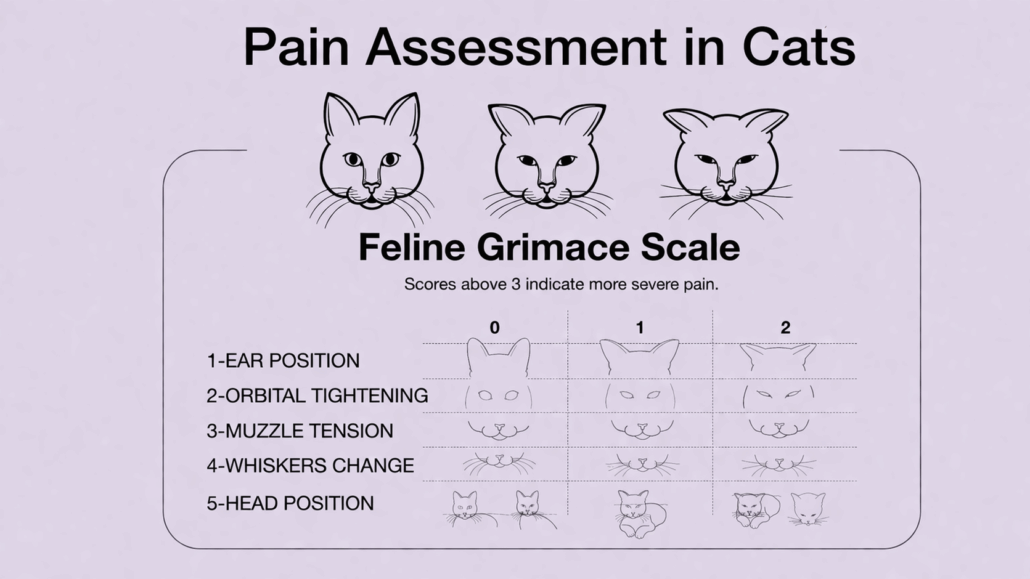
The Feline Grimace Scale evaluates five specific areas of a cat’s face. Each one can signal pain when it differs from the cat’s normal, relaxed state.

1. Ears

  • Normal: Upright and facing forward
  • Pain indicator: Rotated outward or flattened to the sides

2. Eyes (Orbital Tightening)

  • Normal: Open and relaxed
  • Pain indicator: Squinting or partially closed eyes

3. Muzzle Tension

  • Normal: Soft, rounded appearance
  • Pain indicator: Flattened, tense, or tightened muzzle

4. Whiskers

  • Normal: Relaxed and slightly curved
  • Pain indicator: Pulled forward, straightened, or tightly grouped

5. Head Position

  • Normal: Held upright
  • Pain indicator: Lowered or tucked downward

How the Scale Works

Each of the five areas is scored based on how much it differs from normal:

  • 0 = Normal
  • 1 = Moderate change
  • 2 = Obvious change

The scores are then added together. In veterinary settings, higher scores indicate a greater likelihood that the cat is experiencing pain and may need medical attention.

Why This Matters for Pet Owners

The Feline Grimace Scale is especially valuable because:

  • Cats often don’t cry out when they’re in pain
  • Behavioral changes can be subtle or easy to miss
  • Early detection can prevent more serious health issues

By learning what your cat’s “normal” face looks like, you’ll be better equipped to notice when something changes.

Other Signs Your Cat May Be in Pain

Facial expressions are just one piece of the puzzle. You may also notice:

  • Hiding more than usual
  • Decreased appetite
  • Changes in grooming habits
  • Reduced activity or reluctance to move
  • Increased irritability or withdrawal

Important Reminder

While the Feline Grimace Scale is a helpful tool, it’s not a substitute for veterinary care. If you suspect your cat is in pain, it’s always best to consult your veterinarian.

Final Thoughts

Your cat may not be able to tell you when something hurts, but their face can.

Understanding the Feline Grimace Scale can help you recognize subtle signs of discomfort early, allowing you to take action and keep your cat healthy, comfortable and cared for.

For more pet care tips and educational content, visit Wet Noses Pet Sitting.

Inside Loveland’s Cat Cafe

A tabby cat standing on a small table with a tray holding two colorful coffee mugs and a cup and saucer, with text reading “Inside Loveland’s Cat Cafe” and the Wet Noses Pet Sitting logo.

Inside Loveland’s Cat Cafe

If you’re a cat lover in Northern Colorado, there’s one local spot that brings together cozy vibes, community connection and a meaningful mission: NoCo Cat Cafe.

As Northern Colorado’s first cat cafe, NoCo Cat Cafe offers a unique experience where visitors can relax with a cup of coffee, learn more about cat care and spend time with adoptable cats in a calm, welcoming space. It’s more than just a cafe. It’s a place where second chances begin.

A Space to Relax, Learn and Adopt

NoCo Cat Cafe is built around three simple goals: relax, educate and adopt.

Guests are invited to slow down, unplug and enjoy time with friendly cats in a laid-back environment. The cafe partners with local nonprofits to help cats find loving homes, while also providing education and resources for future pet parents.

All of the cats at the cafe are healthy, spayed or neutered, vaccinated and ready for adoption. Visitors can interact with them, learn their personalities and even begin the adoption process once they’ve found the right match.

This thoughtful approach helps ensure that every adoption is a good fit, for both the cat and their future family.

What Is a Cat Cafe?

A cat cafe combines the comfort of a traditional cafe with the joy of spending time around cats. At NoCo Cat Cafe, the cats live on-site in a carefully managed space designed for their comfort and well-being.

While guests enjoy coffee, tea and light snacks, they also get the opportunity to play, relax and connect with cats who are looking for forever homes. Admission fees help support daily care, veterinary needs and overall operations.

This model creates a win-win: visitors enjoy a memorable experience, and cats receive the care and visibility they need to be adopted.

Even if you are not currently looking to adopt, a visit to the cafe offers a chance to slow down, de-stress and spend time with animals in a quiet, welcoming setting. For many guests, it becomes a favorite place to recharge, study, meet a friend, or take a break from a busy schedule.

Is a Cat Right for You?

Visiting a cat cafe is a great way to explore whether adopting a cat fits your lifestyle. Before bringing one home, it’s important to consider a few key factors.

Your Schedule

Cats are more independent than many pets, but they still need daily care, playtime and attention. If you work long hours or travel often, it’s helpful to think about how you’ll manage feeding, litter care and companionship.

Your Living Space

Cats can thrive in apartments and smaller homes, as long as they have enrichment like scratching posts, climbing areas and cozy resting spots. Make sure your home allows pets and has room for essential supplies.

Your Budget

From food and litter to vet visits and supplies, cat ownership comes with ongoing costs. Planning ahead helps ensure you can provide consistent, high-quality care.

Long-Term Commitment

Cats often live 15 to 20 years or more. Adoption is a long-term responsibility that spans many stages of life.

Your Energy Level

Some cats are playful and social, while others prefer quiet companionship. Spending time at a cat cafe helps you discover which personalities fit best with your lifestyle.

Planning Your Visit

If you’re thinking about visiting NoCo Cat Cafe, here are a few helpful details to know:

  • Admission: $12 per person
  • Hours: Tuesday to Saturday, 12 PM to 6 PM (Closed Sundays and Mondays)
  • Reservations: Recommended on weekends and holidays but walk-ins are accepted
  • Time Limit: One hour during busy periods
  • Menu: Dark Heart Coffee Bar coffee, teas, refrigerated drinks and light snacks

Child Policy

To maintain a calm environment for the cats:

  • Children must be at least 6 years old
  • Ages 6 to 12 require close adult supervision
  • No running, yelling, or chasing cats
  • Toys must be used appropriately

These guidelines help ensure the space stays peaceful and safe for both guests and cats.

Supporting Pet Parents Every Step of the Way

Adopting a new pet is exciting, but it also comes with responsibility. From establishing routines to planning for vacations, reliable care plays a big role in helping pets thrive.

That’s where Wet Noses Pet Sitting comes in. As a trusted local pet care provider, Wet Noses supports new and experienced pet parents with professional, in-home pet sitting and personalized care.

Whether it’s checking in on your cat while you’re at work, providing overnight care during trips, or helping maintain routines during busy weeks, having dependable, trusted support makes the transition into pet ownership smoother and more rewarding for everyone involved.

A Local Gem With a Big Heart

NoCo Cat Cafe is more than a place to grab a coffee. It’s a community hub dedicated to helping cats find loving homes while giving visitors a chance to learn, connect and unwind.

Whether you’re seriously considering adoption or simply looking for a relaxing afternoon with furry friends, this local gem offers an experience that makes a real difference.

If you’ve been curious about welcoming a cat into your life, a visit to Loveland’s cat cafe might be the perfect place to start.

For more local pet spotlights and adoption resources, visit Wet Noses Pet Sitting.
Pet Food Ingredients: The Do’s and Don’ts

Golden retriever lying on a kitchen floor with a food bowl. Text reads “Pet Food Ingredients: The Do’s & Don’ts” and “WetNosesPetSitting.com.”

Pet Food Ingredients: The Do’s and Don’ts

When it comes to caring for your pet, nutrition plays a major role in their health, energy and longevity. With so many pet food options on the market, reading ingredient labels can feel overwhelming. But knowing what to look for (and what to avoid) can make all the difference.

Here’s a simple guide to help you make informed, healthy choices for your furry family members.

The Don’ts: Ingredients to Avoid

Not all pet foods offer the same level of quality or nutrition. Some contain fillers and additives that offer little nutritional value and may even harm your pet over time.

1. Vague “Meat” Terms

Avoid ingredients like:

  • “Meat meal”
  • “Animal fat”
  • “Poultry by-products”

These terms don’t specify the source of the protein and often indicate lower-quality ingredients. A “named by-product” means the label clearly states what part and which animal it comes from. While named by-products (such as hearts or livers) can be nutrient-dense, vague or unnamed sources are often lower quality. Look for transparency.

Better choice: Foods that clearly list their protein source.

Why the Type of “Meal” Matters

Ingredients like chicken, beef, or salmon are whole, fresh meats that contain a lot of moisture and lose weight during processing. Meat meals, such as chicken meal or salmon meal, are dried first, making them a concentrated source of protein.

Named meat meals are generally high quality, while vague terms like “meat meal” or “animal meal” may indicate lower-quality ingredients.

Plant-based meals, such as soybean meal or corn meal, are less ideal protein sources and are best used in small amounts.

2. Cheap Fillers

While some grains are fine in moderation, excessive fillers can reduce overall nutrition.

Be cautious of foods with high amounts of:

  • Corn
  • Wheat
  • Soy
  • Brewers rice

These are often used to bulk up food without adding much value.

Added “Flavors”

Some lower-quality pet foods use ingredients like “chicken flavor,” “egg flavor,” or “natural flavor” to make food more appealing. These flavorings are sprayed onto kibble to enhance taste and smell, especially when real meat content is limited.

While generally safe, added flavors provide little nutritional value and are often used to compensate for fillers or lower-quality ingredients. High-quality pet foods rely on real ingredients for flavor and typically do not need added flavorings.

3. Artificial Preservatives

Some preservatives have been linked to health concerns when used long-term.

Limit foods with:

  • BHA
  • BHT
  • Ethoxyquin

4. Hazardous Additives

Some additives are used to improve texture or shelf life, but may come with risks.

Watch out for:

  • Carrageenan (thickener)
  • Propylene glycol (moisturizer)

These ingredients are unnecessary and can irritate sensitive digestive systems.

5. Added Sweeteners

Pets don’t need sugar in their diets.

Avoid:

  • Corn syrup
  • Sugar
  • Sorbitol

Sweeteners can contribute to weight gain, dental issues and blood sugar problems.

6. Artificial Colors and Dyes

Brightly colored food may look appealing to humans, but pets don’t benefit from it.

Common dyes include:

  • Red 40
  • Yellow 5
  • Blue 2

These serve no nutritional purpose and may cause sensitivities in some animals.

The Do’s: Ingredients to Look For

Now for the good stuff. High-quality ingredients support your pet’s immune system, digestion, coat health and overall happiness.

1. Named Proteins

Always look for clearly identified animal proteins such as:

  • Deboned chicken
  • Beef
  • Salmon
  • Lamb

These provide essential amino acids for muscle development and energy.

2. Wholesome Carbohydrates

Carbs can be beneficial when they come from whole-food sources.

Good options include:

  • Oats
  • Barley
  • Brown rice
  • Potatoes or sweet potatoes
  • Peas

These provide fiber and steady energy.

3. Natural Preservatives

Natural preservatives help keep food fresh without harsh chemicals.

Look for:

  • Mixed tocopherols (Vitamin E)
  • Rosemary extract
  • Vitamin C (Ascorbic acid)

4. Healthy Fats

Fats are important for skin, coat and brain health.

Look for named fats or oils like:

  • Chicken or pork fat
  • Fish or salmon oil
  • Flaxseed oil

These contain Omega-3 and Omega-6 fatty acids that support heart and joint health.

5. Whole Fruits and Vegetables

Natural produce adds vitamins and antioxidants to your pet’s diet.

Great examples include:

  • Blueberries
  • Carrots
  • Apple
  • Cranberries
  • Spinach

These support immune health and digestion.

6. Natural Coloring

Quality pet food doesn’t need artificial dye.

Healthy food is typically:

  • Naturally brown
  • Lightly tinted by real ingredients like beets or spinach

If it’s unusually bright, it’s probably not doing your pet any favors.

Why Ingredient Quality Matters

What your pet eats affects:

  • Energy levels
  • Coat and skin health
  • Digestion
  • Immune function
  • Weight management
  • Long-term wellness

High-quality nutrition can help reduce vet visits, improve behavior and support a longer, happier life.

What your pet eats affects their energy, skin health, and immune function. It is also important to remember that nutritional needs change with age. Puppies and kittens require higher protein and fat for growth, while seniors may need fewer calories but more joint support.

High-quality nutrition at every life stage can help reduce vet visits and support a longer, happier life.

Tips for Reading Pet Food Labels

When shopping for pet food, keep these quick tips in mind:

  • Ingredients are listed by weight, so the first few matter most
  • Look for real protein as the first ingredient
  • Avoid long lists of artificial additives
  • Choose brands that are transparent about sourcing

Final Thoughts

Choosing the right food is one of the most loving things you can do for your pet. By avoiding low-quality fillers and additives and choosing whole, nourishing ingredients, you’re investing in their health and happiness for years to come.

At Wet Noses Pet Sitting, we care deeply about your pets’ wellbeing, both at home and at mealtime. If you ever have questions about nutrition, routines, or care, we’re always here to help.

Because healthy pets are happy pets.

For more expert pet care tips and trusted local guidance, visit Wet Noses Pet Sitting.

7 Red Flags When Choosing a Pet Sitter

A tabby cat rests on a couch while gently holding a sitter’s arm, with text overlay reading “7 Red Flags When Choosing a Pet Sitter” and Wet Noses Pet Sitting branding.

7 Red Flags When Choosing a Pet Sitter

Leaving your pet in someone else’s care is a big decision. Whether you are heading out of town or just need help during a busy week, choosing the right pet sitter matters for your pet’s safety, comfort and your peace of mind.

While many pet sitters are caring and trustworthy, there are a few red flags to watch for before booking. If something feels off early on, it is usually worth paying attention to that instinct.

Here are seven common pet sitter red flags and why they matter.

1. Not Insured or Bonded

Insurance and bonding help protect both you and your pet. A professional pet sitter should be able to clearly explain their coverage and provide proof if asked. Without insurance, you may be financially responsible if something goes wrong, such as an injury, accident, or property damage.

This is one of the most important indicators of professionalism.

2. No Written Policies

Clear, written policies show that a pet sitter has thought through their services and responsibilities. This can include cancellation policies, emergency procedures, service expectations, and communication standards.

If everything is vague or handled verbally only, it can lead to misunderstandings later. Written policies help set expectations on both sides.

3. No Reviews

Reviews offer insight into real client experiences. While everyone has to start somewhere, a sitter with no reviews and no references should be approached with caution. Established sitters should be able to point you toward testimonials, online reviews, or past clients who are willing to share feedback.

4. Unclear Pricing

Transparent pricing is essential. A sitter should be upfront about their rates, what is included and any additional fees. If pricing feels confusing, inconsistent, or changes frequently, that can be a sign of poor communication or disorganization.

Clear pricing helps avoid uncomfortable surprises later.

5. No Meet and Greet

A meet and greet allows you to see how the sitter interacts with your pet, ask questions and make sure it feels like a good fit. It also gives your pet a chance to become familiar with someone new in a low pressure setting.

Skipping this step removes an important layer of trust and preparation.

6. No Proof of Visit Time

Professional sitters should be able to verify when they arrive and how long they stay. This might be done through visit reports, timestamps, GPS check ins, or scheduling software.

Without proof of visit time, there is no accountability and you are left guessing whether your pet received the care you booked.

7. No Photos With Updates

Photos are more than just cute. They offer reassurance that your pet is safe, happy and being properly cared for. Updates that include photos also show attention to detail and transparency.

If a sitter avoids sending photos or provides minimal updates, that can be a sign of poor communication.

Choosing Care You Can Trust

The right pet sitter should make you feel informed, comfortable and confident before you ever leave your pet. Professional care includes clear communication, transparency and a genuine focus on your pet’s wellbeing.

At Wet Noses Pet Sitting, we believe great care starts with trust. That means insured services, clear policies, consistent updates with photos and taking the time to truly get to know you and your pet before care begins.

If you ever have questions about what to look for in a pet sitter or want help finding reliable care, we are always happy to help.

For more helpful pet care content, visit Wet Noses Pet Sitting.

Ways We Can Be Better Pet Owners

A woman and a dog share a quiet, attentive moment outdoors with the text “Ways We Can Be Better Pet Owners” displayed above.

Ways We Can Be Better Pet Owners

Being a better pet owner doesn’t mean doing everything perfectly or completely overhauling your lifestyle. More often than not, it comes down to small, intentional choices we make every day.

By shifting our focus from simple maintenance to mindful care, we can support our pets’ health, comfort and happiness in ways that truly add up over time.

Here are four simple, impactful ways we can show up for our pets in everyday life.

1. Grooming for Health

When we think of grooming, it is easy to picture fluffy fur and fresh haircut photos. But grooming goes far beyond appearance. Keeping up with basics like nail trims and dental care is one of the most effective ways to support your pet’s long-term health.

Overgrown nails do more than click on the floor or snag on carpet and fabric. When nails are too long, they force the paws to tilt upward, shifting posture and placing extra strain on joints and the spine. Regular trims help maintain natural alignment and comfortable movement.

For cats, overgrown nails can also interfere with climbing, scratching and normal paw use, leading to discomfort or changes in behavior.

Dental care is just as important. Ongoing bad breath is often a sign of periodontal disease, which allows bacteria from the mouth to enter the bloodstream and affect vital organs like the heart, liver and kidneys. Small, consistent habits such as brushing, dental chews, or vet-approved water additives can help protect your pet’s overall health.

Grooming is not just about how your pet looks. It is about comfort, mobility and longevity.

2. Being Mindful About Human Food

It’s hard to resist those hopeful looks when we are enjoying a snack, and sharing a bite can feel like an easy way to show affection. But being intentional about what and how we feed our pets plays a big role in their long-term health.

Even non-toxic human foods can impact a pet’s health over time. Many of our everyday meals are higher in fat, salt and calories than what pets are designed to process.

Even a small piece of fatty steak or a buttery crust can cause digestive upset or lead to serious conditions like pancreatitis. It is also helpful to consider the scale: a single slice of deli meat for a 20lb dog is like a human eating two whole burgers. These extra calories add up fast, leading to weight gain that puts stress on their heart and joints.

Sticking to pet-appropriate treats and portions supports balanced nutrition and makes it easier to spot changes in their appetite. Being mindful about human food is less about restriction and more about supporting long-term health and consistency.

3. Quality Time Without Distractions

One of the simplest ways to be a better pet owner is giving your pet undivided attention.

We’ve all been there. You’re on a walk or playing in the living room when your phone buzzes. You check a message, scroll for a moment, or try to capture the perfect photo and the connection shifts. While pets live fully in the moment, distractions pull us away from it.

Pets are highly intuitive and notice when attention is divided. Focused, calm interaction helps pets feel secure and understood, and it allows us to notice subtle cues about their comfort, energy, or needs.

Putting the phone away during walks, playtime, or quiet time, and keeping your eyes on them instead of a screen turns everyday routines into meaningful connection. Presence does not need to be perfect or long to make a difference.

4. Walking and Movement with Purpose

It is easy to think of walks as a task to check off, a way for pets to burn energy and get from point A to point B. But for dogs, walks are one of their primary ways of experiencing the world.

Dogs explore through their noses. Allowing your dog to set the pace and stop to sniff is not wasted time, it is essential enrichment. Research shows that sniffing helps lower stress levels and supports emotional regulation, making walks more satisfying than movement alone.

Moving with purpose is about balance. Steady walking supports physical health, while curiosity and exploration support mental well-being. Letting your pet lead during parts of the walk gives them choice and agency, which can build confidence and result in a calmer dog overall.

How We Can Help

We know that life gets busy, and on your most hectic days, it can be hard to find the time for a slow, intentional stroll. That’s where professional dog walking comes in. Our walks aren’t just about potty breaks. We prioritize a balance of movement and enrichment, ensuring your pet gets the physical activity they need while still having time to explore, sniff and engage with their surroundings.

Final Thoughts

Being a better pet owner doesn’t require drastic changes. Small, thoughtful shifts in everyday habits can have a lasting impact on your pet’s well-being. By focusing on health, consistency, connection and purposeful movement, we can support happier, healthier lives for the pets who rely on us every day.

To learn more about our pet care services and how we support healthy routines for pets, visit Wet Noses Pet Sitting.
Why Your Holiday Stress Transfers to Your Pet

A cat peeks through the branches of a decorated Christmas tree while text reads “Why Your Holiday Stress Transfers to Your Pet,” with Wet Noses Pet Sitting

Why Your Holiday Stress Transfers to Your Pet

You’ve booked the flights, planned the itinerary and bought all the gifts. You’re ready for a well-deserved holiday break. But the night before you leave, a feeling of anxiety washes over you and you notice your dog pacing or your cat hiding.

That anxiety isn’t just yours. Your pet can sense changes in your energy and routine. This year, don’t let the holiday hustle create a stress ripple that leaves your pet anxious and disrupts your peace of mind.

The best gift you can give yourself this season is securing professional care before your stress peaks, helping both you and your pet experience a genuinely calm holiday.

How Pets Experience Human Stress

Pets don’t need explanations or context. They respond to patterns.

Dogs and cats are highly sensitive to:

  • Changes in tone of voice and movement

  • Body tension and emotional urgency

  • Disrupted routines

  • Environmental unpredictability

Research published in Scientific Reports found that dogs can mirror their owners’ long-term stress levels, measured through cortisol, suggesting that repeated or ongoing stress in humans can influence stress patterns in their pets.

When owners feel stressed, pets may appear restless, clingy, withdrawn, or unusually reactive. During the holidays, these signals tend to stack rather than occur one at a time.

The Science Behind the Stress Ripple

Behavioral Mirroring

When owners feel anxious or rushed, pets often express stress through their own behaviors. Excessive licking, pacing, destructive chewing, appetite changes, or increased clinginess are common. These behaviors are not misbehavior. They are responses to perceived instability.

Routine Disruption

Pets rely heavily on predictability to feel safe. Packing bags, hosting guests, changing walk times, or rushing through daily care routines all signal change. Even small inconsistencies can trigger anxiety when they happen repeatedly.

Holiday schedules often disrupt multiple routines at once, intensifying the effect.

Olfactory Stress Signals

Stress also changes human scent. Elevated stress hormones alter pheromonal output, which pets can detect. This means pets may sense anxiety through smell before owners consciously recognize it themselves.

The ripple often begins quietly.

Why Travel Planning Amplifies Stress for Pets

Many pets show signs of stress before an owner ever leaves town.

As owners prepare for travel, mental load increases. There may be guilt about leaving, concern about logistics, or pressure to get everything done. Pets respond to these emotional shifts through proximity seeking, pacing, or subtle behavior changes.

The trip itself isn’t the problem. The buildup is.

Breaking the Ripple With Professional Pet Care

The most effective way to protect pets from stress is to reduce it at the source.

Professional pet sitters help break the stress ripple by creating stability when everything else feels unpredictable. Consistent, in-home care maintains familiar routines, calm handling and predictable interactions.

Professional care provides:

  • Continuity in daily routines

  • Familiar surroundings

  • Calm, confident caregiving

  • Early recognition of stress-related behavior changes

When owners feel reassured, that calm transfers back to their pets. The ripples soften.

Why In-Home Care Matters During the Holidays

Holiday environments are already stimulating. New noises, visitors, decorations and schedule changes place extra demands on pets.

Remaining at home allows pets to:

  • Follow normal daily rhythms

  • Avoid crowded or unfamiliar environments

  • Maintain emotional security despite owner absence

For many pets, familiarity is the strongest buffer against stress.

Supporting Your Pet Through the Holiday Season

Pets don’t understand holidays, travel plans, or packed calendars. They understand tone, consistency and emotional safety.

By preparing early and choosing professional, in-home care, you’re not just simplifying logistics. You’re protecting your pet from the stress ripples that affect their well-being.

Find even more pet care education and behavior insights at Wet Noses Pet Sitting.
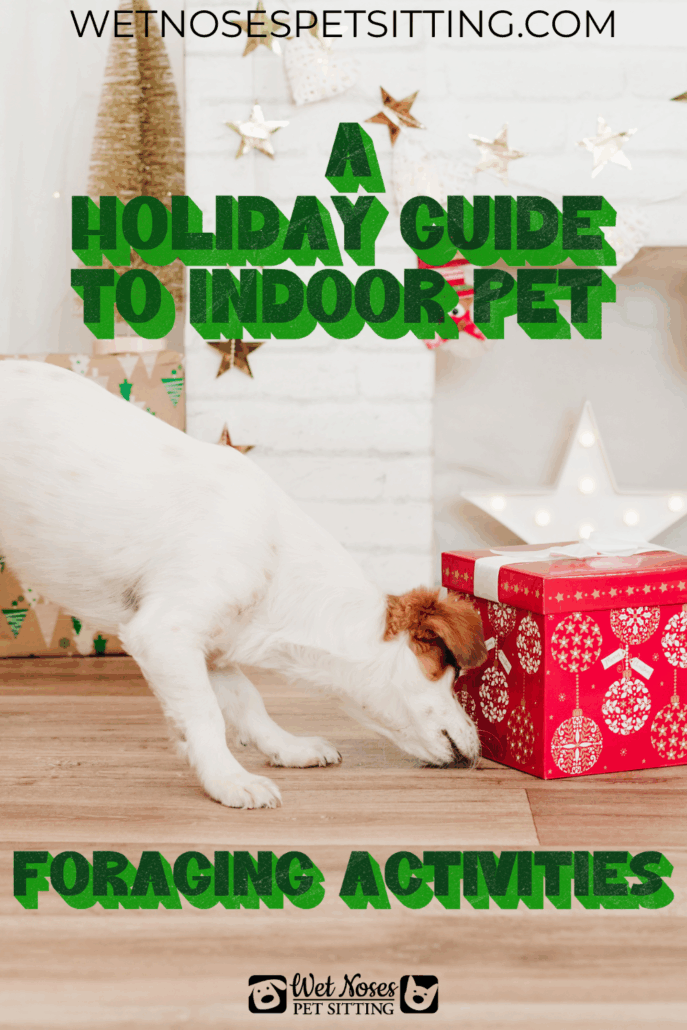
A Holiday Guide to Indoor Pet Foraging Activities

A small white and brown dog sniffs the floor next to a red holiday gift box in a festive room with Christmas decorations.

A Holiday Guide to Indoor Pet Foraging Activities

As temperatures continue to drop and daylight hours shrink, many pets experience less outdoor enrichment than usual. Sniffing, exploring and problem solving are natural behaviors that help regulate stress, and winter can limit those opportunities. Indoor foraging activities are a simple but powerful way to support your pet’s mental health during the colder months.

Foraging is more than a fun game. It taps into instinctive seeking behavior, activates the largest part of a dog’s brain, and encourages dogs and cats to use their senses in ways that boost confidence and reduce anxiety.

Here’s a holiday themed guide for bringing that enrichment indoors through foraging activities.

Why Foraging Matters More in Winter

During cold months, pets experience:

  • Fewer scent rich outdoor experiences

  • Less variety in environmental cues

  • More indoor time during holiday hosting or travel

  • Disrupted routines and less predictable daily rhythms

From a behavioral science perspective, foraging activates the brain’s seeking system, a dopamine based pathway tied to motivation and emotional balance. Engaging this system can lower stress hormones and help pets feel more mentally satisfied.

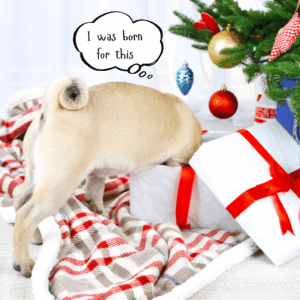
A pug forages inside a wrapped holiday gift box beneath a Christmas tree, with a thought bubble that says “I was born for this,” illustrating a simple holiday enrichment activity.

1. Gift Bag Snuffle

Layer tissue paper inside a gift bag, hide a few treats and let your pet forage through the crinkles. The changing sound textures engage their hearing while their nose does the rest. This setup offers a controlled way to recreate the sensory experience of rummaging through leaves and natural materials outdoors.

Why it works:

  • Sound and touch unpredictability increase engagement.

  • Tearing and pawing act as natural stress relief behaviors.

Increase difficulty:

  • Add more tissue layers.

  • Use smaller treats so the search takes longer.

  • Lightly fold tissue over each treat.

2. Snowbank Box

Grab a shallow cardboard box and fill it with shredded white paper, packing paper strips, or fleece pieces to mimic a snowy landscape. Hide toys or treats throughout the layers and let your pet dig through the snowbank. This activity creates a sensory rich digging environment that mirrors natural foraging habitats.

Why it works:

  • Digging activates proprioceptive feedback and helps release energy.

  • Shredding supports natural problem solving behaviors.

Increase difficulty:

  • Add deeper layers.

  • Hide treats in small paper cups buried underneath.

  • Mix toys and decoys to increase decision making.

3. Winter Scent Trails

Drag a cotton ball with a tiny amount of chicken or beef broth dabbed on it across the floor to create a gentle scent trail leading to a reward. During winter, pets spend more time indoors, and this gives them a fun way to explore their environment using scent. Lightly scented cotton keeps the game tidy while encouraging focused sniffing.

Why it works:

  • Dogs devote significant brain space to scent processing.

  • Slow sniffing activates the parasympathetic nervous system and helps regulate stress.

Increase difficulty:

  • Create curved or zigzag paths.

  • Use less scent toward the end of the trail.

  • Add a fork in the trail for more problem solving.

For cats, use silvervine or catnip instead of broth.

4. Towel Forage Wrap

Lay a towel flat and scatter a few treats across it, then fold it up from each side like a soft bundle. Tie the two top corners together loosely so it resembles a little holiday package that your pet can safely undo. Let your pet “unwrap” it using their paws and nose to discover the hidden rewards. It’s a simple warm indoor activity for days when pets need extra mental engagement.

Why it works:

  • The wrapped shape creates a gentle puzzle that encourages exploration.

  • The towel holds scent well, extending sniffing time and interest.

  • Unwrapping encourages controlled, focused paw and nose work.

Increase difficulty:

  • Add an extra fold or two inside before tying the corners.

  • Tuck one corner slightly under the bundle to delay the start.

  • Place the wrap against a wall or under a lightweight toy so they must move it first.

5. Festive Treat or Toy Hide

Place soft toys or treats inside holiday boxes, under layers of wrapping paper, or tucked gently around safe Christmas decorations such as under a tree skirt or inside a decorative basket. Let your pet paw, nose, and explore to uncover the surprise. This activity builds curiosity by encouraging pets to check familiar holiday objects in new ways.

Why it works:

  • Rustling sounds encourage exploration.

  • Mild problem solving activates the prefrontal cortex.

Increase difficulty:

  • Use multiple boxes and hide treats in only one.

  • Add more layers of paper.

  • Cover the box lightly with fleece or tissue for extra searching effort.

6. Find It Ornament Game

Set out several large, undecorated plastic ornaments and hide a treat or scent inside one of them. Let your pet sniff each ornament until they identify the one with the hidden reward, then open it and let them enjoy the treat. This turns scent discrimination into a simple holiday themed guessing game.

Why it works:

  • Builds scent discrimination skills.

  • Offers structured enrichment with minimal mess.

Increase difficulty:

  • Add more ornaments.

  • Space them farther apart.

  • Use smaller amounts of scent so your pet must concentrate more.

Safety Tips

  • Avoid tinsel, ribbon, rubber bands, and anything small pets could swallow.

  • Supervise shredding or digging for pets who chew heavily.

  • Keep activities short for seniors or pets with mobility challenges.

  • Always use safe materials and scents.

A black and white cat sits under a Christmas tree decorated with gold ornaments, looking down curiously at a blanket. A thought bubble above its head reads “Is that a treat?” to suggest holiday foraging behavior.

A little enrichment goes a long way during the busy holiday season. These simple indoor pet foraging activities help pets stay relaxed, stimulated, and happy all winter long.

Discover more ways to keep your pets happy this season at Wet Noses Pet Sitting.

Why You Should Never Give Pets Cooked Bones

Dog eyeing a platter of cooked turkey with the bones on a table with the text “Why You Should Never Give Pets Cooked Bones” from Wet Noses Pet Sitting.

Why You Should Never Give Your Pets Cooked Bones

Thanksgiving puts a lot of food within reach for curious pets. With platters moving from the kitchen to the table and leftovers piling up, it’s easy for dogs and cats to sneak a bite or for someone to offer a treat without thinking twice. But among all the holiday scraps, cooked bones are one of the most dangerous things a pet can swallow.

They might look like a harmless reward, yet they can lead to painful injuries, emergency surgery and life threatening complications.

Why Cooked Bones Are Unsafe

They break into sharp pieces

Cooking dries bones out and makes them brittle. Instead of bending or crumbling, they snap into jagged fragments that can injure a pet’s mouth, throat or digestive tract.

Choking risk is high

Small pieces can lodge in the throat or block the airway. Even larger bones can become stuck between teeth or at the back of the mouth.

They can damage the stomach and intestines

If swallowed, sharp fragments can scrape, cut or puncture internal organs. Some pets need emergency surgery to remove them.

Blockages can form

Even if a bone doesn’t shatter, it can get stuck as it moves through the digestive system. This can slow or stop digestion, leading to vomiting, pain and dehydration.

Bacteria can still be present

Turkey, chicken and ham bones left out on the counter can hold harmful bacteria. Pets can get sick from contaminated scraps just like people.

Holiday Foods That Commonly Contain Cooked Bones

• Turkey legs and wings
• Chicken legs, wings or thighs
• Ham bones
• Prime rib or bone in ribeye cuts
• Ribs
• Leftovers with bones attached
• Table scraps that end up in an open trash bag

Bones of any size become unsafe once they’re cooked.

Signs Your Pet May Have Swallowed a Cooked Bone

Watch closely if you think your pet got into something:

• Coughing or gagging
• Drooling more than usual
• Vomiting
• Pawing at the mouth
• Refusing food
• Abdominal pain or restlessness
• Trouble passing stool or blood in stool
• Sudden tiredness or hiding

If you see any of these symptoms, call your vet or the closest emergency clinic right away. The VCA Veterinary Specialists of Northern Colorado is open Monday from 8:00 am to 12:00 am, Tuesday through Friday open 24 hours, Saturday from 12:00 am to 6:00 pm and closed on Sunday.

Keep the Holiday Safe

With all the excitement and food around, it helps to remind guests not to share bones or scraps. Keeping trash secure and plates out of reach can prevent most accidents. A little extra awareness makes the day safer for everyone, especially the pets who love being part of the celebration.

Want Your Pet to Enjoy Thanksgiving Flavors Safely?

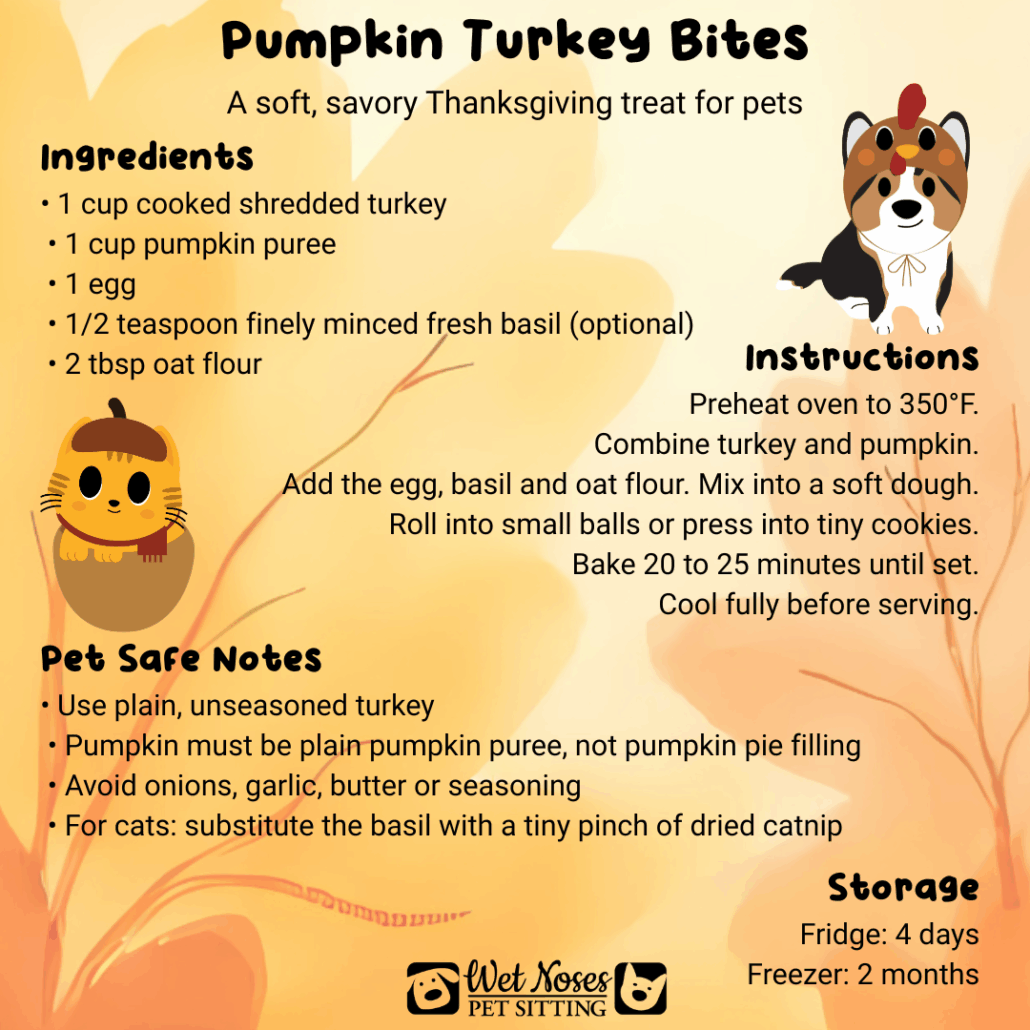
If you still want your pet to feel included in the festivities, you can offer them a homemade treat made with simple, pet friendly ingredients. It gives them the fun of a holiday reward without any of the risks that come with cooked bones. Give our soft, savory Pumpkin Turkey Bites a try.

Find more seasonal pet care ideas and helpful resources at Wet Noses Pet Sitting.

The Importance of Cleaning Your Pet’s Food and Water Bowls

Cat and dog eating from clean stainless steel bowls after cleaning pet food and water bowls

The Importance of Cleaning Your Pet’s Food and Water Bowls

We wash our own dishes every day, but how often do we think about our pets’ bowls? Regularly cleaning your pet’s food and water bowls is one of the simplest ways to support their health and well-being.

Bacteria Build Up Fast

Leftover food and saliva create a breeding ground for bacteria like E. coli, Salmonella and yeast. These can cause stomach upset, infections, or worse. A National Sanitation Foundation study even found pet bowls to be among the top five germiest household items, right up there with kitchen sponges and toothbrush holders.

Biofilm, Pink Mold, and Slime Aren’t Just Gross

That slippery layer that forms inside a water bowl is called biofilm. It’s made of bacteria that stick together and become harder to remove over time. One common example is pink mold, which isn’t really a mold at all but a type of biofilm caused by the bacteria Serratia marcescens. It thrives in damp areas like pet bowls, shower corners, and even bathroom sinks. Once it builds up, it can cause skin irritation, urinary infections and stomach upset if ingested. Regular scrubbing breaks up biofilm and removes pink mold before it becomes harmful.

Fresh Taste, Better Hydration

Pets notice when their bowls smell or taste “off.” If water or food residue sits too long, it can discourage drinking and reduce appetite, especially for picky eaters or senior pets. Some cats will even avoid their bowl completely if it’s dirty, which can quickly lead to dehydration or stress-related eating changes. Keeping bowls clean encourages proper hydration and consistent eating habits.

Keeps Allergies and Odors Away

Dirty bowls can also attract dust, hair and mold spores, which may trigger allergies or create unpleasant odors around your feeding area. A quick wash keeps your home fresher and your pet’s environment healthier.

Choose the Right Bowl

Opt for stainless steel or ceramic over plastic, which scratches easily and traps bacteria in tiny grooves. Replace bowls if they become cracked or cloudy.

How Often to Wash

  • Food bowls: Wash after every meal using hot, soapy water or place them in the dishwasher on a hot cycle.

  • Water bowls: Clean at least once daily, even if they still look full. A quick rinse and refill morning and night helps too.

  • Deep clean weekly: Soak bowls in a mixture of vinegar and water or use a pet-safe disinfectant for a more thorough sanitizing.

The American Kennel Club cites DVM, Dr. Jamie Whittenburg, who says food and water bowls should be washed daily “to avoid the accumulation of food residue and biofilm, which can be detrimental to the health of your pets and the rest of your family.” It also notes that the FDA recommends washing food bowls after each use, especially with wet food.

Dishwashers make this routine simple. Stainless steel and ceramic bowls are usually dishwasher safe and can be washed alongside your regular dishes, just avoid plastic, which can warp or trap bacteria in tiny scratches.

A Small Step with Big Impact

Clean bowls might seem like a minor detail, but for your pet, it means fewer health risks, fresher water and a happier mealtime. Think of it as one small act of love that adds up to a lifetime of wellness.

Find more pet health tips at Wet Noses Pet Sitting.