Fireworks & Fur Babies: Keeping Pets Calm on the 4th of July

The 4th of July is full of fun, parades, cookouts, time with family and friends, and those dazzling fireworks shows we all look forward to. But for our pets? It can be one of the most stressful days of the year.

The loud bangs, flashing lights, and unexpected chaos can leave even the calmest pets feeling anxious or afraid. In fact, more pets go missing around the 4th of July than any other time, many of them scared off by fireworks.

At Wet Noses Pet Sitting, we care deeply about your pets’ well-being, and we’re here to help. Here’s how you can prepare for the holiday and keep your furry friends feeling safe and secure.

Why Fireworks Freak Pets Out

While we know fireworks are harmless (and pretty cool!), our pets don’t understand what’s going on. To them, it’s just loud, unpredictable noise coming from the sky, with no explanation. Dogs and cats often react with:

  • Shaking or hiding

  • Whining, barking, or meowing

  • Pacing or trying to escape

  • Accidents indoors

  • Destructive behavior

Even if your pet has been fine before, anxiety can build over time, especially if they’re left alone or caught off guard.

Simple Ways to Help Your Pet Stay Calm

Here are some easy, effective things you can do to help your pet stay calm when the fireworks start:

1. Create a Safe, Cozy Spot

Pick a quiet room in your home, somewhere your pet already feels comfortable. Add their bed, a few favorite toys, and maybe some soft blankets. Keeping the lights on and playing calming music or white noise can really help.

2. Try Calming Products

There are some great options out there for easing anxiety:

  • Calming treats or chews (ask your vet first!)

  • Pheromone sprays or diffusers

  • CBD products (again, check with your vet to be safe)

Test these a few days ahead of time to see what works best for your pet.

3. Keep Them Indoors

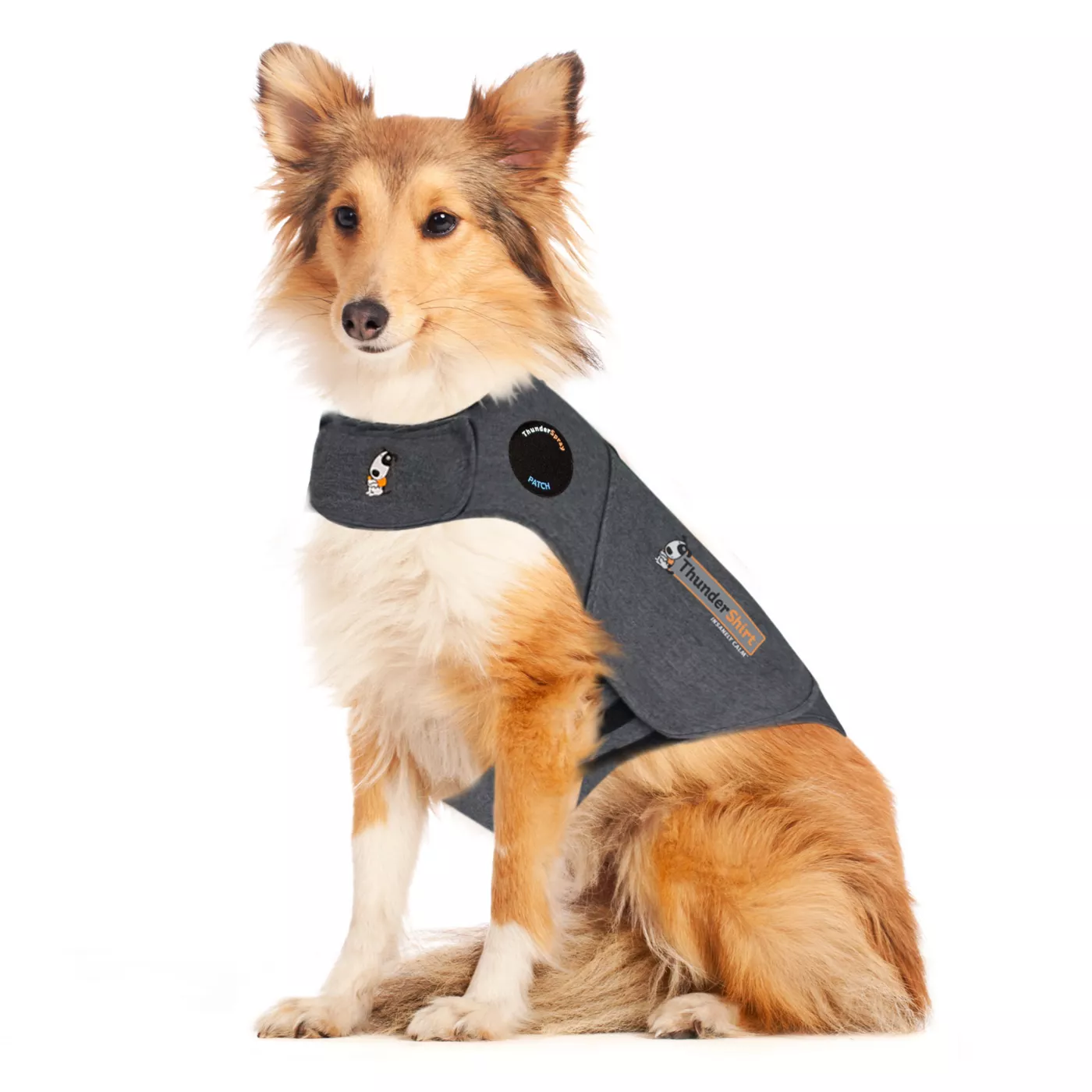
Even if your pet usually loves the backyard, it’s safest to keep them inside when fireworks are going off. Scared pets can jump fences, dig under gates, or break loose from collars.

4. Block Out the Noise

Close the windows and curtains to help muffle the sound and block flashing lights. A fan, TV, or relaxing playlist can create background noise that helps your pet relax.

5. Skip the Fireworks Show (For Your Pet, At Least)

As tempting as it may be to bring your pup to the party, it’s best to leave them home in a safe, familiar place.

6. Check Tags and Microchips

Just in case they manage to get out, make sure their collar has an ID tag and their microchip info is up to date. It’s one of the best ways to help them get home quickly if they run.

Where Pet Sitters Come In

If you’re planning to be out celebrating, a professional pet sitter can make a world of difference. At Wet Noses Pet Sitting, we’re not just stopping by to feed your pet, we’re there to comfort them, stick to their routine, and help them feel secure when the world outside gets loud.

We can:

  • Stay with your pet during fireworks

  • Use calming techniques and products you provide

  • Keep their routine consistent

  • Give you peace of mind with regular updates

Whether you’ll be gone for a few hours or the whole evening, we’re here to help your pet feel less alone and a lot more loved.

 Let’s Make the Holiday Safe for Everyone

We know how much your pets mean to you, they’re part of the family. With a little planning (and maybe a helping paw from your favorite pet sitter), you can keep them safe, calm, and cared for this Independence Day.

From all of us at Wet Noses Pet Sitting, we wish you a happy and peaceful 4th of July!

Want more tips and tricks for the fourth of July festivities? Click here to read our last post!

Signs Your Pet Might Be Lonely & How a Pet Sitter Can Help

Signs Your Pet Might Be Lonely & How a Pet Sitter Can Help

As pet owners, we know how much joy our furry friends bring into our lives. However, when our schedules get busier, or we need to be away from home for a while, our pets can feel the effects of our absence. Animals, just like humans, can experience loneliness. Understanding the signs that your pet might be lonely is essential to ensuring their well-being, and having the right support—like a pet sitter—can make all the difference.

Signs Your Pet Might Be Lonely
Excessive Whining or Howling If your dog or cat is suddenly more vocal when you’re not home, this can be a sign of loneliness. While some pets do vocalize naturally, constant whining, crying, or howling, especially when they notice you’re leaving, can indicate that they are seeking your attention and companionship.

Destructive Behavior

Lonely pets often act out when they’re feeling isolated. Dogs might chew on furniture, shoes, or even your personal items, while cats could scratch furniture or knock things over. This destructive behavior is their way of dealing with anxiety or boredom from being left alone.

Excessive Sleeping

While it’s normal for pets to sleep a lot, an unusually long nap can be a sign that your pet is feeling down. When pets are lonely, they may retreat into their sleeping space to avoid feeling sad or stressed. If they seem to sleep excessively during the day or night, it could be due to isolation.

Loss of Appetite

A sudden loss of interest in food can indicate that your pet is feeling emotionally down. Stress and loneliness can affect their eating habits. They might not eat as much or show a lack of enthusiasm about their meals when they’re feeling lonely.

Changes in Behavior

Pets that are normally affectionate might suddenly become distant or, on the flip side, excessively clingy when you’re around. Loneliness can cause them to act out in ways that are uncharacteristic of their normal behavior.

Lack of Energy or Interest in Play

If your pet is normally playful but suddenly shows no interest in activities, toys, or walks, this could be a clear sign of loneliness. Without interaction or companionship, pets can become apathetic and disinterested in things they once loved.

How a Pet Sitter Can Help
Hiring a pet sitter can be a game-changer for your lonely pet. Here’s how a professional pet sitter can alleviate their feelings of isolation:

Regular Interaction

Pet sitters provide consistent companionship when you’re not around. Whether they’re spending time playing, cuddling, or simply talking to your pet, the regular attention will help reduce loneliness and anxiety. Your pet will appreciate the human interaction, especially if you’re gone for an extended period.

Maintaining Their Routine

Pets thrive on routine. A pet sitter can ensure your pet continues to follow their usual schedule for meals, walks, and playtime, helping maintain a sense of normalcy. Keeping these routines intact reduces stress and makes them feel more secure.

Exercise and Mental Stimulation

Loneliness often leads to boredom, which can exacerbate destructive behavior. A pet sitter can take your dog for walks or play with your cat, providing much-needed physical exercise and mental stimulation. This engagement helps keep their minds sharp and their spirits up.

Reducing Separation Anxiety

If your pet suffers from separation anxiety, a pet sitter can ease the transition by being present when you’re not. With a sitter checking in regularly, your pet may feel more comfortable in your absence, as they learn that they’re not alone and that someone they trust is there to look after them.

Increased Comfort for You and Your Pet

Knowing that your pet is being cared for by a trusted professional can ease your own anxiety when you’re away. Whether it’s for a short trip or a long workday, you can rest easy knowing your pet is in capable hands. This not only benefits your pet’s emotional health but also strengthens your bond with them when you return.

Emergency Care

In cases where your pet needs medical attention or extra care, a pet sitter can provide immediate help, making sure your pet is safe and comfortable. Their presence can be particularly valuable if your pet requires medication or special care that a neighbor or friend may not be able to provide.

Final Thoughts
Loneliness can significantly affect a pet’s mental and physical well-being, so it’s important to recognize the signs early and take steps to alleviate their distress. If you notice your pet exhibiting signs of loneliness, hiring a professional pet sitter can help provide the companionship, care, and structure they need to thrive in your absence.

Whether you’re away for a few hours, a weekend, or longer, a pet sitter can make all the difference in ensuring that your pet feels loved, happy, and safe until you return. After all, your pet’s happiness is worth the effort.

Here are some other good reads about pet lonliness, https://wetnosespetsitting.com/do-cats-get-lonely-when-you-work-all-day-understanding-feline-independence/


Paw-sitively Pawesome ways to Celebrate Valentine’s Day with Your Dog

Valentine’s Day is all about celebrating love, and who better to share the love with than your loyal, furry companion? Whether you’re single or spending the day with a special someone, your dog deserves to be pampered and included in the festivities. Here are 7 fun and heartwarming activities you can enjoy with your pup this Valentine’s Day!

1. DIY Doggie Valentine’s Day Treats

Nothing says love like homemade treats! Surprise your dog with a special Valentine’s Day snack by whipping up some healthy and delicious dog-friendly treats. Ingredients like peanut butter, pumpkin, and oats are great for your furry friend’s health. You can even shape them like hearts for a cute and festive touch.

Bonus tip: Share the fun by baking together! Invite your pup to be your sous-chef while you mix and bake. Just make sure to have their favorite ingredients handy for a tail-wagging good time.

2. Go on a Scenic Valentine’s Day Walk

There’s nothing like a peaceful walk to strengthen the bond between you and your dog. On Valentine’s Day, take your pup to a park or nature trail and enjoy some quality time together. Choose a scenic route where you can both enjoy the sights, sounds, and smells of nature. Take along a camera and snap some photos of your dog in action—it’ll make for adorable memories!

3. Host a “Paw-ty” for Your Pup

Who says Valentine’s Day is just for humans? Throw a doggy “paw-ty” and invite your dog’s favorite canine friends. Set up a mini playdate at your house or a pet-friendly park with dog-safe treats, toys, and fun games. You can even hand out Valentine’s-themed dog bandanas for the pups to wear during their playtime.

Tip: Play some fun dog games like “fetch the heart-shaped toy” or organize a puppy race for a competitive yet lighthearted Valentine’s Day celebration.

4. Cuddle Time and Movie Marathon

Valentine’s Day is the perfect excuse for a relaxing night in. Grab your coziest blanket, your favorite snacks (for you, not your dog!), and settle in for a dog-friendly movie marathon. Watch cute films like Lady and the Tramp or 101 Dalmatians and enjoy snuggling with your pup.

Bonus points if you share some belly rubs and let your dog enjoy a special snack during the movie. It’s the ultimate bonding experience!

5. Pamper Your Dog with a Spa Day

Treat your dog to a Valentine’s Day spa day! You can create a relaxing experience right at home with a gentle bath, brushing, and a nice paw massage. Afterward, give your pup a fresh and fluffy new look with a dog-friendly grooming session. Not only will your dog feel loved, but they’ll look their best for the day ahead!

Pro Tip: Use pet-friendly, lavender-scented products to make the experience extra soothing for both of you.

6. Take Valentine’s Day Photos Together

Capture the love with a photo shoot to commemorate Valentine’s Day. Whether it’s a simple selfie or a professionally styled session, it’s always fun to snap some pictures with your dog. Dress up in red or pink, add a few props like heart-shaped balloons or a “Be Mine” sign, and get ready for some adorable photos that you’ll cherish forever.

Tip: If your dog isn’t too fond of posing, try capturing moments while you’re engaging in other activities like playing, cuddling, or sharing treats.

7. Make a Donation in Your Dog’s Name

This Valentine’s Day, give back to animals in need by making a donation to a local animal shelter or charity. Whether it’s food, toys, or monetary contributions, it’s a wonderful way to spread love and compassion. You can also volunteer your time at a shelter or foster a pet for the day to make sure other pups get their own dose of love.

You and your dog can share your good fortune by helping those less fortunate!


Valentine’s Day isn’t just for couples—it’s an opportunity to celebrate all forms of love, including the unconditional love we share with our pets. No matter which activity you choose, your dog will undoubtedly appreciate the time and attention you give them. So, grab your dog’s leash, treats, and maybe a heart-shaped toy, and make this Valentine’s Day a memorable one for both you and your four-legged best friend! ❤️🐾

Happy Valentine’s Day!

Is Your Dog Suffering from Allergies? A Pet Parent’s Guide to Spotting the Signs

Allergies in dogsAs much as we love our furry friends, they don’t always have the words to tell us when something’s wrong. One common issue dogs face is allergies, which can affect their skin, digestion, or even their respiratory system. Just like humans, dogs can develop allergic reactions to various things, and understanding how to spot these allergies is crucial for their health and comfort. So, how can you tell if your dog has an allergy? Let’s dive into the signs, causes, and what you can do about it!
1. Skin Irritations and Itchy Skin

One of the most common signs of allergies in dogs is itching. If your dog is constantly scratching, biting, or licking themselves—especially in areas like their paws, face, ears, or belly—it could be a sign of an allergic reaction. Allergies to environmental factors, like pollen, dust mites, or mold, as well as food allergies, often manifest as skin irritations. You may notice:

  • Red or inflamed skin
  • Hot spots (sore, moist patches of skin)
  • Hair loss in certain areas
  • Excessive scratching or biting

2. Ear Infections and Head Shaking

If your dog is frequently shaking their head or scratching at their ears, it could be a sign of an allergy affecting their ears. Allergies, especially those triggered by food or environmental factors, can cause inflammation in the ears, leading to infections. Common symptoms of an ear infection include:

  • Dark, smelly discharge from the ears
  • Redness or swelling in the ear canal
  • Increased ear scratching or head shaking

3. Gastrointestinal Issues (Vomiting, Diarrhea)

Food allergies can manifest in digestive issues, such as vomiting, diarrhea, or even excessive gas. If your dog is suddenly experiencing upset stomachs or irregular bowel movements, an allergic reaction to something they’re eating could be the cause. Keep track of any new food you’ve introduced and see if the symptoms correlate with certain meals or treats.

4. Respiratory Issues (Coughing, Sneezing)

In some cases, allergies can also affect your dog’s respiratory system. Environmental allergens like pollen or dust can cause your dog to sneeze, cough, or even develop watery eyes. Watch for:

  • Sneezing fits
  • Coughing
  • Nasal discharge or watery eyes

5. Changes in Behavior or Lethargy

Allergies can also make dogs feel generally unwell. If your dog is acting more tired than usual or seems off, it could be due to the discomfort of an allergic reaction. They may also become irritable or anxious if they’re constantly itchy or experiencing pain.

6. Frequent Paw Licking or Chewing

Dogs that are allergic to something, especially environmental allergens, may lick or chew at their paws to alleviate irritation. If your dog’s paws seem excessively wet or red from constant licking, it’s a good indicator they may be reacting to an allergen.

Common Causes of Dog Allergies

Now that we know the signs, let’s look at the most common allergens that affect dogs:

  • Food Allergies: Dogs can be allergic to ingredients like beef, chicken, grains, or dairy. Food allergies often cause gastrointestinal issues or skin reactions.
  • Environmental Allergies: Just like humans, dogs can suffer from seasonal allergies caused by pollen, grass, or trees. Dust mites, mold, and even certain chemicals in cleaning products can trigger allergic reactions.
  • Flea Allergies: Some dogs are allergic to flea saliva, leading to intense itching and skin infections. This is known as flea allergy dermatitis.
  • Contact Allergies: Certain materials or chemicals, such as certain types of fabric or cleaning products, can cause allergic reactions when your dog comes into contact with them.

What to Do If You Suspect an Allergy

If you suspect your dog has an allergy, it’s always a good idea to consult with your veterinarian. They can help diagnose the cause of the allergy, whether through skin tests, blood tests, or an elimination diet. In the meantime, here are some things you can do to alleviate your dog’s symptoms:

  • Avoid Known Triggers: If you suspect your dog’s allergy is caused by a specific food or environmental allergen, try to eliminate it from their diet or environment.
  • Medications: Your vet may prescribe antihistamines, steroids, or topical treatments to help manage your dog’s symptoms.
  • Flea Control: If fleas are the issue, work with your vet to put a flea prevention plan in place.
  • Regular Bathing: Giving your dog regular baths with a gentle, hypoallergenic dog shampoo can help soothe irritated skin and wash away allergens.

Conclusion

Allergies in dogs can be a tricky thing to navigate, but with careful observation and the right veterinary care, your furry friend can get back to feeling their best. Pay attention to the signs like itching, ear infections, gastrointestinal issues, or respiratory problems, and don’t hesitate to reach out to your vet for advice and treatment. Your dog’s comfort and health are worth the effort!


Keeping Tails Wagging: Protecting your pets during New Years Eve

Protecting Your Pets During New Year’s Eve Festivities

As the clock ticks down to midnight on New Year’s Eve, many of us look forward to lively celebrations filled with laughter, fireworks, and cheer. However, while these festivities bring joy to us, they can pose serious dangers to our furry friends. To ensure your pets stay safe and comfortable, it’s essential to be aware of the risks and take proactive measures.

Fireworks: A Source of Fear and Stress

The loud booms and bright flashes of fireworks can be terrifying for pets, particularly dogs and cats. Many animals have more sensitive hearing than humans, making the sounds even more distressing. This can lead to:

  • Panic and escape attempts: Frightened pets may try to run away, putting them at risk of getting lost or injured.
  • Injury or damage: Stressed animals may scratch doors, chew furniture, or harm themselves in an attempt to find safety.
  • Health issues: Elevated stress levels can trigger symptoms like drooling, shaking, or even heart problems in sensitive animals.

Keep pets indoors during fireworks displays, provide a safe and quiet space for them to retreat, and consider playing calming music to drown out the noise.

Toxic Foods and Drinks

Holiday parties often feature a variety of foods and drinks that can be harmful or even deadly to pets. These include:

  • Alcohol: Even small amounts can cause vomiting, diarrhea, coordination problems, and in severe cases, respiratory failure.
  • Chocolate and sweets: Many desserts contain chocolate or xylitol, both of which are highly toxic to dogs and cats.
  • Fatty or spicy foods: These can upset your pet’s stomach and may lead to pancreatitis.

Ensure all food and drinks are kept out of reach of your pets, and inform guests not to feed them.

Party Decorations and Hazards

Decorations like balloons, streamers, and confetti can look like toys to curious pets, but they can be dangerous if ingested or chewed. Broken glassware or other party-related debris can also pose risks. Monitor your pets closely and clean up promptly after the party to remove any hazards.

Increased Risk of Escape

With guests coming and going, doors may be left open, giving pets an opportunity to slip outside unnoticed. The excitement and unfamiliar faces may also cause them to feel overwhelmed and attempt to flee. Use baby gates or keep pets in a secure room away from the main party area. Ensure your pets are microchipped and wearing identification tags in case they do escape.

Alcohol and Fireworks Residue

After the celebrations, fireworks debris and spilled alcohol can linger in outdoor areas. Pets may ingest or come into contact with these harmful substances while exploring. Thoroughly clean up outdoor areas after the festivities to eliminate potential dangers.

Your pets depend on you to keep them safe and comfortable, especially during times of heightened activity like New Year’s Eve. By planning ahead and taking a few simple precautions, you can help your furry companions stay happy and stress-free as you ring in the new year. Let’s make this New Year’s Eve memorable for all the right reasons—for both you and your beloved pets.

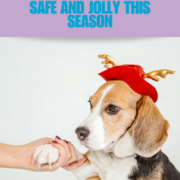
Holiday Hazards- Keeping Your Pets Safe and Jolly This Season

The holiday season is a time of joy and celebration, but, it can also bring hidden dangers for our furry family members. With a little knowledge and preparation, you can ensure your pets stay safe and happy throughout the festivities. Here are some of the most common holiday hazards to be aware of.
Dangerous Foods
Holiday meals fill the air with irresistible aromas, but some festive treats can be dangerous, or even deadly, for our furry friends. Chocolate, for example, contains theobromine, which is toxic to both dogs and cats. Rich, fatty foods like turkey skin and gravy might seem harmless but can lead to pancreatitis. Grapes and raisins are a big no because they can cause kidney failure in dogs. Watch out for xylitol, a common sugar substitute in baked goods and candies, which can trigger severe hypoglycemia or liver failure in pets. To keep your pets safe, ensure all food is out of their reach and kindly remind guests not to sneak them table scraps
Holiday Decorations
Festive decorations bring warmth and charm to your home during the holiday season, but they can also present hidden dangers to curious pets. Tinsel, for example, is particularly enticing to cats but can lead to severe intestinal blockages if ingested. Christmas trees, while beautiful, should be securely anchored to prevent them from toppling over if pets climb or bump into them. Additionally, avoid using water additives in the tree stand, as these can be toxic if consumed. Glass ornaments, though elegant, pose a risk of cuts or ingestion if they shatter. Similarly, lit candles can be hazardous; a wagging tail or curious paw can easily knock them over, potentially causing burns or even fires. To keep your pets safe, consider using pet-friendly decorations and supervise them around holiday decor.
Plants and Flowers
Holiday plants add beauty and tradition to festive decor, but many can be harmful to pets if ingested. Poinsettias, while not highly toxic, can still cause mild irritation to the mouth and stomach. Holly and mistletoe present more serious risks, potentially leading to vomiting, diarrhea, and even cardiovascular issues. Lilies are particularly dangerous for cats, as ingestion can result in severe kidney failure. To keep your pets safe, consider using artificial plants or placing real ones in locations that are completely out of your pets’ reach.
Wrapping Supplies
Gift wrapping is a beloved holiday tradition, but it can pose hidden dangers to pets if precautions aren’t taken. Items like ribbon and string, much like tinsel, can be highly appealing but may cause serious intestinal blockages if swallowed. Adhesives such as tape and glue can also be harmful when ingested, posing risks to a pet’s digestive system. Small toys or batteries, often included with gifts, can be choking hazards or cause internal injuries if chewed or swallowed. To keep your pets safe, promptly clean up all wrapping materials after gifts are opened.
Final Thoughts
The holiday season is a time of joy and celebration for the entire household, including your beloved pets. By staying mindful of potential hazards and taking a few simple precautions, you can create a safe and festive environment for your furry companions.
If you have any questions or concerns about your pet’s safety during the holidays, don’t hesitate to consult your veterinarian. They are your most reliable resource for ensuring your pet’s health and well-being.
Wishing you and your pets a happy, healthy, and stress-free holiday season!

If you don’t have a veterinarian, here is some tips and tricks on how to find one you love! https://wetnosespetsitting.com/how-to-pick-a-vet/

For more information on this topic, here is a great resource: https://www.avma.org/resources-tools/pet-owners/petcare/holiday-pet-safety

5 Things to Do in Highlands Ranch this Fourth of July_Header

5 Things To Do In Highlands Ranch This Fourth of July

5 Things to Do in Highlands Ranch this Fourth of July_Header

Fourth of July is coming up. It’s best to get your pet sitter booked early. Here are some activities happening in and around Highlands Ranch, Colorado this Fourth of July.

Fireworks Show

This year there will be no shuttles provided to the park. So please make sure to bike, walk, and ride-share whenever possible.

Food tucks will be at the event. Keep checking the official website for more information on vendors.

More details:

  • When: Monday, July 4, 2022 @ 9:30PM – 10:00PM
  • Where: Highland Heritage Regional Park
  • Activities: Fireworks

Independence Day 5K

Ready to run, or walk, a 5K? Register online to reserve your spot. Once you’re done with the 5K head on over to the July 4th parade.

  • When: Monday, July 4, 2022 @ 8:00AM
  • Where: Town Center South
  • Activities: Family-Friendly 5K Marathon

July 4th Parade

Admission is free to this July 4th parade and you (and your dog) can participate as well! Registration is not required. You can find more information on how to participate on the official website.

  • When: Monday, July 4, 2022 @ 9:00AM – 10:30AM
  • Where: The route goes South on Hepburn to the Highlands Ranch Parkway East and South into Town Center South parking lot. Here is a route map.
  • Activities: Family Bike and Pet Parade, Community Parade

Fourth of July Picnic

Picnics are a great way to celebrate Independence Day. If you’re looking for a low-cost event in Highlands Ranch this one is perfect. Grab a blanket, a cooler, and your favorite picnic classics. What’s even better is you can bring your pets along!

Bring along some dog-friendly picnic food and enjoy the day with your pup outdoors.

And for the adults…

COLORADO: Red, White & Bollywood Party!

Head on over to our neighbor Long Tree for this 18+ event. Featuring eclectic performances, cocktail specials, and dancing all night long!

  • When: Saturday, July 2, 2022 @ 8:00PM – 1:00AM
  • Where: Paradise Tavern in Lone Tree, CO (9 minute drive approximately)
  • Activities: Cocktail Specials, Music, Bollywood Entertainer DJ Prashant

You can purchase tickets early on allevents.com or at the door (subject to availability) starting at $25.


There you have it. 5 Things to do in Highlands Ranch This Fourth of July! We hope you have a safe and fun July 4th!

What To Do If Your Pet Goes Missing in Highlands_Ranch

What To Do If Your Pet Goes Missing in Highlands Ranch

What To Do If Your Pet Goes Missing in Highlands_Ranch

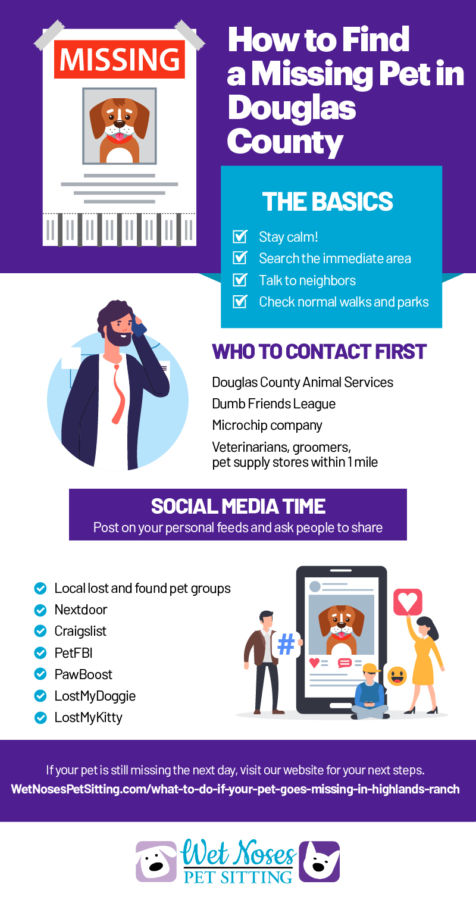
Loosing a pet can be extremely scary, especially if you do not know where to start looking. There is a lot of information out there on how to find a missing pet, but I wanted to write something specific to Highlands Ranch, so you can just go down the checklist and get it done.

1. The Basics

For the first few minutes after a pet goes missing, you want to start with the basics.

  • Do a patrol of the area to see if you find any evidence of Buddy
  • Talk to the neighbors, especially anyone working outside, to see if they noticed Buddy going by
  • If Buddy is a dog, swing by his favorite places to walk or any place for playdates to see if he went there
  • Read up on How to Catch a Loose Dog for some tips if you do see him running free

2. Who to Contact First

You have done the basic search and turned up nothing. This is typically 15-30 minutes after you have realized Buddy is missing. Now it is time to reach out for help.

  • Douglas County Animals Services – call to speak with an animal welfare officer over the phone and give them a heads up that you just lost your pet.
    • (303) 660-7529
    • 4000 Justice Way Castle Rock, CO 80109
  • Dumb Friends League – Your pet may be taken to one of their drop-off locations. There are 2 locations where strays are accepted. They also have a dedicated Lost and Found page that provides additional resources.
    • Leslie A. Malone Center, in Denver
    • Buddy Center in Castle Rock, in Castle Rock
  • If Buddy has a microchip, contact the company to let them know he is missing and how to reach you, just in case your information is not up to date.
  • Contact any veterinarians, groomers, and pet supply stores in your immediate area (around a mile from where she went missing), in case someone picks him up and brings him in.

3. Social Media Time!

The internet is your best friend when it comes to finding a pet. Your friends and complete strangers are going to be happy to help you search the interwebs for any news of Buddy.

  • Post on all of your personal social media networks. Include a recent picture, where and when she went missing and any directions you want people to follow, such as how to contact you, not to chase Buddy, Buddy is afraid of men, etc. Specifically ask people to share the post. If you know any people in the animal world, such as your normal dog walker or groomer, ask them to share since they have such a large reach.
  • Post on these pages. There are many pages specifically dedicated to helping reunite missing pets with their people. Post on as many as you can, but start with Facebook. That is where we have had the most luck in recent years.
    • Lost and Found Pets of Northern Colorado – a Facebook group that is very active and easy to post in.
    • Nextdoor – This is a newish system for people to coordinate with their neighborhoods on various subjects. When you post it can be seen by those directly in your area.
    • Post on Denver Craigslist in the Community -> Pets section as well as Community -> Lost+Found. There is no charge to do so. Highlands Ranch doesn’t have its own dedicated section. Posting in the closest one is your best bet.
    • PetFBI – Fill out their form to add your report to their database.
    • PawBoost – You can pay for upgraded service, but they list your pet for free on Facebook and in their database.
    • LostMyDoggie – They post on Facebook but they also alert local shelters and rescues.
    • PetKey – A smaller page, but everything helps!
    • Northern Colorado Pet Lovers – A group ran by Wet Noses Pet Sitting. It’s a small group but another set of eyes always helps!
  • Head out and continue looking for Buddy. Make sure you are able to answer the phone if someone calls! Ask your neighbors to check their garages, sheds, and yards to make sure he is not hiding there.Free stock photo of house cat

4. What is the Next Step?

If you are approaching evening, there are a few steps you can take, especially if Buddy is shy and still might be in the area.

  1. Double-check with any neighbors coming home to make sure they did not see him earlier in the day.
  2. Consider leaving your door open so Buddy can come in at night if he was lost from your home.
  3. If Buddy is a cat, place his litter box outside where he can smell it.

5. The Next Day

You have done all of the fast, easy options and Buddy has not been found. Now is time to dig in and spread the word that Buddy is missing.

  • File a lost pet report if you have not already done so. Animals can travel surprisingly long ways and folks sometimes pick them up and take them to their local shelter, which may not be Douglas County.
  • Post a lost pet ad in the paper. It may seem outdated, but they are still read regularly.
  • Contact local breed rescues that relate to Buddy. For instance, if he is a Golden Retriever, contact the local Golden rescue. There are too many for me to list here, and they change regularly, so search online for one. You can also contact All Breed Rescue Network at (888) 440-6467. They keep a running list of breed rescues in the Colorado area. Sometimes breed rescues will be able to offer more suggestions or help specific to your breed.
  • Print off flyers from one of the sources you used yesterday. Post flyers in veterinary hospitals, groomers, trainers, pet supply stores, the dog park, and anywhere animal-related. Many local businesses also have community boards. Start with businesses near you and increase the distance the longer Buddy is missing. Posting flyers on mailboxes and phone poles is illegal, although many people do it.
  • Continue to update posts online. People will be wondering if you found Buddy and you want to keep them searching. Ask for help again and for people to keep sharing your posts.
  • Talk to people in the neighborhood where Buddy went missing. Offer a reward for any information leading to finding him.
  • If you hear of people spotting him, go to that area and search. Shy animals can be very hard to catch, especially during active times of the day when there are a lot of people around. If you believe he might be in the area, go out during quiet times in the evening or morning when he is more likely to appear. You can also look at renting a humane trap if you are sure he is there but cannot catch him.
    Free stock photo of dog sad

6. DO NOT Give Up Hope

The longer you search the more discouraged you become. Keep looking! Here are a few searches I have helped with over the years for people I know:

  • A small, very shy dog went missing. We tracked her to a neighborhood where kids had spotted her (we paid them to keep an eye out for her). After a few days, we were not able to find her until a kid came forward. A woman in the neighborhood had picked her up and had given her to a family member in Colorado Springs. Once confronted we were able to get her back.
  • A dog ran out of his front door. The neighbors a few houses down saw him, but not not the people at the end of the block. He vanished! They continued searching and found him late that night being walked by a nice couple who lived down the street. They had been leaving earlier when they saw him run by, so they put him in the garage and then left for a few hours. They had just returned home.
  • A woman’s dog had been missing for months. She sent out flyers to shelters across the country and he showed up in Fort Collins. Turned out a trucker had picked her up and driven her across 3 states before dropping her off at the local shelter!

We regularly hear stories of animals being reunited years after going missing due to their microchips. Keep that information up-to-date and continue your search!

7. Once you Find Your Pet

Congratulations! I am so excited for you and you must feel so relieved!

  • Take the moment and enjoy it. Do not scold Buddy, he is just happy to see you!
  • Plan a trip to the vet if your pet was gone for a while or appears to be injured.
  • Go back and take down those flyers, lost pet reports and postings online so that everyone knows you found your fur kid.
  • Return the favor and share information about missing pets for other people!

Douglas County Lost Pet Infographic

If you have a resource that is not listed, Please Let Us Know so we can get it added!