Why You Should Never Give Pets Cooked Bones

Dog eyeing a platter of cooked turkey with the bones on a table with the text “Why You Should Never Give Pets Cooked Bones” from Wet Noses Pet Sitting.

Why You Should Never Give Your Pets Cooked Bones

Thanksgiving puts a lot of food within reach for curious pets. With platters moving from the kitchen to the table and leftovers piling up, it’s easy for dogs and cats to sneak a bite or for someone to offer a treat without thinking twice. But among all the holiday scraps, cooked bones are one of the most dangerous things a pet can swallow.

They might look like a harmless reward, yet they can lead to painful injuries, emergency surgery and life threatening complications.

Why Cooked Bones Are Unsafe

They break into sharp pieces

Cooking dries bones out and makes them brittle. Instead of bending or crumbling, they snap into jagged fragments that can injure a pet’s mouth, throat or digestive tract.

Choking risk is high

Small pieces can lodge in the throat or block the airway. Even larger bones can become stuck between teeth or at the back of the mouth.

They can damage the stomach and intestines

If swallowed, sharp fragments can scrape, cut or puncture internal organs. Some pets need emergency surgery to remove them.

Blockages can form

Even if a bone doesn’t shatter, it can get stuck as it moves through the digestive system. This can slow or stop digestion, leading to vomiting, pain and dehydration.

Bacteria can still be present

Turkey, chicken and ham bones left out on the counter can hold harmful bacteria. Pets can get sick from contaminated scraps just like people.

Holiday Foods That Commonly Contain Cooked Bones

• Turkey legs and wings
• Chicken legs, wings or thighs
• Ham bones
• Prime rib or bone in ribeye cuts
• Ribs
• Leftovers with bones attached
• Table scraps that end up in an open trash bag

Bones of any size become unsafe once they’re cooked.

Signs Your Pet May Have Swallowed a Cooked Bone

Watch closely if you think your pet got into something:

• Coughing or gagging
• Drooling more than usual
• Vomiting
• Pawing at the mouth
• Refusing food
• Abdominal pain or restlessness
• Trouble passing stool or blood in stool
• Sudden tiredness or hiding

If you see any of these symptoms, call your vet or the closest emergency clinic right away. The VCA Veterinary Specialists of Northern Colorado is open Monday from 8:00 am to 12:00 am, Tuesday through Friday open 24 hours, Saturday from 12:00 am to 6:00 pm and closed on Sunday.

Keep the Holiday Safe

With all the excitement and food around, it helps to remind guests not to share bones or scraps. Keeping trash secure and plates out of reach can prevent most accidents. A little extra awareness makes the day safer for everyone, especially the pets who love being part of the celebration.

Want Your Pet to Enjoy Thanksgiving Flavors Safely?

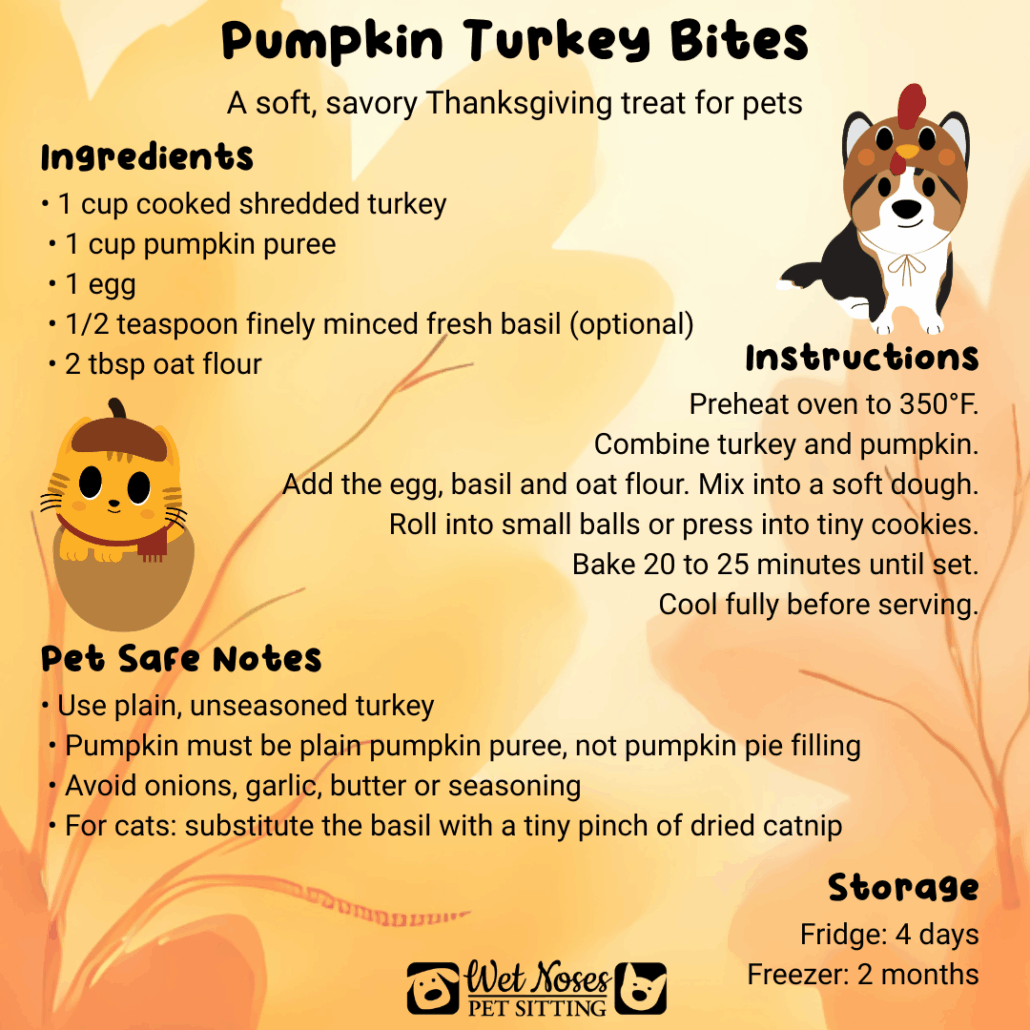
If you still want your pet to feel included in the festivities, you can offer them a homemade treat made with simple, pet friendly ingredients. It gives them the fun of a holiday reward without any of the risks that come with cooked bones. Give our soft, savory Pumpkin Turkey Bites a try.
Find more seasonal pet care ideas and helpful resources at Wet Noses Pet Sitting.

How Colorado’s Pet Pantries Keep Families Together

How Colorado’s pet pantries keep families together, Wet Noses Pet Sitting blog image showing a person cuddling their dog

How Colorado’s Pet Pantries Keep Families Together

Thanksgiving is a time for family, full plates and a little reflection on what we’re grateful for. For most of us, that includes the comfort of our homes, the people we love, and the pets who make every day brighter.

But as we gather around the table and sneak our pets a piece of turkey under it, it’s worth remembering that not every family, or every animal, has the same security this season. For many Coloradans, the holidays bring more worry than rest. Rising grocery prices, housing costs, and veterinary bills have made it harder than ever for some families to care for their pets.

That’s where Colorado’s network of pet food pantries comes in. These community-run programs quietly fill an essential gap: making sure pets stay with the people who love them most, even when times get tough.

The Role of Pet Pantries

Pet food pantries operate much like human food banks, but their impact stretches beyond nutrition. By providing free or low-cost pet food, they help prevent families from having to surrender animals simply because they can’t afford to feed them. The goal is simple: keep pets with their people and reduce shelter overcrowding.

What began as a handful of local efforts has grown into a statewide movement. In Colorado, several key organizations have become lifelines for families facing hardship.

When Times Get Tough, Shelters Feel It

Economic stress doesn’t just affect people, it ripples through the entire pet community. In 2025, Pet Food Industry News reported that “with pet food costs remaining 23% higher than pre-pandemic levels, shelters are reporting surges in both surrender rates and requests for assistance.”

That’s why local pet food programs play such a critical role. A single donated bag of kibble can keep a pet out of a shelter, maintain a family bond, and ease pressure on already overburdened rescues.

Colorado Pet Pantry: The Statewide Network

Colorado Pet Pantry is the largest pet food assistance organization in the state, partnering with human food banks and community centers to operate over 100 distribution sites.

In 2024 alone, they provided millions of meals to pets across Colorado, not just in Denver or the Front Range, but in rural areas where resources are often scarce. Their mission is straightforward yet powerful: to keep pets out of shelters and in the arms of their families.

Animal Friends Alliance: The “Kibble Supply” Program

Based in Fort Collins, Animal Friends Alliance runs the Kibble Supply Pet Food Pantry, offering drive-thru pet food distributions two to three times per month.

It’s a model rooted in compassion and accessibility, making it easy for anyone in need to pick up food with dignity and privacy. The program directly supports local residents who might be between paychecks, recovering from illness, or simply facing a tough season.

When you see a car lined up at one of their distributions, you’re not just looking at pet owners, you’re looking at families fighting to keep stability and love intact.

4 Paws Pet Pantry: Community Support Five Days a Week

Also based in Fort Collins, 4 Paws Pet Pantry provides steady, hands-on support for people experiencing homelessness, financial hardship, or living on fixed incomes.

Unlike pop-up events, 4 Paws is open five days a week, creating a consistent safety net for pet owners who need ongoing help. Their team understands that pets aren’t luxuries, they’re lifelines. For someone living alone or unhoused, that bond can be the single thread of hope that holds everything together.

More Than a Meal

It’s easy to think of pet pantries as food providers, but their impact runs deeper. Every full bowl prevents a surrender, reduces shelter strain and preserves the emotional health of both pets and their families.

For kids, it means not losing their best friend. For seniors, it means companionship and comfort through isolation. And for many Coloradans facing economic challenges, it’s the reminder that help, and kindness, still exist close to home.

How You Can Help

If you’d like to support the work these organizations do, there are several simple ways to make a difference:

  • Donate unopened pet food, treats, or supplies to any of the programs listed above.

  • Spread the word and share information about local pet pantries with friends, clients, or community groups.

  • Volunteer at a drive-thru distribution or help with deliveries.

  • Give financially if you’re able. Even small recurring donations keep shelves stocked and tails wagging.

Final Thoughts

At Wet Noses, we believe pets are family, and no one should have to give up their companion because of temporary hardship.

This Thanksgiving season, as we count our blessings, we’re also thinking about those doing the quiet, essential work of keeping pets and people together. Colorado Pet Pantry, Animal Friends Alliance, and 4 Paws Pet Pantry remind us what community care looks like: simple acts of generosity that ripple far beyond a single meal.

For more local pet resources and information, visit Wet Noses Pet Sitting.

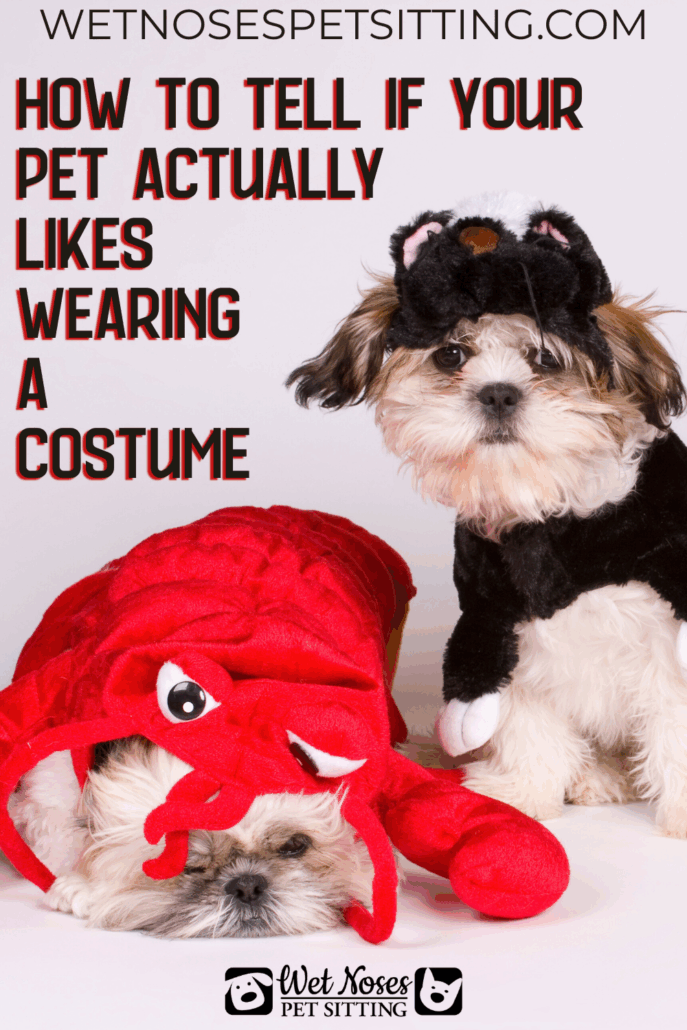
How to Tell if Your Pet Actually Likes Wearing a Costume

How to Tell if Your Pet Actually Likes Wearing a Costume

Dressing up your pet for Halloween or other festive occasions can be adorable and fun, but not every dog or cat enjoys the experience. Costumes should never come at the expense of your pet’s comfort or safety. The key is to learn how to read your pet’s body language and behavior so you can tell if they’re truly enjoying the spotlight, or secretly wishing you’d take the outfit off. So, we’re here with tips on how to tell if your pet actually likes wearing a costume.

Watch Their Body Language

Animals communicate how they’re feeling through subtle cues. If your pet seems relaxed, playful, and comfortable moving around in their costume, that’s a good sign. Look for:

  • A wagging tail or perked-up ears in dogs

  • A cat walking with ease instead of crouching or slinking

  • Comfortable movement without tripping or freezing up

On the other hand, signs of tension include a tucked tail, pinned-back ears, stiff posture, or wide eyes. If your pet looks more like a statue than a superhero, they may not be happy in their outfit.

Notice Stress Signals

Sometimes discomfort shows up in smaller, repeated behaviors. Be on the lookout for:

  • Pawing, scratching, or biting at the costume

  • Excessive licking, yawning, or whining

  • Hiding, refusing to move, or lying down and staying still

These are your pet’s way of saying the costume doesn’t feel good and they’d rather not participate.

Ensure the Costume Fits Properly

Even if your pet doesn’t mind dress-up, the wrong fit can turn the experience into a struggle. Make sure the costume:

  • Isn’t too tight or too loose

  • Doesn’t restrict movement, breathing, or vision

  • Has no small parts that could be chewed off and swallowed

A well-fitted costume helps your pet feel secure instead of restricted.

Keep Sessions Short and Positive

If your pet is new to costumes, start slow. Let them wear the outfit for just a few minutes and reward them with treats and praise. Gradually increase the time only if they seem comfortable. Always supervise them to prevent accidents.

Alternatives for Costume-Shy Pets

If your furry friend just isn’t into costumes, don’t worry. Festive bandanas, bow ties, or themed collars can still give them seasonal flair without causing stress. Sometimes, less is more when it comes to keeping your pet happy.

Final Thoughts

At the end of the day, the best costume is one your pet feels confident and comfortable wearing. Some pets love the extra attention and will happily show off their festive look, while others feel stressed or restricted by clothing. Both reactions are completely normal, it just depends on your pet’s personality.

The most important thing is to honor your pet’s comfort level. If your dog struts proudly in a pumpkin outfit or your cat sits calmly in a witch hat, enjoy the moment. If they’d rather keep things simple with a festive bandana or bow tie, that’s just as special. Halloween should be about creating happy memories together, not forcing a picture-perfect moment.

Discover more pet care insights and safety tips at Wet Noses Pet Sitting.

Fireworks & Fur Babies: Keeping Pets Calm on the 4th of July

The 4th of July is full of fun, parades, cookouts, time with family and friends, and those dazzling fireworks shows we all look forward to. But for our pets? It can be one of the most stressful days of the year.

The loud bangs, flashing lights, and unexpected chaos can leave even the calmest pets feeling anxious or afraid. In fact, more pets go missing around the 4th of July than any other time, many of them scared off by fireworks.

At Wet Noses Pet Sitting, we care deeply about your pets’ well-being, and we’re here to help. Here’s how you can prepare for the holiday and keep your furry friends feeling safe and secure.

Why Fireworks Freak Pets Out

While we know fireworks are harmless (and pretty cool!), our pets don’t understand what’s going on. To them, it’s just loud, unpredictable noise coming from the sky, with no explanation. Dogs and cats often react with:

  • Shaking or hiding

  • Whining, barking, or meowing

  • Pacing or trying to escape

  • Accidents indoors

  • Destructive behavior

Even if your pet has been fine before, anxiety can build over time, especially if they’re left alone or caught off guard.

Simple Ways to Help Your Pet Stay Calm

Here are some easy, effective things you can do to help your pet stay calm when the fireworks start:

1. Create a Safe, Cozy Spot

Pick a quiet room in your home, somewhere your pet already feels comfortable. Add their bed, a few favorite toys, and maybe some soft blankets. Keeping the lights on and playing calming music or white noise can really help.

2. Try Calming Products

There are some great options out there for easing anxiety:

  • Calming treats or chews (ask your vet first!)

  • Pheromone sprays or diffusers

  • CBD products (again, check with your vet to be safe)

Test these a few days ahead of time to see what works best for your pet.

3. Keep Them Indoors

Even if your pet usually loves the backyard, it’s safest to keep them inside when fireworks are going off. Scared pets can jump fences, dig under gates, or break loose from collars.

4. Block Out the Noise

Close the windows and curtains to help muffle the sound and block flashing lights. A fan, TV, or relaxing playlist can create background noise that helps your pet relax.

5. Skip the Fireworks Show (For Your Pet, At Least)

As tempting as it may be to bring your pup to the party, it’s best to leave them home in a safe, familiar place.

6. Check Tags and Microchips

Just in case they manage to get out, make sure their collar has an ID tag and their microchip info is up to date. It’s one of the best ways to help them get home quickly if they run.

Where Pet Sitters Come In

If you’re planning to be out celebrating, a professional pet sitter can make a world of difference. At Wet Noses Pet Sitting, we’re not just stopping by to feed your pet, we’re there to comfort them, stick to their routine, and help them feel secure when the world outside gets loud.

We can:

  • Stay with your pet during fireworks

  • Use calming techniques and products you provide

  • Keep their routine consistent

  • Give you peace of mind with regular updates

Whether you’ll be gone for a few hours or the whole evening, we’re here to help your pet feel less alone and a lot more loved.

 Let’s Make the Holiday Safe for Everyone

We know how much your pets mean to you, they’re part of the family. With a little planning (and maybe a helping paw from your favorite pet sitter), you can keep them safe, calm, and cared for this Independence Day.

From all of us at Wet Noses Pet Sitting, we wish you a happy and peaceful 4th of July!

Want more tips and tricks for the fourth of July festivities? Click here to read our last post!

How to Keep Your Dog Safe in Lakes and Water This Summer

How to Keep Your Dog Safe in Lakes and Water This Summer

There’s nothing better than a summer day at the lake, right? Sun’s out, snacks packed, and your dog is bouncing with excitement to splash around. But before you let your pup cannonball into the water, it’s important to make sure you’re setting them up for a safe (and super fun) time.

Here’s a simple guide to keeping your dog safe around lakes, rivers, and anything else that looks like a good swim spot this summer:

1. Know Your Dog’s Swimming Skills

Not every dog is a natural-born swimmer — and that’s totally okay. Some breeds (like Labs) are basically built for it, while others (like Bulldogs) can struggle. Even if your dog loves the water, always keep an eye on them.

Pro tip: A doggy life jacket isn’t just for beginners. Even strong swimmers can get tired, and a life vest gives them a little extra security — and a cute boating look, too.

2. Pick Your Spot Carefully

Not all water is safe water. Stick to calm, clear areas without a ton of boats or strong currents. And keep an eye out for gross stuff like algae blooms — those can be toxic for dogs (and people).

Quick check: Look for any signs posted about water quality. If the locals are avoiding it, you should too.

3. Watch for Hidden Dangers

Floating sticks, fishing hooks, sharp rocks — lakes can be full of surprises. Stay close enough to spot trouble quickly. And if your dog’s the adventurous type, it’s even more important to keep an eye out.

Good idea: Pack a little first-aid kit and know where the nearest vet is… just in case your day takes an unexpected turn.

4. Don’t Let Them Drink the Lake

It’s hot. Your dog’s thirsty. But drinking lake or river water can lead to some serious tummy trouble (or worse). Bring plenty of fresh water just for them and offer it often.

Heads up: If you see your dog gulping water while they swim, gently redirect them back to shore for a proper drink.

5. Rinse Off After

After your dog’s done living their best life in the water, give them a good rinse with clean water. It’ll help wash away any bacteria, dirt, or algae that could irritate their skin.

Bonus tip: Dry those ears! Wet ears can easily turn into ear infections, especially for floppy-eared pups.

6. Watch for Heatstroke

Yes, even swimming dogs can overheat. If it’s a scorcher outside, make sure your dog gets plenty of shade breaks and fresh water. Look for signs like heavy panting, drooling, or acting wobbly — that’s your cue to call it a day.

When in doubt: If you’re hot, your dog’s even hotter. Keep it chill.

7. Brush Up on Water Commands

“Come,” “stay,” and “leave it” aren’t just cute tricks near the water — they can literally save your dog’s life. Practice ahead of time so you know your dog will listen, even when they’re hyped up.

Hot tip: If your dog’s still working on their recall, a long leash can give them freedom without the risk.


A Few Last Thoughts

There’s something magical about a summer day at the lake with your dog. With just a little extra planning, you can make sure it’s a day full of tail wags, happy splashes, and memories you’ll both love.

Stay safe, have fun — and don’t forget the treats.

Need help finding places to take your dog swimming? Find a list of paw friendly places here! https://karenhoglundphotography.com/blog/dog-swimming-near-denver/

Is Your Dog Suffering from Allergies? A Pet Parent’s Guide to Spotting the Signs

Allergies in dogsAs much as we love our furry friends, they don’t always have the words to tell us when something’s wrong. One common issue dogs face is allergies, which can affect their skin, digestion, or even their respiratory system. Just like humans, dogs can develop allergic reactions to various things, and understanding how to spot these allergies is crucial for their health and comfort. So, how can you tell if your dog has an allergy? Let’s dive into the signs, causes, and what you can do about it!

1. Skin Irritations and Itchy Skin

One of the most common signs of allergies in dogs is itching. If your dog is constantly scratching, biting, or licking themselves—especially in areas like their paws, face, ears, or belly—it could be a sign of an allergic reaction. Allergies to environmental factors, like pollen, dust mites, or mold, as well as food allergies, often manifest as skin irritations. You may notice:

  • Red or inflamed skin
  • Hot spots (sore, moist patches of skin)
  • Hair loss in certain areas
  • Excessive scratching or biting

2. Ear Infections and Head Shaking

If your dog is frequently shaking their head or scratching at their ears, it could be a sign of an allergy affecting their ears. Allergies, especially those triggered by food or environmental factors, can cause inflammation in the ears, leading to infections. Common symptoms of an ear infection include:

  • Dark, smelly discharge from the ears
  • Redness or swelling in the ear canal
  • Increased ear scratching or head shaking

3. Gastrointestinal Issues (Vomiting, Diarrhea)

Food allergies can manifest in digestive issues, such as vomiting, diarrhea, or even excessive gas. If your dog is suddenly experiencing upset stomachs or irregular bowel movements, an allergic reaction to something they’re eating could be the cause. Keep track of any new food you’ve introduced and see if the symptoms correlate with certain meals or treats.

4. Respiratory Issues (Coughing, Sneezing)

In some cases, allergies can also affect your dog’s respiratory system. Environmental allergens like pollen or dust can cause your dog to sneeze, cough, or even develop watery eyes. Watch for:

  • Sneezing fits
  • Coughing
  • Nasal discharge or watery eyes

5. Changes in Behavior or Lethargy

Allergies can also make dogs feel generally unwell. If your dog is acting more tired than usual or seems off, it could be due to the discomfort of an allergic reaction. They may also become irritable or anxious if they’re constantly itchy or experiencing pain.

6. Frequent Paw Licking or Chewing

Dogs that are allergic to something, especially environmental allergens, may lick or chew at their paws to alleviate irritation. If your dog’s paws seem excessively wet or red from constant licking, it’s a good indicator they may be reacting to an allergen.

Common Causes of Dog Allergies

Now that we know the signs, let’s look at the most common allergens that affect dogs:

  • Food Allergies: Dogs can be allergic to ingredients like beef, chicken, grains, or dairy. Food allergies often cause gastrointestinal issues or skin reactions.
  • Environmental Allergies: Just like humans, dogs can suffer from seasonal allergies caused by pollen, grass, or trees. Dust mites, mold, and even certain chemicals in cleaning products can trigger allergic reactions.
  • Flea Allergies: Some dogs are allergic to flea saliva, leading to intense itching and skin infections. This is known as flea allergy dermatitis.
  • Contact Allergies: Certain materials or chemicals, such as certain types of fabric or cleaning products, can cause allergic reactions when your dog comes into contact with them.

What to Do If You Suspect an Allergy

If you suspect your dog has an allergy, it’s always a good idea to consult with your veterinarian. They can help diagnose the cause of the allergy, whether through skin tests, blood tests, or an elimination diet. In the meantime, here are some things you can do to alleviate your dog’s symptoms:

  • Avoid Known Triggers: If you suspect your dog’s allergy is caused by a specific food or environmental allergen, try to eliminate it from their diet or environment.
  • Medications: Your vet may prescribe antihistamines, steroids, or topical treatments to help manage your dog’s symptoms.
  • Flea Control: If fleas are the issue, work with your vet to put a flea prevention plan in place.
  • Regular Bathing: Giving your dog regular baths with a gentle, hypoallergenic dog shampoo can help soothe irritated skin and wash away allergens.

Conclusion

Allergies in dogs can be a tricky thing to navigate, but with careful observation and the right veterinary care, your furry friend can get back to feeling their best. Pay attention to the signs like itching, ear infections, gastrointestinal issues, or respiratory problems, and don’t hesitate to reach out to your vet for advice and treatment. Your dog’s comfort and health are worth the effort!


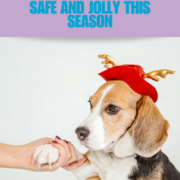
Holiday Hazards- Keeping Your Pets Safe and Jolly This Season

The holiday season is a time of joy and celebration, but, it can also bring hidden dangers for our furry family members. With a little knowledge and preparation, you can ensure your pets stay safe and happy throughout the festivities. Here are some of the most common holiday hazards to be aware of.
Dangerous Foods
Holiday meals fill the air with irresistible aromas, but some festive treats can be dangerous, or even deadly, for our furry friends. Chocolate, for example, contains theobromine, which is toxic to both dogs and cats. Rich, fatty foods like turkey skin and gravy might seem harmless but can lead to pancreatitis. Grapes and raisins are a big no because they can cause kidney failure in dogs. Watch out for xylitol, a common sugar substitute in baked goods and candies, which can trigger severe hypoglycemia or liver failure in pets. To keep your pets safe, ensure all food is out of their reach and kindly remind guests not to sneak them table scraps
Holiday Decorations
Festive decorations bring warmth and charm to your home during the holiday season, but they can also present hidden dangers to curious pets. Tinsel, for example, is particularly enticing to cats but can lead to severe intestinal blockages if ingested. Christmas trees, while beautiful, should be securely anchored to prevent them from toppling over if pets climb or bump into them. Additionally, avoid using water additives in the tree stand, as these can be toxic if consumed. Glass ornaments, though elegant, pose a risk of cuts or ingestion if they shatter. Similarly, lit candles can be hazardous; a wagging tail or curious paw can easily knock them over, potentially causing burns or even fires. To keep your pets safe, consider using pet-friendly decorations and supervise them around holiday decor.
Plants and Flowers
Holiday plants add beauty and tradition to festive decor, but many can be harmful to pets if ingested. Poinsettias, while not highly toxic, can still cause mild irritation to the mouth and stomach. Holly and mistletoe present more serious risks, potentially leading to vomiting, diarrhea, and even cardiovascular issues. Lilies are particularly dangerous for cats, as ingestion can result in severe kidney failure. To keep your pets safe, consider using artificial plants or placing real ones in locations that are completely out of your pets’ reach.
Wrapping Supplies
Gift wrapping is a beloved holiday tradition, but it can pose hidden dangers to pets if precautions aren’t taken. Items like ribbon and string, much like tinsel, can be highly appealing but may cause serious intestinal blockages if swallowed. Adhesives such as tape and glue can also be harmful when ingested, posing risks to a pet’s digestive system. Small toys or batteries, often included with gifts, can be choking hazards or cause internal injuries if chewed or swallowed. To keep your pets safe, promptly clean up all wrapping materials after gifts are opened.
Final Thoughts
The holiday season is a time of joy and celebration for the entire household, including your beloved pets. By staying mindful of potential hazards and taking a few simple precautions, you can create a safe and festive environment for your furry companions.
If you have any questions or concerns about your pet’s safety during the holidays, don’t hesitate to consult your veterinarian. They are your most reliable resource for ensuring your pet’s health and well-being.
Wishing you and your pets a happy, healthy, and stress-free holiday season!

If you don’t have a veterinarian, here is some tips and tricks on how to find one you love! https://wetnosespetsitting.com/how-to-pick-a-vet/

For more information on this topic, here is a great resource: https://www.avma.org/resources-tools/pet-owners/petcare/holiday-pet-safety

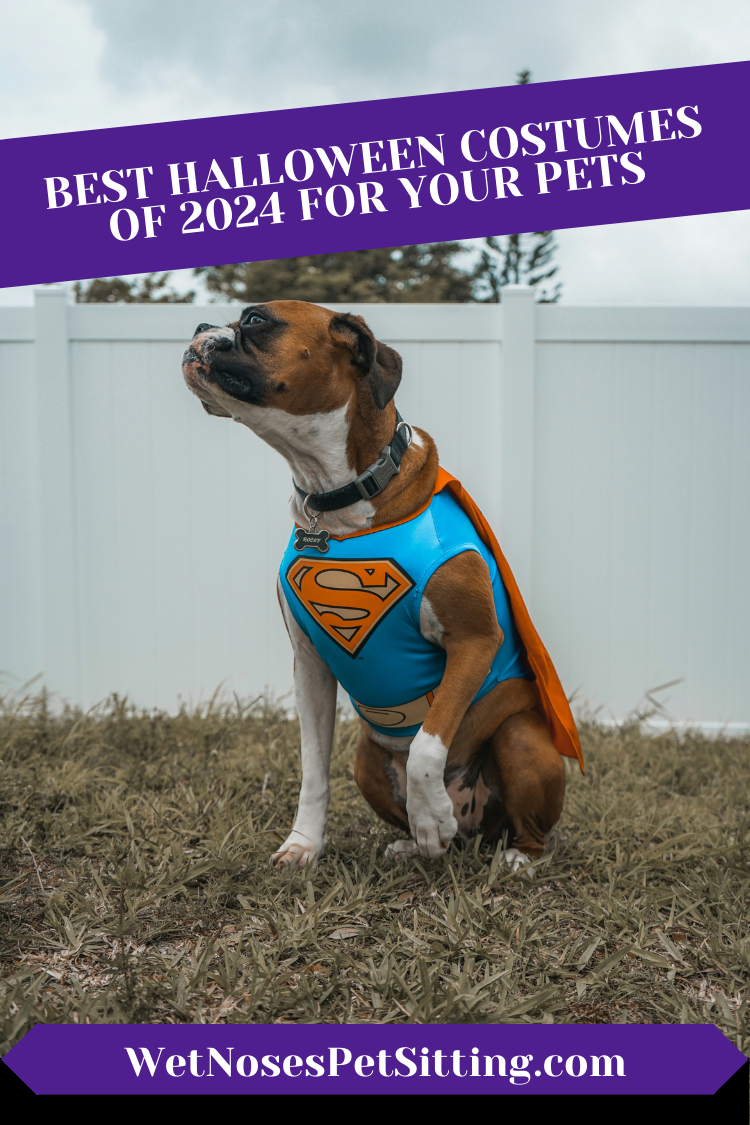
Best Halloween Costumes of 2024 for Your Pets


Halloween is just around the corner, and pet owners everywhere are gearing up with fun, creative costumes for their furry friends. Whether your pet loves the attention or is a bit shy, there’s a costume out there to make this Halloween memorable. Here are some of the top costume ideas of 2024 for dogs, cats, and other pets.

Classic Characters and Movie Themes: This year, costumes inspired by popular movie characters are all the rage. Pets dressed as superheroes, wizards, or iconic villains from trending movies are sure to be a hit. Think of options like a mini superhero cape, a tiny wizard hat, or a clever villain’s outfit. These costumes are not only adorable but also easily recognizable for party-goers and trick-or-treaters alike.

Food-Themed Outfits: If you want a funny, attention-grabbing costume, consider food-themed options. From taco dogs to sushi cats, these costumes bring a lighthearted twist to Halloween celebrations. The best part is that many of these costumes are comfortable and easy for pets to wear, making them a perfect choice if your pet isn’t a fan of elaborate outfits.

DIY Pet Costumes: If you’re feeling crafty, consider creating a DIY costume for your pet. Using simple materials, you can create unique looks that won’t be found in stores. With DIY costumes, you can customize the fit, style, and even incorporate your pet’s unique personality.

Share your tips and experiences in the comments below!

Tips to Keep Your Pets Safe From Theft


Pet theft is a growing concern for many owners, and it’s important to take proactive steps to keep your furry friends safe. Whether you have a dog, cat, or another beloved pet, there are simple ways to protect them from potential threats and ensure their safety.

Microchip Your Pets: One of the best ways to protect your pets is by microchipping them. This provides a permanent form of identification that can help reunite you with your pet if they are ever stolen or go missing. Make sure your contact information is always up to date in the registry.

Secure Your Yard: If your pets 33 time outdoors, ensure that your yard is fully enclosed and secure. High fences and locked gates can deter potential thieves from accessing your property. Always supervise your pets when they are outside to minimize risks.

Stay Vigilant: Keep an eye on your pets at all times, especially in public spaces. Never leave them unattended in cars, outside stores, or in unfenced yards. Taking these steps will help ensure that your pets remain safe and protected from theft.

Share your tips and experiences in the comments below!

Do Cats Get Lonely When You Work All Day? Understanding Feline Independence


Cats are often thought of as independent creatures, but even they can feel lonely when left alone for extended periods. While they may not require constant attention like dogs, many cats do enjoy the company and interaction with their owners. If you work long hours, it’s worth considering how your absence might affect your feline friend.

Signs of Loneliness: Cats may exhibit signs of loneliness in subtle ways, such as increased meowing, over-grooming, or a change in appetite. Some cats may become more reclusive, while others may seek extra attention when you return home. Understanding these signs can help you recognize if your cat needs more companionship.

How to Keep Your Cat Happy: To keep your cat entertained while you’re at work, consider providing enrichment activities like puzzle feeders, interactive toys, and window perches where they can observe the outside world. Creating a stimulating environment can help reduce loneliness and keep your cat content.

Although cats are known for their independence, they can still benefit from companionship. If you suspect your cat is feeling lonely, try to incorporate more interaction into your routine or consider adopting another pet for company.

Share your tips and experiences in the comments below!