How to Tell if Your Pet Actually Likes Wearing a Costume

How to Tell if Your Pet Actually Likes Wearing a Costume

Dressing up your pet for Halloween or other festive occasions can be adorable and fun, but not every dog or cat enjoys the experience. Costumes should never come at the expense of your pet’s comfort or safety. The key is to learn how to read your pet’s body language and behavior so you can tell if they’re truly enjoying the spotlight, or secretly wishing you’d take the outfit off. So, we’re here with tips on how to tell if your pet actually likes wearing a costume.

Watch Their Body Language

Animals communicate how they’re feeling through subtle cues. If your pet seems relaxed, playful, and comfortable moving around in their costume, that’s a good sign. Look for:

  • A wagging tail or perked-up ears in dogs

  • A cat walking with ease instead of crouching or slinking

  • Comfortable movement without tripping or freezing up

On the other hand, signs of tension include a tucked tail, pinned-back ears, stiff posture, or wide eyes. If your pet looks more like a statue than a superhero, they may not be happy in their outfit.

Notice Stress Signals

Sometimes discomfort shows up in smaller, repeated behaviors. Be on the lookout for:

  • Pawing, scratching, or biting at the costume

  • Excessive licking, yawning, or whining

  • Hiding, refusing to move, or lying down and staying still

These are your pet’s way of saying the costume doesn’t feel good and they’d rather not participate.

Ensure the Costume Fits Properly

Even if your pet doesn’t mind dress-up, the wrong fit can turn the experience into a struggle. Make sure the costume:

  • Isn’t too tight or too loose

  • Doesn’t restrict movement, breathing, or vision

  • Has no small parts that could be chewed off and swallowed

A well-fitted costume helps your pet feel secure instead of restricted.

Keep Sessions Short and Positive

If your pet is new to costumes, start slow. Let them wear the outfit for just a few minutes and reward them with treats and praise. Gradually increase the time only if they seem comfortable. Always supervise them to prevent accidents.

Alternatives for Costume-Shy Pets

If your furry friend just isn’t into costumes, don’t worry. Festive bandanas, bow ties, or themed collars can still give them seasonal flair without causing stress. Sometimes, less is more when it comes to keeping your pet happy.

Final Thoughts

At the end of the day, the best costume is one your pet feels confident and comfortable wearing. Some pets love the extra attention and will happily show off their festive look, while others feel stressed or restricted by clothing. Both reactions are completely normal, it just depends on your pet’s personality.

The most important thing is to honor your pet’s comfort level. If your dog struts proudly in a pumpkin outfit or your cat sits calmly in a witch hat, enjoy the moment. If they’d rather keep things simple with a festive bandana or bow tie, that’s just as special. Halloween should be about creating happy memories together, not forcing a picture-perfect moment.

Discover more pet care insights and safety tips at Wet Noses Pet Sitting.

Busting Five Summer Dog Myths

1. Myth: “Dogs sweat through their tongues.”

 Fact: Dogs pant to cool down, but they sweat through their paws.

Unlike humans, dogs don’t have sweat glands distributed across their bodies. Their primary methods of heat regulation are:

  • Panting, which evaporates moisture from the respiratory tract, helping cool their internal temperature. 
  • Sweating through their paw pads, which plays a minor role in thermo-regulation.

Why it matters: Panting alone is not always enough to regulate body temperature, especially during extreme heat. Dogs can quickly overheat in high temperatures or when exercising.

Pet Pro Tip: Provide shaded rest areas, plenty of cool water, and avoid vigorous activity during peak heat hours (10 AM–4 PM). Flat-faced breeds like pugs and bulldogs are even more vulnerable due to compromised airflow.

  1. Myth: “It’s fine to leave a dog in the car if the windows are cracked.”


 Fact: Even with windows cracked, cars become deadly heat traps in minutes.

A parked car can reach dangerous temperatures shockingly fast, even on a 70–75°F day. Within 10 minutes, the interior can exceed 100°F.

  • Dogs can suffer from heatstroke in as little as 10–15 minutes. 
  • Cracking windows provides minimal ventilation and is not enough to offset rising heat. 

Why it matters: Heatstroke in pets can lead to organ failure and death, and it’s entirely preventable.

Pet Pro Tip: Never leave your pet in a parked vehicle, even for a few minutes. If you must run errands, leave pets safely at home or use a pet sitter to ensure they stay cool and cared for.

  1. Myth: “Dogs can tolerate heat better than humans.”

 Fact: Most dogs are actually more sensitive to heat than we are.

While it might seem like their fur provides magical insulation, it can trap heat during high temperatures. Dogs also have limited ways to cool themselves, which puts them at greater risk for overheating.

  • Dogs with dark coats or thick fur retain more heat. 
  • Breeds with short snouts (brachycephalic breeds) have a harder time cooling off. 
  • Dogs cannot release heat through sweating like humans can. 

Why it matters: Misjudging your dog’s heat tolerance can lead to heat exhaustion, dehydration, or worse.

Pet Pro Tip: Keep walks short and choose early morning or late evening outings. Touch pavement with the back of your hand, if it’s too hot for you, it’s too hot for paws.

  1. Myth: “Ice cubes or cold water can cause bloating in dogs.”

Fact: Cold water or ice is not dangerous, rapid gulping is.

The concern about cold water causing bloat, a serious condition where a dog’s stomach twists, is not supported by scientific evidence. The real risk factor is how fast a dog drinks, not the temperature of the water.

Why it matters: Denying your dog cold water during hot weather could lead to dehydration, which is far more dangerous.

Pet Pro Tip: Allow your dog to rest and cool down before offering water after vigorous exercise. If they’re very thirsty, offer water in smaller amounts over time.

  1. Myth: “All dogs love to swim, and they’ll figure it out on their own.”

Fact: Not all dogs are natural swimmers, and many need guidance or support.

While breeds like retrievers may take to water naturally, others (e.g., bulldogs, dachshunds, or greyhounds) may struggle due to body structure or fear of water.

  • Drowning risk is real, even in backyard pools. 
  • Fast currents, unfamiliar water, or exhaustion can affect even strong swimmers.

Why it matters: Forcing a dog into the water or assuming they’ll swim well without supervision can result in accidents.

Pet Pro Tip: Introduce dogs to water gradually and use canine life jackets, especially for boating or unfamiliar water. Always supervise your pet around any body of water.

Final Takeaway:

Summer safety starts with facts. Understanding how your pet’s body works, and what puts them at risk , helps you make better decisions during the hottest months. Whether you’re staying home or heading out for summer fun, proper planning can keep your pets cool, safe, and happy.

If you’re traveling or working long hours this summer, we’re here to help with reliable, loving care that keeps tails wagging while you’re away!

Too Hot to Handle! How to Spot and Prevent Heatstroke in Dogs and Cats

As summer temperatures climb, so does the risk of heatstroke in pets. Dogs and cats are especially vulnerable to overheating due to their limited ability to cool themselves. Whether it’s during a sunny walk, a car ride, or simply lounging outdoors, knowing how to recognize and respond to heatstroke is crucial for every pet parent.

At Wet Noses Pet Sitting, we prioritize your pet’s safety, especially during the hot summer months. Here’s what every pet owner should know.

What Is Heatstroke in Pets?

Heatstroke (also called heat exhaustion) occurs when a pet’s internal temperature exceeds safe levels, typically above 103°F (39.4°C). Unlike humans, pets cannot sweat efficiently. They rely on panting and sweating through their paw pads, but these methods are often not enough during extreme heat or strenuous activity.

If left untreated, heatstroke can lead to organ failure, brain damage, or even death, making early recognition and intervention absolutely critical.

Warning Signs of Heatstroke

In Dogs:

  • Rapid, excessive panting

  • Thick drooling

  • Bright red tongue or gums

  • Vomiting or diarrhea

  • Glazed or unfocused eyes

  • Stumbling or collapse

  • Lethargy or unresponsiveness

In Cats:

  • Rapid breathing or open-mouth panting (rare but serious)

  • Vomiting or drooling

  • Weakness, trembling, or loss of coordination

  • High heart rate

  • Hiding or sudden lethargy

What to Do:
If you suspect heatstroke, act quickly:

  • Move your pet to a shaded or air-conditioned area

  • Offer small amounts of cool (not cold) water

  • Wet them gently with cool water (not ice-cold)

  • Call your veterinarian or an emergency vet clinic immediately

 Common High-Risk Situations

Certain situations make heatstroke more likely:

  • Hot Vehicles: Never leave a pet in a parked car. Even a few minutes can be fatal.

  • Midday Walks: Sidewalks can become extremely hot and burn paw pads.

  • Poor Ventilation: Garages, sheds, or sunrooms can trap heat and become dangerous.

  • Lack of Shade/Water: Outdoor pets need access to cool, shaded areas and clean water at all times.

  • Flat-faced (brachycephalic) breeds: Bulldogs, Pugs, Boxers, Persians, and similar breeds are more prone to overheating due to restricted airways.

 Top Tips to Prevent Heatstroke

  1. Time Your Walks Wisely
    Walk early in the morning or later in the evening to avoid the hottest parts of the day.

  2. Provide Constant Hydration
    Keep water bowls full at home and on the go. Add ice cubes to help keep it cool.

  3. Avoid Hot Cars Completely
    Never leave your pet in a vehicle—even with windows cracked.

  4. Create a Cool Environment
    Use fans, air conditioning, cooling mats, and damp towels. Ensure your pet always has access to shade.

  5. Groom Smartly
    Brush regularly to remove excess fur and mats. Some breeds benefit from a summer trim, but check with your vet before shaving, fur often provides protection from heat and sun.

We’re Here to Help

Whether your pet is staying with us for a weekend or getting a mid-day walk, Wet Noses Pet Sitting takes every precaution to keep them safe from the heat. Our team is trained to monitor for early signs of heat exhaustion and take immediate action if needed.

Need help planning a summer care routine? Have concerns about how your pet is handling the heat? Don’t hesitate to reach out, we’re always just a paw away.

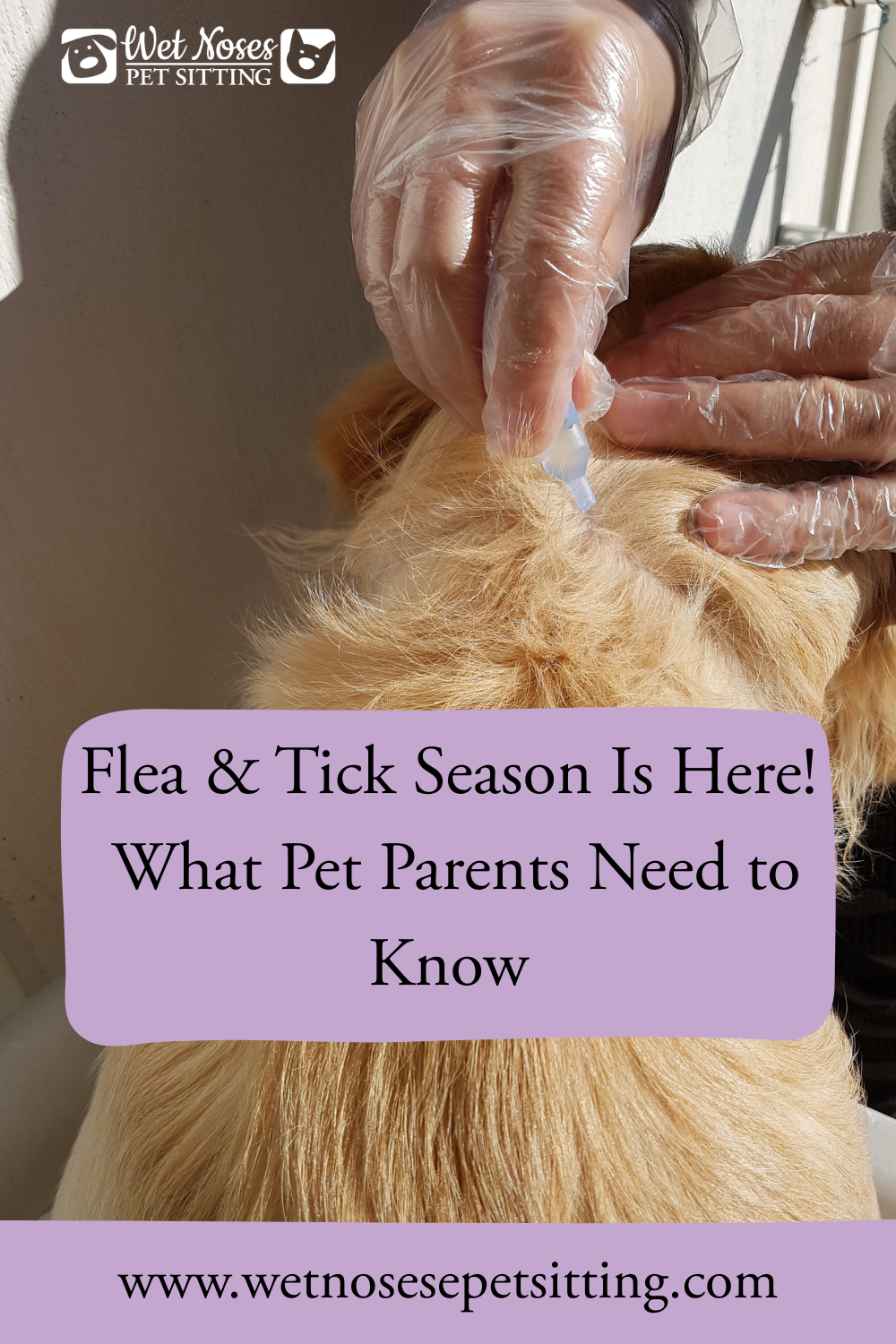
Flea & Tick Season Is Here! What Pet Parents Need to Know

Flea & Tick Season Is Here! What Pet Parents Need to Know

As temperatures rise, so does the activity of two of the most common parasites affecting dogs and cats: fleas and ticks. Spring and summer mark the beginning of peak season for these pests, and early prevention is the best way to avoid infestations and serious health risks.

Whether you’re a longtime pet parent or new to the game, understanding how fleas and ticks operate — and how to prevent them — is key to keeping your pet safe and healthy.

What Are Fleas and Ticks?

Fleas are small, wingless insects that feed on blood. They reproduce rapidly and can infest not just your pet, but your home — including carpets, bedding, and furniture. A single female flea can lay up to 50 eggs per day.

Ticks are arachnids (related to spiders) that latch onto their host to feed. They are known carriers of several diseases, some of which can affect both animals and humans.

Why Fleas and Ticks Are Dangerous

Fleas and ticks are more than just a nuisance — they can cause a range of health problems:

Flea-Related Issues:

  • Flea allergy dermatitis (FAD): An allergic reaction to flea saliva that causes intense itching and skin infections.

  • Tapeworms: Pets can become infected after swallowing a flea carrying tapeworm larvae.

  • Anemia: Especially in puppies and kittens, severe flea infestations can lead to dangerous blood loss.

Tick-Transmitted Diseases:

  • Lyme disease: A bacterial infection that can cause fever, lameness, joint swelling, and lethargy.

  • Ehrlichiosis: Causes similar symptoms and can result in more serious blood and immune system complications.

  • Rocky Mountain spotted fever: A severe disease that affects both dogs and humans.

When and Where Fleas and Ticks Are Most Active

Fleas and ticks thrive in warm, humid environments, making late spring through early fall the most active period in most regions.

They are commonly found in:

  • Tall grass, wooded areas, or brush

  • Leaf litter and shaded outdoor spaces

  • Urban parks, backyards, and even on other animals

It’s important to note that fleas can survive indoors year-round if conditions are right — especially in warmer climates or heated homes.

Prevention: What Every Pet Owner Should Do

1. Use a Vet-Recommended Preventive Treatment

There are several types of flea and tick preventives available:

  • Topical treatments (applied monthly)

  • Oral medications (monthly or quarterly)

  • Flea and tick collars (can last several months)

Consult your veterinarian to determine the most appropriate solution based on your pet’s age, health, and lifestyle.

2. Inspect Your Pet Regularly

After walks, hikes, or outdoor play, do a thorough check:

  • Focus on the ears, neck, armpits, between the toes, and under the tail.

  • Ticks feel like small, firm bumps attached to the skin.

  • Flea droppings (or “flea dirt”) appear as tiny black specks.

3. Maintain Your Yard

  • Keep grass mowed and bushes trimmed.

  • Remove leaf piles and debris where pests can hide.

  • Consider professional yard treatments if you live in a high-risk area.

4. Clean Indoor Spaces

  • Vacuum carpets and upholstery regularly.

  • Wash pet bedding and soft toys weekly in hot water.

  • Treat your home if signs of an infestation appear.

Final Thoughts

Flea and tick season doesn’t have to be stressful. With consistent prevention, regular checks, and a little help from your pet care team, your dog or cat can enjoy the warmer months safely.

If you have travel plans or a busy schedule this spring and summer, make sure your sitter is up-to-date on your pet’s flea and tick prevention routine — we’re happy to help!

Have questions or need help coordinating care? Contact Wet Noses Pet Sitting, we’re always here to support you and your pets.

How to Keep Your Dog Safe in Lakes and Water This Summer

How to Keep Your Dog Safe in Lakes and Water This Summer

There’s nothing better than a summer day at the lake, right? Sun’s out, snacks packed, and your dog is bouncing with excitement to splash around. But before you let your pup cannonball into the water, it’s important to make sure you’re setting them up for a safe (and super fun) time.

Here’s a simple guide to keeping your dog safe around lakes, rivers, and anything else that looks like a good swim spot this summer:

1. Know Your Dog’s Swimming Skills

Not every dog is a natural-born swimmer — and that’s totally okay. Some breeds (like Labs) are basically built for it, while others (like Bulldogs) can struggle. Even if your dog loves the water, always keep an eye on them.

Pro tip: A doggy life jacket isn’t just for beginners. Even strong swimmers can get tired, and a life vest gives them a little extra security — and a cute boating look, too.

2. Pick Your Spot Carefully

Not all water is safe water. Stick to calm, clear areas without a ton of boats or strong currents. And keep an eye out for gross stuff like algae blooms — those can be toxic for dogs (and people).

Quick check: Look for any signs posted about water quality. If the locals are avoiding it, you should too.

3. Watch for Hidden Dangers

Floating sticks, fishing hooks, sharp rocks — lakes can be full of surprises. Stay close enough to spot trouble quickly. And if your dog’s the adventurous type, it’s even more important to keep an eye out.

Good idea: Pack a little first-aid kit and know where the nearest vet is… just in case your day takes an unexpected turn.

4. Don’t Let Them Drink the Lake

It’s hot. Your dog’s thirsty. But drinking lake or river water can lead to some serious tummy trouble (or worse). Bring plenty of fresh water just for them and offer it often.

Heads up: If you see your dog gulping water while they swim, gently redirect them back to shore for a proper drink.

5. Rinse Off After

After your dog’s done living their best life in the water, give them a good rinse with clean water. It’ll help wash away any bacteria, dirt, or algae that could irritate their skin.

Bonus tip: Dry those ears! Wet ears can easily turn into ear infections, especially for floppy-eared pups.

6. Watch for Heatstroke

Yes, even swimming dogs can overheat. If it’s a scorcher outside, make sure your dog gets plenty of shade breaks and fresh water. Look for signs like heavy panting, drooling, or acting wobbly — that’s your cue to call it a day.

When in doubt: If you’re hot, your dog’s even hotter. Keep it chill.

7. Brush Up on Water Commands

“Come,” “stay,” and “leave it” aren’t just cute tricks near the water — they can literally save your dog’s life. Practice ahead of time so you know your dog will listen, even when they’re hyped up.

Hot tip: If your dog’s still working on their recall, a long leash can give them freedom without the risk.


A Few Last Thoughts

There’s something magical about a summer day at the lake with your dog. With just a little extra planning, you can make sure it’s a day full of tail wags, happy splashes, and memories you’ll both love.

Stay safe, have fun — and don’t forget the treats.

Need help finding places to take your dog swimming? Find a list of paw friendly places here! https://karenhoglundphotography.com/blog/dog-swimming-near-denver/

St. Patrick’s Day Pet Hazards

St. Patrick’s Day Pet Hazards: How to Keep Your Furry Friends Safe

St. Patrick’s Day is all about celebrating with parades, parties, food, and, of course, plenty of green! While it’s a fun and festive time for us, our furry friends may not be aware of the dangers lurking in the celebrations. From potentially harmful foods to dangerous decorations, St. Patrick’s Day can present a variety of hazards for pets.

As a responsible pet owner, it’s important to be aware of these risks and take the necessary precautions to ensure your pets stay safe. In this blog post, we’ll dive into some of the most common St. Patrick’s Day pet hazards and share tips on how to protect your pets during the festivities.

1. Toxic Foods and Treats

One of the biggest risks during St. Patrick’s Day is the food. Whether you’re cooking up a big meal or indulging in some holiday sweets, many of the foods we enjoy are toxic to pets. Here’s a look at some of the most common St. Patrick’s Day foods that can harm your furry friends:

  • Chocolate: Chocolate is a well-known toxin for dogs and cats. Even small amounts can cause vomiting, diarrhea, rapid breathing, seizures, and in extreme cases, death. Chocolate desserts and candy are often popular around St. Patrick’s Day, so keep them well out of your pet’s reach.

  • Alcohol: Many St. Patrick’s Day celebrations involve drinking, but alcohol can be very dangerous for pets. Dogs and cats are much more sensitive to alcohol than humans. Even a small amount can cause symptoms like vomiting, diarrhea, breathing difficulties, and in severe cases, coma or death. Keep drinks safely out of your pet’s reach.

  • Onions and Garlic: Many traditional dishes like corned beef and cabbage may contain onions or garlic, both of which are toxic to pets. These ingredients can cause gastrointestinal issues and damage red blood cells, leading to anemia. Avoid sharing these foods with your pets.

  • Fatty Foods: Rich, fatty foods like butter, gravy, and fatty cuts of meat can cause pancreatitis in pets. This condition is painful and can lead to serious health problems if not treated quickly. It’s best to stick to your pet’s regular food during holiday meals.

2. Hazardous Decorations

St. Patrick’s Day decorations, while fun and festive, can be a hazard to pets. Items like fake shamrocks, ribbons, streamers, and tinsel can be tempting for pets to chew on, but they can pose a choking hazard or cause blockages in their digestive system. Here’s what to look out for:

  • Tinsel and Streamers: These shiny decorations might look harmless, but if ingested, they can cause severe digestive issues and may even require surgery to remove. Keep them out of reach of pets and opt for safer decorations instead.

  • Shamrocks and Plants: While shamrocks are a symbol of St. Patrick’s Day, certain plants can be toxic to pets. For instance, while the true shamrock (Oxalis) is generally safe, some varieties of the plant can cause digestive upset. Also, be cautious with any festive plants you bring into the house, such as lilies, which are toxic to cats.

  • Glow Sticks: Glow sticks are popular for their vibrant green colors, but they contain chemicals that can be harmful to pets if they chew on them. If a pet bites into a glow stick, the chemicals inside can cause irritation, drooling, and discomfort. If you’re using glow sticks for your decorations, make sure they are out of your pet’s reach.

3. Stress from Noise and Crowds

St. Patrick’s Day parades, parties, and fireworks can be a lot of fun for humans, but they can be a source of stress and anxiety for pets. The loud noises and large crowds can overwhelm pets, especially those that are already prone to anxiety. Here are some things to keep in mind:

  • Loud Noises: Fireworks and parades with loud music or marching bands can startle and frighten pets. If your pet is scared by loud noises, it’s best to keep them inside in a quiet, secure room. You can also use calming music or a white noise machine to drown out the sounds.

  • Large Crowds: If you’re taking your pet to a parade or gathering, be aware of how they react to large crowds. Some pets may feel overwhelmed by the hustle and bustle, so it’s a good idea to keep them on a short leash or even consider leaving them at home for their safety and comfort.

4. Overindulgence in Treats

It’s easy to be tempted to give your pet some extra treats on holidays like St. Patrick’s Day, but overindulgence can lead to health problems. Giving your pet too many treats or letting them sample table scraps can lead to upset stomachs, vomiting, diarrhea, or weight gain.

If you want to give your pet a special treat for St. Patrick’s Day, make sure it’s something pet-friendly and safe, such as a dog-safe green biscuit or a catnip toy. Always check with your vet before introducing new foods into your pet’s diet.

5. Costumes and Accessories

St. Patrick’s Day is all about fun outfits and costumes, but not every pet enjoys wearing them. Some pets may find costumes uncomfortable or restrictive, leading to stress or even injury if they try to escape from the outfit. If you plan to dress up your pet for the occasion, follow these tips:

  • Ensure Comfort: Make sure the costume is well-fitted and doesn’t restrict your pet’s movement. Avoid anything that covers their eyes, ears, or mouth, as this can cause distress.
  • Safety First: Check for small parts or accessories (like buttons or beads) that could be chewed off and swallowed. Always supervise your pet if they’re wearing a costume.

6. Pet Identification

With all the excitement of St. Patrick’s Day events, there’s always the possibility your pet could slip out the door during a moment of distraction. Make sure your pet’s identification is up-to-date with a collar tag or microchip. If you’re traveling with your pet, ensure they’re safely secured in a pet carrier or on a leash to avoid getting lost.

Conclusion: Have a Safe and Festive St. Patrick’s Day

St. Patrick’s Day is a time for celebration, but it’s important to keep your pets’ health and safety top of mind. By being aware of the hazards that come with the holiday and taking the necessary precautions, you can enjoy the festivities while keeping your furry friends out of harm’s way.

Remember, the best way to celebrate St. Patrick’s Day with your pet is by providing them with a safe, fun, and stress-free environment. With a little planning and awareness, both you and your pets can have a fantastic holiday together. Happy St. Patrick’s Day to you and your furry companions!

The Benefits of Pet Sitting vs. Boarding: Which is Right for Your Pet?

When it comes time to travel, many pet owners face a tough decision: Should you hire a pet sitter to care for your furry friend at home, or should you board them at a facility? Both options have their advantages, but the right choice for your pet depends on a number of factors. Let’s explore the benefits of pet sitting and boarding, and help you decide which option is best for your pet.
What is Pet Sitting?

Pet sitting involves hiring a professional to care for your pet in the comfort of your own home. Pet sitters provide daily visits, overnight stays, and ensure that your pet’s routine is maintained while you’re away. They offer personalized care tailored to your pet’s specific needs, from walks and playtime to administering medication.

What is Boarding?

Boarding, also known as kennel care, is when your pet stays at a facility designed to house animals while their owners are away. These facilities typically offer group or individual accommodations, along with meals, walks, and playtime. Some boarding facilities also offer grooming services or specialized care for pets with unique needs.

Benefits of Pet Sitting

  1. Comfort of Home
    One of the biggest advantages of pet sitting is that your pet gets to stay in their own environment. This is particularly beneficial for pets that are anxious about change or unfamiliar surroundings. Being in their own home with familiar smells, sights, and sounds can reduce stress and help your pet feel more secure.

  2. Personalized Care
    Pet sitters can cater to your pet’s unique needs, whether it’s a special diet, medication, or extra playtime. They’re also more likely to follow your pet’s usual routine, which can help prevent any disruptions in behavior or well-being. This one-on-one attention can be invaluable, especially for pets that need extra TLC or have medical conditions.

  3. Less Exposure to Illness
    Boarding facilities often house many animals at once, which can increase the risk of your pet coming into contact with illnesses or parasites. By opting for pet sitting, your pet avoids the possibility of exposure to other animals, keeping them healthier and more comfortable.

  4. No Need for Transportation
    If you’re boarding your pet, you’ll need to arrange for transportation to and from the facility. This can be stressful for both you and your pet, especially if they’re not used to car rides or being in a kennel environment. With a pet sitter, you don’t have to worry about that, as the sitter comes to your home.

  5. Peace of Mind for You
    When you hire a pet sitter, you can communicate directly with them during your trip, receiving updates, photos, and videos of your pet. This can give you peace of mind, knowing that your pet is being well taken care of and is happy in their familiar surroundings.

Benefits of Boarding

  1. 24/7 Supervision
    Boarding facilities often have staff on-site at all hours, which can provide an extra layer of security for pets that need constant attention. If your pet is prone to getting into trouble or needs regular monitoring, a boarding facility may be better equipped to handle that.

  2. Socialization Opportunities
    For pets that enjoy the company of other animals, boarding can provide a social experience. Many facilities have play areas where dogs can interact with other dogs, which can be a great opportunity for pets that thrive in group settings. However, this depends on the pet’s temperament and the policies of the facility.

  3. More Structured Environment
    If you’re looking for a more regimented environment, boarding may be the better option. Facilities often have set schedules for feeding, exercise, and rest, which can be beneficial for pets that do well with structure.

  4. Emergency Medical Care
    Some boarding facilities have on-site veterinary care or staff trained in handling medical emergencies, which can be an important consideration if your pet has special medical needs. While pet sitters can also administer medication, boarding facilities often have quicker access to professional medical help in case of an emergency.

  5. Convenience
    For some pet owners, the convenience of dropping off their pet at a boarding facility makes it an appealing option. You can simply drop your pet off on your way to the airport or on the day you leave for a trip, without needing to coordinate care at home.

Which Is Right for Your Pet?

When choosing between pet sitting and boarding, consider the following factors:

  1. Your Pet’s Personality: Does your pet get anxious or stressed easily? If so, pet sitting in the comfort of their own home may be the better choice. On the other hand, some pets thrive in social settings and enjoy meeting new animals, making boarding a good option for them.
  2. Your Pet’s Health: If your pet has specific medical needs or requires medication, pet sitting may allow for more personalized care. However, if your pet needs constant supervision or emergency medical care, boarding facilities with veterinary services may be a better fit.
  3. Your Travel Plans: Think about the duration of your trip and the level of care your pet requires. If you’re going away for a long period and need someone to stay overnight with your pet, a pet sitter might be the better option. If you’re only gone for a short time and your pet is comfortable being in a more structured environment, boarding could work.
  4. Budget: Pet sitting is often more expensive than boarding, especially for extended stays. Consider your budget and determine which option provides the best value for the level of care your pet needs.

Conclusion

Both pet sitting and boarding offer distinct benefits, and the right choice depends on your pet’s temperament, health, and your personal preferences. Pet sitting provides a more personalized, stress-free experience in your pet’s familiar surroundings, while boarding can offer structured care and 24/7 supervision. No matter which option you choose, it’s important to ensure that your pet’s needs are met and that they’re in the best possible hands while you’re away.

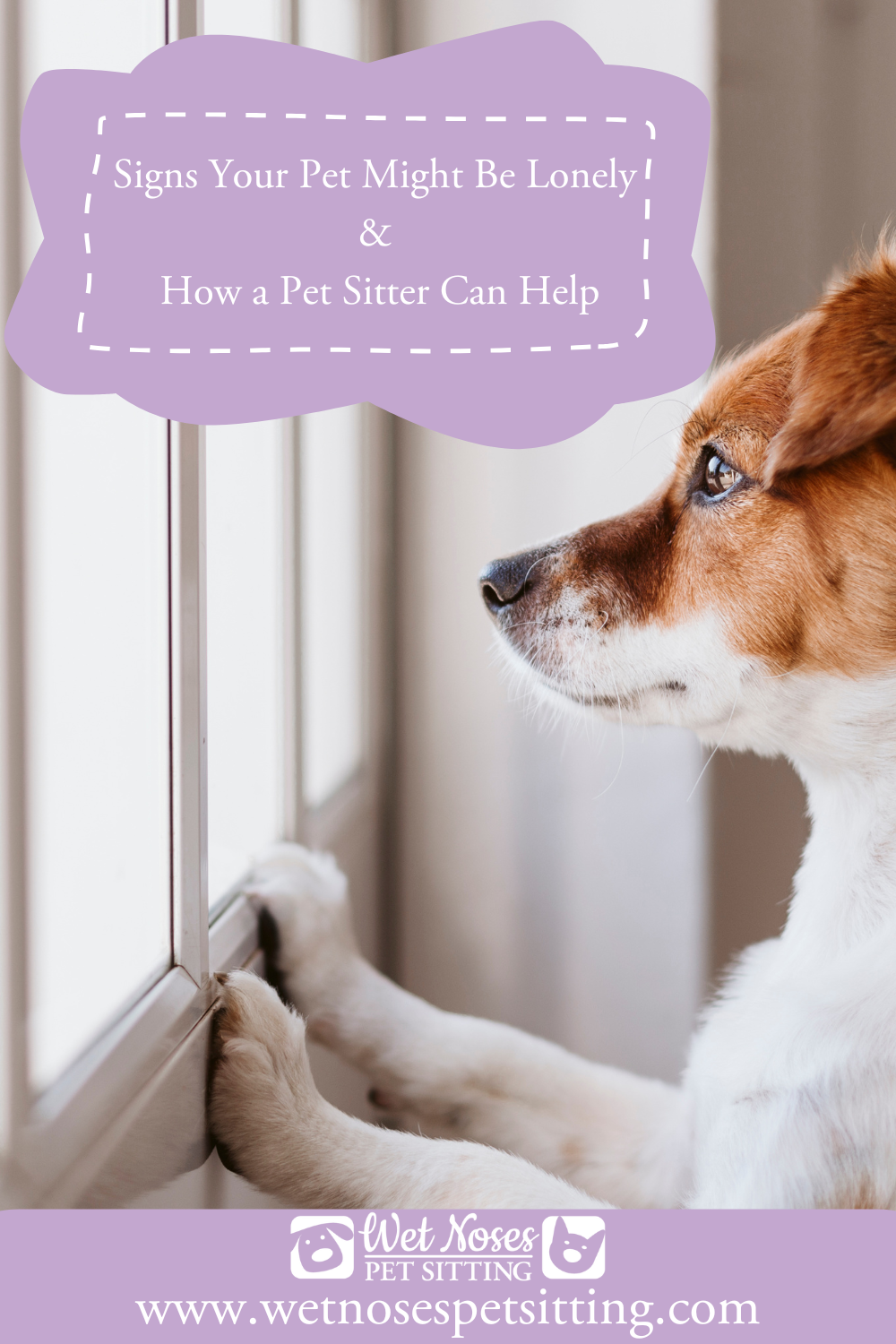
Signs Your Pet Might Be Lonely & How a Pet Sitter Can Help

Signs Your Pet Might Be Lonely & How a Pet Sitter Can Help

As pet owners, we know how much joy our furry friends bring into our lives. However, when our schedules get busier, or we need to be away from home for a while, our pets can feel the effects of our absence. Animals, just like humans, can experience loneliness. Understanding the signs that your pet might be lonely is essential to ensuring their well-being, and having the right support—like a pet sitter—can make all the difference.

Signs Your Pet Might Be Lonely
Excessive Whining or Howling If your dog or cat is suddenly more vocal when you’re not home, this can be a sign of loneliness. While some pets do vocalize naturally, constant whining, crying, or howling, especially when they notice you’re leaving, can indicate that they are seeking your attention and companionship.

Destructive Behavior

Lonely pets often act out when they’re feeling isolated. Dogs might chew on furniture, shoes, or even your personal items, while cats could scratch furniture or knock things over. This destructive behavior is their way of dealing with anxiety or boredom from being left alone.

Excessive Sleeping

While it’s normal for pets to sleep a lot, an unusually long nap can be a sign that your pet is feeling down. When pets are lonely, they may retreat into their sleeping space to avoid feeling sad or stressed. If they seem to sleep excessively during the day or night, it could be due to isolation.

Loss of Appetite

A sudden loss of interest in food can indicate that your pet is feeling emotionally down. Stress and loneliness can affect their eating habits. They might not eat as much or show a lack of enthusiasm about their meals when they’re feeling lonely.

Changes in Behavior

Pets that are normally affectionate might suddenly become distant or, on the flip side, excessively clingy when you’re around. Loneliness can cause them to act out in ways that are uncharacteristic of their normal behavior.

Lack of Energy or Interest in Play

If your pet is normally playful but suddenly shows no interest in activities, toys, or walks, this could be a clear sign of loneliness. Without interaction or companionship, pets can become apathetic and disinterested in things they once loved.

How a Pet Sitter Can Help
Hiring a pet sitter can be a game-changer for your lonely pet. Here’s how a professional pet sitter can alleviate their feelings of isolation:

Regular Interaction

Pet sitters provide consistent companionship when you’re not around. Whether they’re spending time playing, cuddling, or simply talking to your pet, the regular attention will help reduce loneliness and anxiety. Your pet will appreciate the human interaction, especially if you’re gone for an extended period.

Maintaining Their Routine

Pets thrive on routine. A pet sitter can ensure your pet continues to follow their usual schedule for meals, walks, and playtime, helping maintain a sense of normalcy. Keeping these routines intact reduces stress and makes them feel more secure.

Exercise and Mental Stimulation

Loneliness often leads to boredom, which can exacerbate destructive behavior. A pet sitter can take your dog for walks or play with your cat, providing much-needed physical exercise and mental stimulation. This engagement helps keep their minds sharp and their spirits up.

Reducing Separation Anxiety

If your pet suffers from separation anxiety, a pet sitter can ease the transition by being present when you’re not. With a sitter checking in regularly, your pet may feel more comfortable in your absence, as they learn that they’re not alone and that someone they trust is there to look after them.

Increased Comfort for You and Your Pet

Knowing that your pet is being cared for by a trusted professional can ease your own anxiety when you’re away. Whether it’s for a short trip or a long workday, you can rest easy knowing your pet is in capable hands. This not only benefits your pet’s emotional health but also strengthens your bond with them when you return.

Emergency Care

In cases where your pet needs medical attention or extra care, a pet sitter can provide immediate help, making sure your pet is safe and comfortable. Their presence can be particularly valuable if your pet requires medication or special care that a neighbor or friend may not be able to provide.

Final Thoughts
Loneliness can significantly affect a pet’s mental and physical well-being, so it’s important to recognize the signs early and take steps to alleviate their distress. If you notice your pet exhibiting signs of loneliness, hiring a professional pet sitter can help provide the companionship, care, and structure they need to thrive in your absence.

Whether you’re away for a few hours, a weekend, or longer, a pet sitter can make all the difference in ensuring that your pet feels loved, happy, and safe until you return. After all, your pet’s happiness is worth the effort.

Here are some other good reads about pet lonliness, https://wetnosespetsitting.com/do-cats-get-lonely-when-you-work-all-day-understanding-feline-independence/


Is Your Dog Suffering from Allergies? A Pet Parent’s Guide to Spotting the Signs

Allergies in dogsAs much as we love our furry friends, they don’t always have the words to tell us when something’s wrong. One common issue dogs face is allergies, which can affect their skin, digestion, or even their respiratory system. Just like humans, dogs can develop allergic reactions to various things, and understanding how to spot these allergies is crucial for their health and comfort. So, how can you tell if your dog has an allergy? Let’s dive into the signs, causes, and what you can do about it!


1. Skin Irritations and Itchy Skin

One of the most common signs of allergies in dogs is itching. If your dog is constantly scratching, biting, or licking themselves—especially in areas like their paws, face, ears, or belly—it could be a sign of an allergic reaction. Allergies to environmental factors, like pollen, dust mites, or mold, as well as food allergies, often manifest as skin irritations. You may notice:

  • Red or inflamed skin
  • Hot spots (sore, moist patches of skin)
  • Hair loss in certain areas
  • Excessive scratching or biting

2. Ear Infections and Head Shaking

If your dog is frequently shaking their head or scratching at their ears, it could be a sign of an allergy affecting their ears. Allergies, especially those triggered by food or environmental factors, can cause inflammation in the ears, leading to infections. Common symptoms of an ear infection include:

  • Dark, smelly discharge from the ears
  • Redness or swelling in the ear canal
  • Increased ear scratching or head shaking

3. Gastrointestinal Issues (Vomiting, Diarrhea)

Food allergies can manifest in digestive issues, such as vomiting, diarrhea, or even excessive gas. If your dog is suddenly experiencing upset stomachs or irregular bowel movements, an allergic reaction to something they’re eating could be the cause. Keep track of any new food you’ve introduced and see if the symptoms correlate with certain meals or treats.

4. Respiratory Issues (Coughing, Sneezing)

In some cases, allergies can also affect your dog’s respiratory system. Environmental allergens like pollen or dust can cause your dog to sneeze, cough, or even develop watery eyes. Watch for:

  • Sneezing fits
  • Coughing
  • Nasal discharge or watery eyes

5. Changes in Behavior or Lethargy

Allergies can also make dogs feel generally unwell. If your dog is acting more tired than usual or seems off, it could be due to the discomfort of an allergic reaction. They may also become irritable or anxious if they’re constantly itchy or experiencing pain.

6. Frequent Paw Licking or Chewing

Dogs that are allergic to something, especially environmental allergens, may lick or chew at their paws to alleviate irritation. If your dog’s paws seem excessively wet or red from constant licking, it’s a good indicator they may be reacting to an allergen.

Common Causes of Dog Allergies

Now that we know the signs, let’s look at the most common allergens that affect dogs:

  • Food Allergies: Dogs can be allergic to ingredients like beef, chicken, grains, or dairy. Food allergies often cause gastrointestinal issues or skin reactions.
  • Environmental Allergies: Just like humans, dogs can suffer from seasonal allergies caused by pollen, grass, or trees. Dust mites, mold, and even certain chemicals in cleaning products can trigger allergic reactions.
  • Flea Allergies: Some dogs are allergic to flea saliva, leading to intense itching and skin infections. This is known as flea allergy dermatitis.
  • Contact Allergies: Certain materials or chemicals, such as certain types of fabric or cleaning products, can cause allergic reactions when your dog comes into contact with them.

What to Do If You Suspect an Allergy

If you suspect your dog has an allergy, it’s always a good idea to consult with your veterinarian. They can help diagnose the cause of the allergy, whether through skin tests, blood tests, or an elimination diet. In the meantime, here are some things you can do to alleviate your dog’s symptoms:

  • Avoid Known Triggers: If you suspect your dog’s allergy is caused by a specific food or environmental allergen, try to eliminate it from their diet or environment.
  • Medications: Your vet may prescribe antihistamines, steroids, or topical treatments to help manage your dog’s symptoms.
  • Flea Control: If fleas are the issue, work with your vet to put a flea prevention plan in place.
  • Regular Bathing: Giving your dog regular baths with a gentle, hypoallergenic dog shampoo can help soothe irritated skin and wash away allergens.

Conclusion

Allergies in dogs can be a tricky thing to navigate, but with careful observation and the right veterinary care, your furry friend can get back to feeling their best. Pay attention to the signs like itching, ear infections, gastrointestinal issues, or respiratory problems, and don’t hesitate to reach out to your vet for advice and treatment. Your dog’s comfort and health are worth the effort!


Frosty Paws, Warm Care: Cold-Weather Walking Tips from Your Trusted Pet Sitters


When walking your dog in cold weather, it’s essential to take precautions to ensure their safety and comfort. Here are some key steps you can take:

1. Protect Their Paws

  • Dog Boots: Use boots to protect their paws from cold surfaces, snow, and salt that can irritate or injure them.
  • Paw Balm: Apply paw wax or balm before and after the walk to prevent cracking or dryness.
  • Post-Walk Care: Wipe their paws after walks to remove ice, snow, and chemicals.

2. Dress for Warmth

  • Coats or Sweaters: Short-haired or small breeds may need a dog coat or sweater for insulation.
  • Reflective Gear: Use reflective clothing or leashes for visibility during shorter daylight hours.

3. Adjust Walk Duration

  • Shorter Walks: Limit time outdoors if temperatures are dangerously low. Opt for multiple short walks instead of one long one.
  • Watch for Signs of Cold: Look out for shivering, lifting paws, or whining, which can indicate discomfort.

4. Choose Safe Routes

  • Avoid Ice: Steer clear of icy patches to prevent slipping injuries.
  • Be Mindful of Salt: Stick to pet-friendly salted areas or sidewalks treated with non-toxic de-icing agents.

5. Keep Them Hydrated

  • Bring Water: Cold weather can still lead to dehydration, so ensure your dog has access to water.

6. Monitor Their Behavior

  • Cold Tolerance: Know your dog’s breed and age limitations. Puppies, seniors, and breeds with thin coats may need extra protection.
  • Stay Alert: Watch for signs of frostbite or hypothermia, such as pale skin, lethargy, or weakness.

7. Use a Proper Leash

  • Secure Leash: Use a sturdy leash to prevent your dog from bolting onto icy roads or chasing wildlife.

By taking these precautions, you can make cold-weather walks safe and enjoyable for your furry friend.

want more tips? click here! https://www.akc.org/expert-advice/health/keep-dog-warm-winter-safety-tips/

Check out our latest post about household items to keep your pet away from https://wetnosespetsitting.com/household-poisons/