Paw-sitively Pawesome ways to Celebrate Valentine’s Day with Your Dog

Valentine’s Day is all about celebrating love, and who better to share the love with than your loyal, furry companion? Whether you’re single or spending the day with a special someone, your dog deserves to be pampered and included in the festivities. Here are 7 fun and heartwarming activities you can enjoy with your pup this Valentine’s Day!

1. DIY Doggie Valentine’s Day Treats

Nothing says love like homemade treats! Surprise your dog with a special Valentine’s Day snack by whipping up some healthy and delicious dog-friendly treats. Ingredients like peanut butter, pumpkin, and oats are great for your furry friend’s health. You can even shape them like hearts for a cute and festive touch.

Bonus tip: Share the fun by baking together! Invite your pup to be your sous-chef while you mix and bake. Just make sure to have their favorite ingredients handy for a tail-wagging good time.

2. Go on a Scenic Valentine’s Day Walk

There’s nothing like a peaceful walk to strengthen the bond between you and your dog. On Valentine’s Day, take your pup to a park or nature trail and enjoy some quality time together. Choose a scenic route where you can both enjoy the sights, sounds, and smells of nature. Take along a camera and snap some photos of your dog in action—it’ll make for adorable memories!

3. Host a “Paw-ty” for Your Pup

Who says Valentine’s Day is just for humans? Throw a doggy “paw-ty” and invite your dog’s favorite canine friends. Set up a mini playdate at your house or a pet-friendly park with dog-safe treats, toys, and fun games. You can even hand out Valentine’s-themed dog bandanas for the pups to wear during their playtime.

Tip: Play some fun dog games like “fetch the heart-shaped toy” or organize a puppy race for a competitive yet lighthearted Valentine’s Day celebration.

4. Cuddle Time and Movie Marathon

Valentine’s Day is the perfect excuse for a relaxing night in. Grab your coziest blanket, your favorite snacks (for you, not your dog!), and settle in for a dog-friendly movie marathon. Watch cute films like Lady and the Tramp or 101 Dalmatians and enjoy snuggling with your pup.

Bonus points if you share some belly rubs and let your dog enjoy a special snack during the movie. It’s the ultimate bonding experience!

5. Pamper Your Dog with a Spa Day

Treat your dog to a Valentine’s Day spa day! You can create a relaxing experience right at home with a gentle bath, brushing, and a nice paw massage. Afterward, give your pup a fresh and fluffy new look with a dog-friendly grooming session. Not only will your dog feel loved, but they’ll look their best for the day ahead!

Pro Tip: Use pet-friendly, lavender-scented products to make the experience extra soothing for both of you.

6. Take Valentine’s Day Photos Together

Capture the love with a photo shoot to commemorate Valentine’s Day. Whether it’s a simple selfie or a professionally styled session, it’s always fun to snap some pictures with your dog. Dress up in red or pink, add a few props like heart-shaped balloons or a “Be Mine” sign, and get ready for some adorable photos that you’ll cherish forever.

Tip: If your dog isn’t too fond of posing, try capturing moments while you’re engaging in other activities like playing, cuddling, or sharing treats.

7. Make a Donation in Your Dog’s Name

This Valentine’s Day, give back to animals in need by making a donation to a local animal shelter or charity. Whether it’s food, toys, or monetary contributions, it’s a wonderful way to spread love and compassion. You can also volunteer your time at a shelter or foster a pet for the day to make sure other pups get their own dose of love.

You and your dog can share your good fortune by helping those less fortunate!


Valentine’s Day isn’t just for couples—it’s an opportunity to celebrate all forms of love, including the unconditional love we share with our pets. No matter which activity you choose, your dog will undoubtedly appreciate the time and attention you give them. So, grab your dog’s leash, treats, and maybe a heart-shaped toy, and make this Valentine’s Day a memorable one for both you and your four-legged best friend! ❤️🐾

Happy Valentine’s Day!

Frosty Paws, Warm Care: Cold-Weather Walking Tips from Your Trusted Pet Sitters


When walking your dog in cold weather, it’s essential to take precautions to ensure their safety and comfort. Here are some key steps you can take:

1. Protect Their Paws

  • Dog Boots: Use boots to protect their paws from cold surfaces, snow, and salt that can irritate or injure them.
  • Paw Balm: Apply paw wax or balm before and after the walk to prevent cracking or dryness.
  • Post-Walk Care: Wipe their paws after walks to remove ice, snow, and chemicals.

2. Dress for Warmth

  • Coats or Sweaters: Short-haired or small breeds may need a dog coat or sweater for insulation.
  • Reflective Gear: Use reflective clothing or leashes for visibility during shorter daylight hours.

3. Adjust Walk Duration

  • Shorter Walks: Limit time outdoors if temperatures are dangerously low. Opt for multiple short walks instead of one long one.
  • Watch for Signs of Cold: Look out for shivering, lifting paws, or whining, which can indicate discomfort.

4. Choose Safe Routes

  • Avoid Ice: Steer clear of icy patches to prevent slipping injuries.
  • Be Mindful of Salt: Stick to pet-friendly salted areas or sidewalks treated with non-toxic de-icing agents.

5. Keep Them Hydrated

  • Bring Water: Cold weather can still lead to dehydration, so ensure your dog has access to water.

6. Monitor Their Behavior

  • Cold Tolerance: Know your dog’s breed and age limitations. Puppies, seniors, and breeds with thin coats may need extra protection.
  • Stay Alert: Watch for signs of frostbite or hypothermia, such as pale skin, lethargy, or weakness.

7. Use a Proper Leash

  • Secure Leash: Use a sturdy leash to prevent your dog from bolting onto icy roads or chasing wildlife.

By taking these precautions, you can make cold-weather walks safe and enjoyable for your furry friend.

want more tips? click here! https://www.akc.org/expert-advice/health/keep-dog-warm-winter-safety-tips/

Check out our latest post about household items to keep your pet away from https://wetnosespetsitting.com/household-poisons/


Best Halloween Costumes of 2024 for Your Pets


Halloween is just around the corner, and pet owners everywhere are gearing up with fun, creative costumes for their furry friends. Whether your pet loves the attention or is a bit shy, there’s a costume out there to make this Halloween memorable. Here are some of the top costume ideas of 2024 for dogs, cats, and other pets.

Classic Characters and Movie Themes: This year, costumes inspired by popular movie characters are all the rage. Pets dressed as superheroes, wizards, or iconic villains from trending movies are sure to be a hit. Think of options like a mini superhero cape, a tiny wizard hat, or a clever villain’s outfit. These costumes are not only adorable but also easily recognizable for party-goers and trick-or-treaters alike.

Food-Themed Outfits: If you want a funny, attention-grabbing costume, consider food-themed options. From taco dogs to sushi cats, these costumes bring a lighthearted twist to Halloween celebrations. The best part is that many of these costumes are comfortable and easy for pets to wear, making them a perfect choice if your pet isn’t a fan of elaborate outfits.

DIY Pet Costumes: If you’re feeling crafty, consider creating a DIY costume for your pet. Using simple materials, you can create unique looks that won’t be found in stores. With DIY costumes, you can customize the fit, style, and even incorporate your pet’s unique personality.

Share your tips and experiences in the comments below!

Tips to Keep Your Pets Safe From Theft


Pet theft is a growing concern for many owners, and it’s important to take proactive steps to keep your furry friends safe. Whether you have a dog, cat, or another beloved pet, there are simple ways to protect them from potential threats and ensure their safety.

Microchip Your Pets: One of the best ways to protect your pets is by microchipping them. This provides a permanent form of identification that can help reunite you with your pet if they are ever stolen or go missing. Make sure your contact information is always up to date in the registry.

Secure Your Yard: If your pets 33 time outdoors, ensure that your yard is fully enclosed and secure. High fences and locked gates can deter potential thieves from accessing your property. Always supervise your pets when they are outside to minimize risks.

Stay Vigilant: Keep an eye on your pets at all times, especially in public spaces. Never leave them unattended in cars, outside stores, or in unfenced yards. Taking these steps will help ensure that your pets remain safe and protected from theft.

Share your tips and experiences in the comments below!

Do Cats Get Lonely When You Work All Day? Understanding Feline Independence


Cats are often thought of as independent creatures, but even they can feel lonely when left alone for extended periods. While they may not require constant attention like dogs, many cats do enjoy the company and interaction with their owners. If you work long hours, it’s worth considering how your absence might affect your feline friend.

Signs of Loneliness: Cats may exhibit signs of loneliness in subtle ways, such as increased meowing, over-grooming, or a change in appetite. Some cats may become more reclusive, while others may seek extra attention when you return home. Understanding these signs can help you recognize if your cat needs more companionship.

How to Keep Your Cat Happy: To keep your cat entertained while you’re at work, consider providing enrichment activities like puzzle feeders, interactive toys, and window perches where they can observe the outside world. Creating a stimulating environment can help reduce loneliness and keep your cat content.

Although cats are known for their independence, they can still benefit from companionship. If you suspect your cat is feeling lonely, try to incorporate more interaction into your routine or consider adopting another pet for company.

Share your tips and experiences in the comments below!

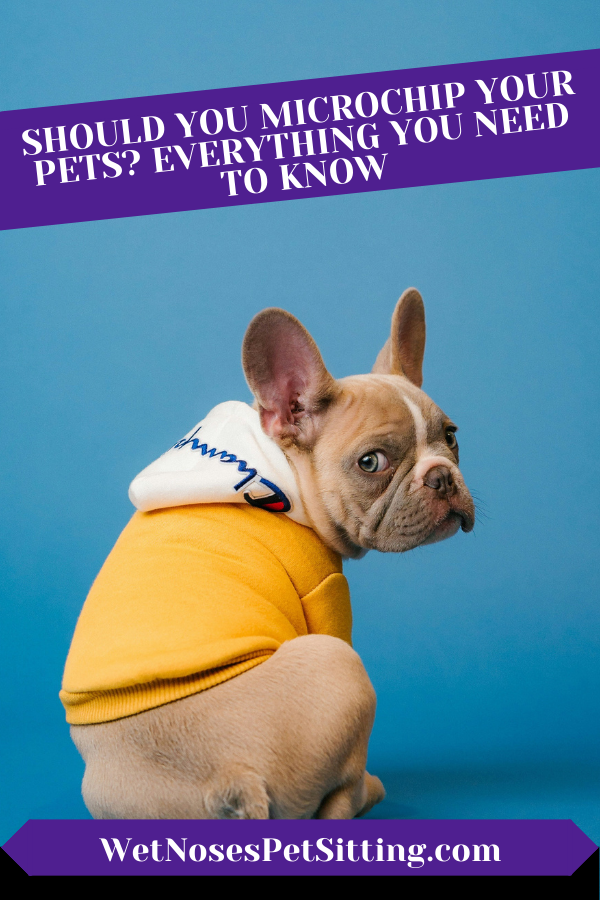
Should You Microchip Your Pets? Everything You Need to Know


Deciding whether to microchip your pet is an important choice for any pet owner. Microchipping is a simple and safe procedure that could greatly increase the chances of finding your pet if they ever get lost. It’s a small investment in your pet’s safety that offers significant peace of mind.

Benefits of Microchipping: One of the biggest advantages of microchipping is the permanent identification it provides. Unlike collars or tags, which can be lost or removed, a microchip stays with your pet for life. This increases the likelihood of being reunited with your pet if they are found by a vet or animal shelter. Additionally, most microchipping services include lifetime registration, meaning your contact details are always accessible when needed.

The Microchipping Process: The procedure is quick and minimally invasive. A small chip, about the size of a grain of rice, is injected under your pet’s skin, typically between the shoulder blades. Your pet won’t feel any more discomfort than during a routine vaccination. Once implanted, the chip is registered in a database with your contact information, making it easy for shelters and vets to contact you if your pet is found.

Is It Right for Your Pet?: Whether you live in a rural area or a busy city, microchipping is a smart option for any pet. It’s a simple, cost-effective way to ensure your pet can be identified if they ever go missing. For many pet owners, microchipping brings the peace of mind that comes with knowing your furry friend has a permanent ID.

Share your tips and experiences in the comments below!

How to Train Your Dog to Stay Off the Couch


Training your dog to stay off the couch can be a challenge, especially if they’ve already made themselves comfortable there. However, with patience and consistency, you can teach them that the couch is off-limits. Whether you’re trying to protect your furniture or set boundaries, this training can be an important step in maintaining a well-behaved pet.

Start with Clear Boundaries: The first step in training your dog to stay off the couch is to be consistent. If you don’t want them on the couch, never invite them up, even for special occasions. Mixed signals can confuse your dog and make training more difficult. Instead, designate a special area just for them, such as a comfortable dog bed near the couch.

Use Positive Reinforcement: When training your dog, reward them for staying off the couch by offering treats or praise whenever they go to their designated space. Positive reinforcement will encourage them to continue the desired behavior. Be patient—training takes time, and your dog will gradually learn where they’re allowed to relax.

Keep the Couch Unappealing: If your dog keeps jumping on the couch despite your efforts, you can make it less inviting by placing items like cushions or blankets on it when not in use. This creates a physical barrier that discourages them from jumping up. Over time, they’ll learn that the couch is not a place they’re welcome, and will stick to their own spot.

Share your tips and experiences in the comments below!

Why You Should Foster Pets This Year: Giving Back in a Meaningful Way


Fostering pets can be one of the most rewarding experiences for animal lovers, offering both personal fulfillment and a chance to help animals in need. While adoption is often the first thing people think of, fostering plays an equally crucial role in helping shelters and rescue organizations.

Provide Temporary Homes: Many shelters are overwhelmed with animals, and fostering helps alleviate the pressure by providing temporary homes for pets that need care and attention. Whether it’s an animal recovering from surgery or a young pet that needs socialization, fostering provides the support they need before finding a permanent home.

A Rewarding Experience: Fostering allows you to experience the joys of caring for a pet without the long-term commitment of adoption. It’s a great opportunity to test if you’re ready for a pet, or simply to help more animals without a lifelong commitment. Plus, the bond you form with a foster animal can be incredibly fulfilling.

Support Your Local Shelter: By fostering, you not only help animals, but you also support your local shelters. You free up valuable space, making it easier for shelters to rescue more animals. This year, consider fostering a pet and making a difference in the life of a deserving animal.

Share your tips and experiences in the comments below!

Should All Children Have a Pet? The Benefits and Challenges


Pets can be a wonderful addition to any family, especially for children, but the decision to bring one into your home is not one to be taken lightly. While having a pet can offer many benefits to children, it also comes with responsibilities that families need to consider before making this commitment.

Benefits: Pets can teach children valuable lessons in responsibility, empathy, and patience. Caring for an animal, whether it’s feeding, grooming, or walking them, helps children develop a sense of accountability and empathy toward other living beings. Pets can also offer emotional support, becoming a trusted companion for kids as they navigate the ups and downs of childhood. Additionally, studies have shown that children who grow up with pets often develop stronger immune systems and may have lower anxiety levels.

Challenges: While the benefits are clear, having a pet also presents challenges. Pets require time, attention, and financial investment. Children, especially younger ones, may not always have the maturity to fully understand the long-term commitment a pet needs. Parents often bear the primary responsibility for a pet’s care, which can be overwhelming if the family is not fully prepared.

In the end, the decision to get a pet should depend on the family’s ability to provide proper care and whether the child is ready for the responsibility. If managed well, having a pet can be a rewarding experience for any child.

Share your tips and experiences in the comments below!

Should You Get a Kitten? What You Need to Consider


Adopting a kitten can be one of the most rewarding decisions for any animal lover, but it’s important to understand what goes into caring for one before bringing a new pet into your home. Kittens are playful, energetic, and full of curiosity, but they also require a lot of time, attention, and resources to thrive.

Before deciding to adopt a kitten, consider the long-term commitment involved. Cats can live up to 15-20 years, so you’ll need to be prepared for a lifelong companion. Kittens also require regular veterinary care, vaccinations, and spaying or neutering, as well as a nutritious diet to support their growth. Additionally, their playful nature means they’ll need plenty of toys, scratching posts, and interaction to stay entertained and out of trouble.

Kittens can be a wonderful addition to your home, but they also come with responsibilities. If you have the time, patience, and resources to care for a young cat, the experience can be incredibly fulfilling. However, if you’re not sure you can meet these needs, adopting an older cat might be a better fit for your lifestyle.

Share your tips and experiences in the comments below!