The Christmas Eve Legend of Speaking Animals

Snowy European village at night on Christmas Eve with warm lights glowing from cottages and animals resting quietly near homes.

The Christmas Eve Legend of Speaking Animals

Christmas holds many warm and familiar traditions, but it also carries strange and beautiful folklore. Alongside flying reindeer and magical sleigh rides lives a quieter legend, one passed down for centuries and especially tied to Christmas Eve.

Old European folklore says that at the stroke of midnight on Christmas Eve, animals gain the power of speech.

This belief appears most often in parts of Europe and includes both farm animals and household pets. The story connects to the idea that Jesus was born at exactly midnight on Christmas Day. Many believed that moment brought brief supernatural changes to the natural world.

Some versions say animals speak only to one another. Others claim they share truths meant for humans, sometimes gentle and sometimes unsettling. In certain tellings, people warn against listening at all. Overhearing animals could bring bad fortune. In other versions, animals simply acknowledge the sacred moment in their own quiet way.

Where the Legend Comes From

Historians still debate the origins of the legend. Some believe it began in pagan traditions and later blended into Christian beliefs. Others trace it to the Nativity story itself. According to those accounts, the ox and donkey in the stable bowed their heads at Christ’s birth.

Over time, the legend evolved across regions and generations. Its meaning shifted, but one belief stayed the same. Christmas Eve marked a rare moment when the natural and spiritual worlds briefly touched.

Other Holiday Animal Folklore

Folklore holds many other animal legends tied to the season. In parts of Europe, people believed bees hummed hymns on Christmas Eve to honor the birth of Christ. Horses also appear often in holiday myths. Some stories say they kneel at midnight or show unusual awareness during holy nights.

These stories reflect a long-held belief that animals notice more than we do, especially during moments humans consider sacred.

A Quiet Meaning That Still Resonates

Whether sweet or eerie, these legends share the same idea. Animals connect deeply to the rhythms of the world around them.

Today, we do not expect our pets to speak at midnight. Still, many pet owners recognize a quieter truth behind the folklore. Animals notice changes we miss. They sense shifts in routine, energy, and environment. They respond not to calendars or holidays, but to consistency, familiarity, and care.

Perhaps the legend endures not because animals literally speak, but because moments like Christmas Eve invite us to listen more closely. We notice a pet settling beside us, seeking familiar spaces, or resting peacefully in a safe home.

On a night filled with tradition and reflection, that quiet presence may be the closest thing to magic after all.

Find more pet care reflections, seasonal guidance and everyday ways to support your pets at Wet Noses Pet Sitting.
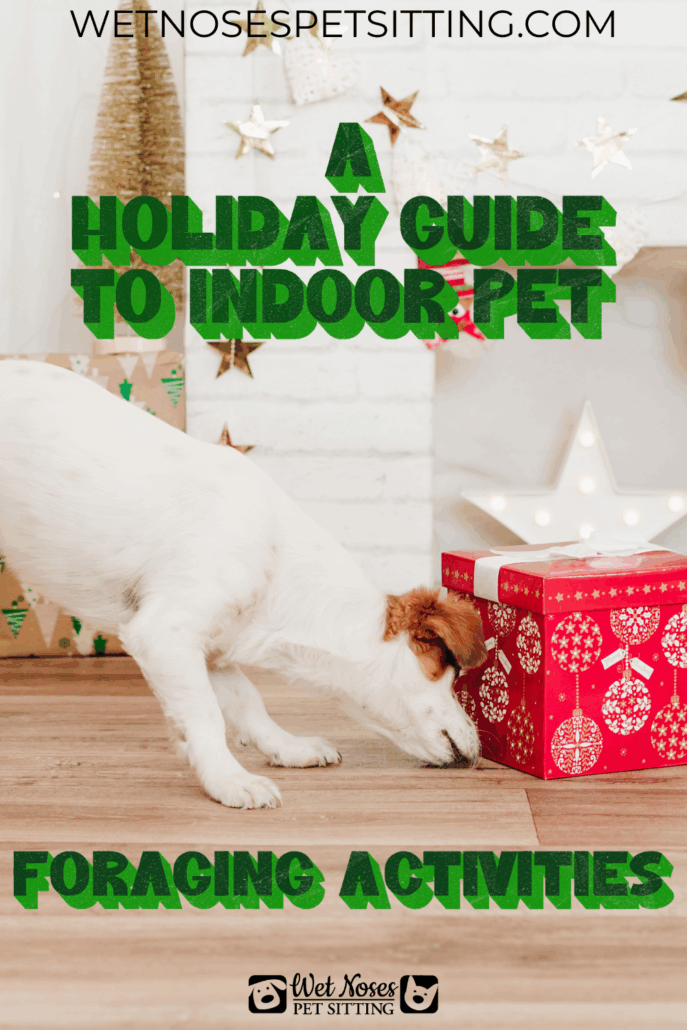
A Holiday Guide to Indoor Pet Foraging Activities

A small white and brown dog sniffs the floor next to a red holiday gift box in a festive room with Christmas decorations.

A Holiday Guide to Indoor Pet Foraging Activities

As temperatures continue to drop and daylight hours shrink, many pets experience less outdoor enrichment than usual. Sniffing, exploring and problem solving are natural behaviors that help regulate stress, and winter can limit those opportunities. Indoor foraging activities are a simple but powerful way to support your pet’s mental health during the colder months.

Foraging is more than a fun game. It taps into instinctive seeking behavior, activates the largest part of a dog’s brain, and encourages dogs and cats to use their senses in ways that boost confidence and reduce anxiety.

Here’s a holiday themed guide for bringing that enrichment indoors through foraging activities.

Why Foraging Matters More in Winter

During cold months, pets experience:

  • Fewer scent rich outdoor experiences

  • Less variety in environmental cues

  • More indoor time during holiday hosting or travel

  • Disrupted routines and less predictable daily rhythms

From a behavioral science perspective, foraging activates the brain’s seeking system, a dopamine based pathway tied to motivation and emotional balance. Engaging this system can lower stress hormones and help pets feel more mentally satisfied.

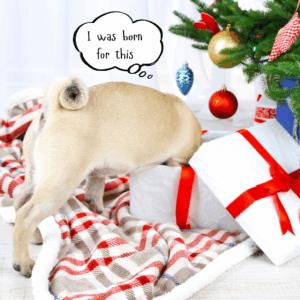
A pug forages inside a wrapped holiday gift box beneath a Christmas tree, with a thought bubble that says “I was born for this,” illustrating a simple holiday enrichment activity.

1. Gift Bag Snuffle

Layer tissue paper inside a gift bag, hide a few treats and let your pet forage through the crinkles. The changing sound textures engage their hearing while their nose does the rest. This setup offers a controlled way to recreate the sensory experience of rummaging through leaves and natural materials outdoors.

Why it works:

  • Sound and touch unpredictability increase engagement.

  • Tearing and pawing act as natural stress relief behaviors.

Increase difficulty:

  • Add more tissue layers.

  • Use smaller treats so the search takes longer.

  • Lightly fold tissue over each treat.

2. Snowbank Box

Grab a shallow cardboard box and fill it with shredded white paper, packing paper strips, or fleece pieces to mimic a snowy landscape. Hide toys or treats throughout the layers and let your pet dig through the snowbank. This activity creates a sensory rich digging environment that mirrors natural foraging habitats.

Why it works:

  • Digging activates proprioceptive feedback and helps release energy.

  • Shredding supports natural problem solving behaviors.

Increase difficulty:

  • Add deeper layers.

  • Hide treats in small paper cups buried underneath.

  • Mix toys and decoys to increase decision making.

3. Winter Scent Trails

Drag a cotton ball with a tiny amount of chicken or beef broth dabbed on it across the floor to create a gentle scent trail leading to a reward. During winter, pets spend more time indoors, and this gives them a fun way to explore their environment using scent. Lightly scented cotton keeps the game tidy while encouraging focused sniffing.

Why it works:

  • Dogs devote significant brain space to scent processing.

  • Slow sniffing activates the parasympathetic nervous system and helps regulate stress.

Increase difficulty:

  • Create curved or zigzag paths.

  • Use less scent toward the end of the trail.

  • Add a fork in the trail for more problem solving.

For cats, use silvervine or catnip instead of broth.

4. Towel Forage Wrap

Lay a towel flat and scatter a few treats across it, then fold it up from each side like a soft bundle. Tie the two top corners together loosely so it resembles a little holiday package that your pet can safely undo. Let your pet “unwrap” it using their paws and nose to discover the hidden rewards. It’s a simple warm indoor activity for days when pets need extra mental engagement.

Why it works:

  • The wrapped shape creates a gentle puzzle that encourages exploration.

  • The towel holds scent well, extending sniffing time and interest.

  • Unwrapping encourages controlled, focused paw and nose work.

Increase difficulty:

  • Add an extra fold or two inside before tying the corners.

  • Tuck one corner slightly under the bundle to delay the start.

  • Place the wrap against a wall or under a lightweight toy so they must move it first.

5. Festive Treat or Toy Hide

Place soft toys or treats inside holiday boxes, under layers of wrapping paper, or tucked gently around safe Christmas decorations such as under a tree skirt or inside a decorative basket. Let your pet paw, nose, and explore to uncover the surprise. This activity builds curiosity by encouraging pets to check familiar holiday objects in new ways.

Why it works:

  • Rustling sounds encourage exploration.

  • Mild problem solving activates the prefrontal cortex.

Increase difficulty:

  • Use multiple boxes and hide treats in only one.

  • Add more layers of paper.

  • Cover the box lightly with fleece or tissue for extra searching effort.

6. Find It Ornament Game

Set out several large, undecorated plastic ornaments and hide a treat or scent inside one of them. Let your pet sniff each ornament until they identify the one with the hidden reward, then open it and let them enjoy the treat. This turns scent discrimination into a simple holiday themed guessing game.

Why it works:

  • Builds scent discrimination skills.

  • Offers structured enrichment with minimal mess.

Increase difficulty:

  • Add more ornaments.

  • Space them farther apart.

  • Use smaller amounts of scent so your pet must concentrate more.

Safety Tips

  • Avoid tinsel, ribbon, rubber bands, and anything small pets could swallow.

  • Supervise shredding or digging for pets who chew heavily.

  • Keep activities short for seniors or pets with mobility challenges.

  • Always use safe materials and scents.

A black and white cat sits under a Christmas tree decorated with gold ornaments, looking down curiously at a blanket. A thought bubble above its head reads “Is that a treat?” to suggest holiday foraging behavior.

A little enrichment goes a long way during the busy holiday season. These simple indoor pet foraging activities help pets stay relaxed, stimulated, and happy all winter long.

Discover more ways to keep your pets happy this season at Wet Noses Pet Sitting.

How to Tell if Your Pet Actually Likes Wearing a Costume

How to Tell if Your Pet Actually Likes Wearing a Costume

Dressing up your pet for Halloween or other festive occasions can be adorable and fun, but not every dog or cat enjoys the experience. Costumes should never come at the expense of your pet’s comfort or safety. The key is to learn how to read your pet’s body language and behavior so you can tell if they’re truly enjoying the spotlight, or secretly wishing you’d take the outfit off. So, we’re here with tips on how to tell if your pet actually likes wearing a costume.

Watch Their Body Language

Animals communicate how they’re feeling through subtle cues. If your pet seems relaxed, playful, and comfortable moving around in their costume, that’s a good sign. Look for:

  • A wagging tail or perked-up ears in dogs

  • A cat walking with ease instead of crouching or slinking

  • Comfortable movement without tripping or freezing up

On the other hand, signs of tension include a tucked tail, pinned-back ears, stiff posture, or wide eyes. If your pet looks more like a statue than a superhero, they may not be happy in their outfit.

Notice Stress Signals

Sometimes discomfort shows up in smaller, repeated behaviors. Be on the lookout for:

  • Pawing, scratching, or biting at the costume

  • Excessive licking, yawning, or whining

  • Hiding, refusing to move, or lying down and staying still

These are your pet’s way of saying the costume doesn’t feel good and they’d rather not participate.

Ensure the Costume Fits Properly

Even if your pet doesn’t mind dress-up, the wrong fit can turn the experience into a struggle. Make sure the costume:

  • Isn’t too tight or too loose

  • Doesn’t restrict movement, breathing, or vision

  • Has no small parts that could be chewed off and swallowed

A well-fitted costume helps your pet feel secure instead of restricted.

Keep Sessions Short and Positive

If your pet is new to costumes, start slow. Let them wear the outfit for just a few minutes and reward them with treats and praise. Gradually increase the time only if they seem comfortable. Always supervise them to prevent accidents.

Alternatives for Costume-Shy Pets

If your furry friend just isn’t into costumes, don’t worry. Festive bandanas, bow ties, or themed collars can still give them seasonal flair without causing stress. Sometimes, less is more when it comes to keeping your pet happy.

Final Thoughts

At the end of the day, the best costume is one your pet feels confident and comfortable wearing. Some pets love the extra attention and will happily show off their festive look, while others feel stressed or restricted by clothing. Both reactions are completely normal, it just depends on your pet’s personality.

The most important thing is to honor your pet’s comfort level. If your dog struts proudly in a pumpkin outfit or your cat sits calmly in a witch hat, enjoy the moment. If they’d rather keep things simple with a festive bandana or bow tie, that’s just as special. Halloween should be about creating happy memories together, not forcing a picture-perfect moment.

Discover more pet care insights and safety tips at Wet Noses Pet Sitting.
Black cat

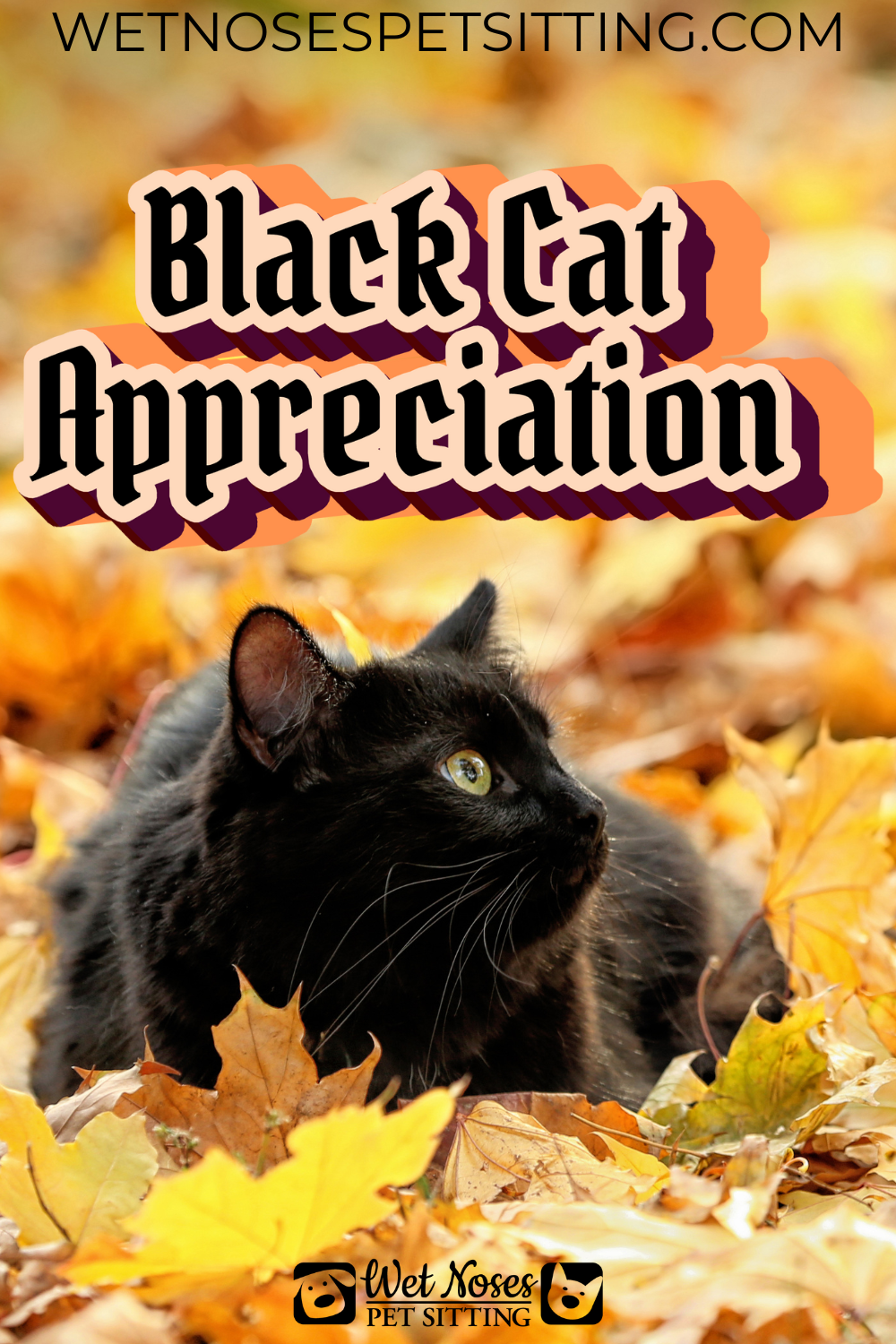
Black Cat Appreciation

Black cat

Celebrating Black Cats: From Myths to Must-Love Companions

One of Halloween’s most iconic symbols is the back cat. For centuries, these beautiful animals have carried a heavy weight of superstition, often linked to bad luck or witchcraft. But did you know that in many cultures, black cats are actually symbols of good fortune? Today, we’re showing appreciation for black cats as who they really are. They are loving, playful companions who deserve to be seen in all their magic.

The History and Myths

The myth that black cats bring bad luck dates back to the Middle Ages, when they became associated with witches and superstition. Some even believed that black cats were witches in disguise. These stories lingered in Western culture, unfairly shaping the way people viewed them.

But not all traditions saw black cats negatively. In Japan and the United Kingdom, they’ve been considered lucky. In ancient Egypt, black cats were honored and revered. These cultural differences show us that the “bad luck” label is nothing more than a story, not the truth.

The Reality Today

Unfortunately, superstition has left its mark. Even today, black cats are often overlooked in shelters, not only because of lingering myths but also because their dark coats can make them less noticeable in photos. According to the American Animal Hospital Association, black cats face an adoption bias known as “Black Cat Syndrome,” meaning they’re often adopted less frequently than cats of other colors. Additionally, these cats also have higher rates of euthanasia compared to lighter-colored cats.

Black cat appreciation is about exposing the truth. Black cats are just as affectionate, playful, and healthy as any other cat. In fact, their dark fur offers a unique advantage: they may be less prone to certain sun-related skin issues compared to lighter-colored cats.

Why We Should Celebrate Black Cats

Black cats deserve more than the shadows of old myths. They bring light, laughter, and comfort into the lives of their families every single day.

Showing them appreciation means pushing past superstition and recognizing the joy, beauty, and love they add to our homes.

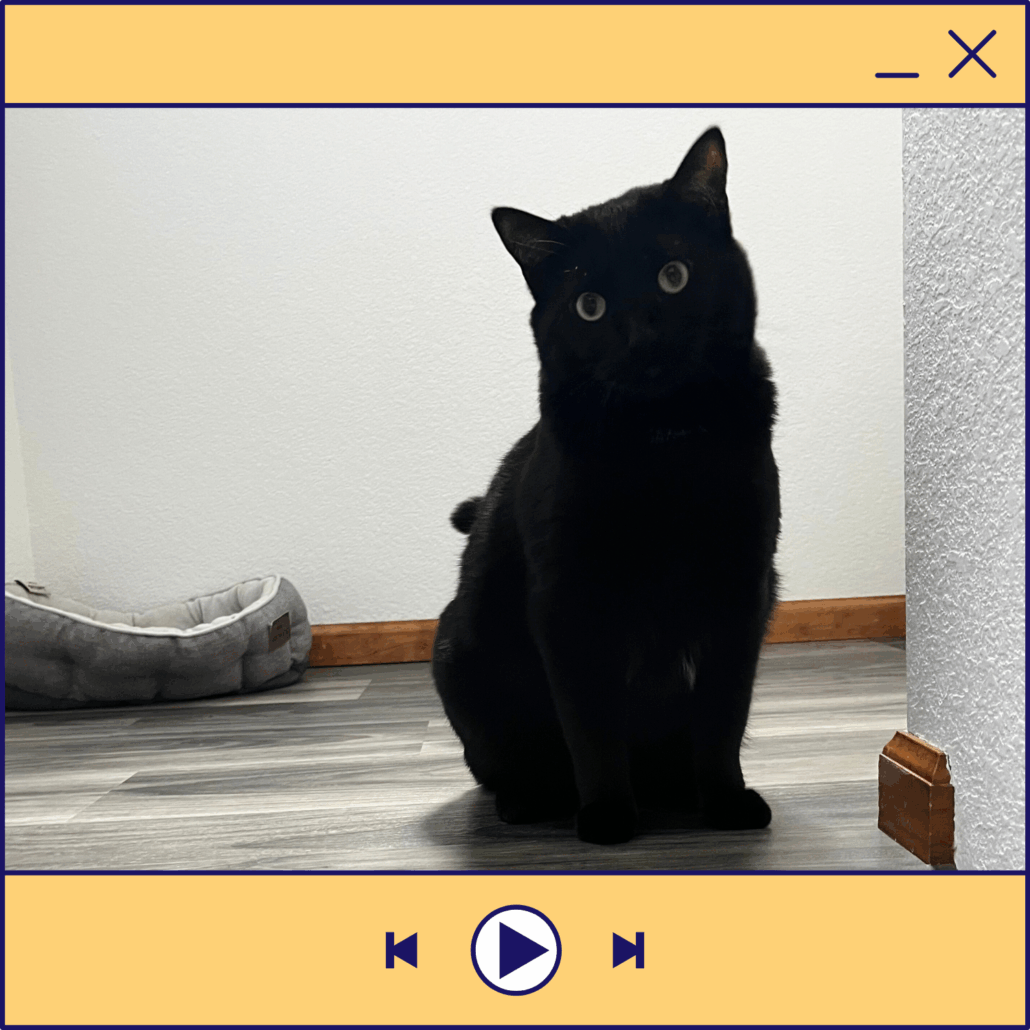
This is Smudge, and she’s one of our beloved black cat clients. She’s very sweet, intensely devoted to her person, and loves spending time with her two sisters. Cats like Smudge remind us that black cats are not only wonderful companions, but also deeply loyal family members.

If you’re lucky enough to share your life with a black cat, you already know how loving, silly, and delightful they can be. And if you’re thinking about adopting, don’t overlook the black cats at the shelter, your perfect companion might just be waiting in a sleek, shiny coat.

From black cats to costume safety and beyond, we’ve got seasonal tips for every pet at Wet Noses Pet Sitting.

Dog Friendly Pumpkin Patches in Colorado

Dog-Friendly Pumpkin Patches in Colorado: Bring Your Pup Along for Fall Fun

Want to include your pup in your fall festivities? We’re here with a list of dog-friendly pumpkin patches in Colorado so you can bring your furry friend with you this season!

Fall in Colorado means crisp mornings, colorful leaves, and of course, farms full of pumpkins. For dog lovers, the best part is finding places where pups can join in the fun. Fortunately, Colorado has plenty of pumpkin patches that welcome dogs to walk the fields, take photos, and enjoy the season with their families.

Why Visit a Dog-Friendly Pumpkin Patch?

Pumpkin patches aren’t just about picking the perfect pumpkin. They’re about the entire experience: hayrides, corn mazes, treats, photo ops, and that cozy fall atmosphere we all know and love. When your pup comes along, the day feels even more special. You’ll snap great photos, introduce your dog to new sights and smells, and share the joy of autumn together.

Colorado’s Dog-Friendly Pumpkin Patches

Here are some of the best spots to check out this fall:

  • Something From The FarmFort Collins
    A classic, family-owned pumpkin patch in Northern Colorado. Attractions include hayrides, a hay bale maze, a pumpkin trebuchet, and a country store. Leashes and waste bags are required, but dogs cannot ride the hayrides.
  • The Bartels Pumpkin Patch – Fort Collins
    Another family-owned favorite in Northern Colorado. Expect hayrides, a corn maze, vegetable picking, and concessions. Leashes are required, and owners must clean up after pets. Dogs are not allowed on hayrides.
  • Osborn FarmLoveland
    A longtime Larimer County farm offering gourds, hayrides, a petting zoo, and farm honey. Pups must stay leashed, and owners are expected to clean up after them.
  • Rock Creek Farm – Broomfield
    This popular patch features miles of corn mazes, farm animals, and a family fun area. Well-behaved dogs are welcome on leash. However, owners should keep them away from farm animals.
  • Maize in the CityThornton
    A farmer-owned patch with attractions like mazes, games, rides, face painting, a petting zoo, and a market. Dogs are welcome with a leash and waste bags.
  • Cottonwood FarmsLafayette
    A Boulder County farm with corn and bale mazes, hayrides, farm animals, and vintage farm equipment. Leashed and well-behaved dogs are welcome, but they must stay away from livestock.
  • Pope FarmsWiggins
    Located in Morgan County, Pope Farms features a 10-acre corn maze, zip lines, duck races, a concession stand, and plenty of pumpkins. Leashes, waste bags and respecting farm animals are required.

Tips for Visiting with Your Dog

To make the most out of your day, keep these tips in mind:

  1. Keep pups leashed: All farms require leashes to keep visitors and farm animals safe.
  2. Bring water: Dogs need hydration just like us, especially during outdoor activities.
  3. Pack waste bags: Cleaning up helps keep farms welcoming to pets.
  4. Plan for photos: Fall backdrops create adorable seasonal pictures with your pup.
  5. Watch the weather: Colorado days swing between hot and chilly, so pack for comfort.
  6. Give farm animals distance: Even friendly dogs can stress livestock. Respect the farm by keeping your pup away from pens and animals.

Fall Adventures Await

Fall adventures feel even sweeter with your dog by your side. Visiting a dog-friendly pumpkin patch lets you enjoy the season together, explore new places, and start traditions you’ll look forward to year after year.

So grab a leash, bring a water bowl, and get ready to enjoy some pumpkin patch fun with your four-legged friend.

Want to keep your dog’s tail wagging all season long? We share more tips at Wet Noses Pet Sitting.

Paws, Flags & Fireworks: A Pet Parent’s Guide to a Safe and Happy 4th of July

Paws, Flags & Fireworks: A Pet Parent’s Guide to a Safe and Happy 4th of July 

The 4th of July is one of the most exciting holidays of the year—packed with parades, sizzling BBQs, and dazzling fireworks. But while we’re enjoying the patriotic fun, our pets may be feeling confused, anxious, or even frightened.

At Wet Noses Pet Sitting, we know that the sights and sounds of Independence Day can be overwhelming for pets. That’s why we’ve put together this guide to help you keep your furry family members calm, comfortable, and safe during the celebrations.

Fireworks Fright: Why Pets Get Scared

Fireworks may be fun for us, but for pets, they’re sudden, loud, and unpredictable. This can cause serious anxiety—and even lead to pets bolting out of fear.

Tips to ease firework fears:

  • Create a cozy safe space: Set up a quiet, dimly lit room with your pet’s favorite bed, toys, and treats.

  • Block the noise: Close windows and curtains and turn on the TV, fan, or calming music.

  • Stay calm yourself: Pets often mirror our behavior, so keep your energy relaxed and reassuring.

  • Never take pets to fireworks displays: Even the bravest pups may panic.

Going out for the evening? Our professional pet sitters are happy to stay with your pet or check in to make sure they feel safe and cared for!

BBQ Dangers: Skip the Table Scraps

Grilled meats, festive drinks, and party snacks are delicious for humans—but many popular 4th of July foods can be dangerous for pets.

Keep these off-limits:

  • Bones and fatty meats – Choking hazard and risk of pancreatitis

  • Chocolate, grapes, onions, garlic – All toxic to pets

  • Alcohol and sugary drinks – Never safe for pets

  • Corn on the cob – Can cause intestinal blockages

Safe summer treats: Try chilled dog-safe watermelon, ice cube toys, or frozen pet-friendly yogurt!

Preventing Great Escapes

Did you know more pets go missing on the 4th of July than any other day of the year?

How to avoid a runaway:

  • Double-check gates and doors when guests are coming and going.

  • Secure collars and ID tags with current contact info.

  • Update microchip info in case your pet does get out.

  • Take a current photo of your pet before festivities begin.

 Summer Heat = Extra Caution

The 4th of July often comes with high temperatures, which can quickly lead to heat exhaustion or burns on your pet’s paws.

Beat the heat:

  • Walk your dog early in the morning or late evening.

  • Avoid hot pavement—if it’s too hot for your hand, it’s too hot for paws.

  • Provide shaded rest areas and fresh, cool water at all times.

  • Never leave pets in parked cars—not even for a minute.

Heading Out? Book a Sitter Early!

If you’ll be out of town or just out for the evening, let us help! At Wet Noses Pet Sitting, we offer:

  • Drop-in visits

  • Dog walks

  • Overnight stays

  • Medication administration

  • And most importantly, peace of mind!

Our professional, loving team ensures your pet feels safe and happy while you celebrate.

Final Thought

The 4th of July is about freedom, fun, and family, which includes your pets. With just a few extra precautions, you can help them enjoy a stress-free, tail-wagging holiday.

From our team to yours, we wish you a happy, safe, and pet-friendly Independence Day!

The best places in the Denver area to take your dogs swimming

Summer in Denver is the perfect time to let your dog cool off with a splash! Whether your pup is a seasoned swimmer or just dipping their paws in for the first time, the Denver area offers a variety of dog-friendly swimming spots. Here’s a guide to the best places to take your dog swimming this summer:

Outdoor Swimming Spots

1. Cherry Creek State Park – Aurora

Cherry Creek State Park boasts a 107-acre off-leash dog area with access to Cherry Creek, allowing dogs to swim and play freely. A daily or annual state park pass is required. Cherry Creek State Park website

2. Chatfield State Park Dog Off-Leash Area – Littleton

This park features a 69-acre fenced area with two ponds, providing ample space for dogs to swim and roam. A daily vehicle pass and a dog park pass are required. Chatfield state Park website

3. Union Reservoir Dog Beach – Longmont

Union Reservoir offers a sandy off-leash dog beach on its south side, perfect for a day of swimming and relaxation. Entrance fees are $10 per car on weekdays and $12 on weekends. 

Indoor Swimming Facilities

1. Canine Rehabilitation & Conditioning Group (CRCG) – Englewood & Broomfield

CRCG provides heated, filtered indoor pools for dogs, suitable for both recreational swimming and rehabilitation. Staff supervision ensures a safe environment. 

https://dog-swim.com/services/swim-indoor-swimming-pools-for-dogs/

2. Canine Fitness & Fun Center (CFFC) – Denver

CFFC offers a 25′ x 13′ x 4′-deep indoor pool where dogs can swim under the watchful eyes of trained lifeguards. Life vests are available for first-time swimmers. caninefitnessandfuncenter.com

 Seasonal Dog Swim Events

Keep an eye out for these annual dog-friendly swim events:

  • Doggie Dip – Arvada

  • Dog-a-Pool-Ooza – Denver

  • Bow Wow Beach Doggie Day – Federal Heights

  • Doggie Splash and Pet Expo – Highlands Ranch

  • Wag N’ Romp – Lone Tree

  • Paws for a Dip – Thornton

These events typically occur at the end of the summer season when public pools open up for dogs before closing for maintenance.

Tips for a Safe and Fun Swim

  • Hydration: Always bring fresh water for your dog to drink.

  • Sunscreen: Protect dogs with light-colored or thin coats using pet-safe sunscreen.

  • Life Jackets: Consider a dog life jacket for safety, especially for inexperienced swimmers.

  • Toys: Bring along floating toys to enhance the fun

To read more on how to keep your dog safe swimming this season click here!

How to Keep Your Dog Safe in Lakes and Water This Summer

How to Keep Your Dog Safe in Lakes and Water This Summer

There’s nothing better than a summer day at the lake, right? Sun’s out, snacks packed, and your dog is bouncing with excitement to splash around. But before you let your pup cannonball into the water, it’s important to make sure you’re setting them up for a safe (and super fun) time.

Here’s a simple guide to keeping your dog safe around lakes, rivers, and anything else that looks like a good swim spot this summer:

1. Know Your Dog’s Swimming Skills

Not every dog is a natural-born swimmer — and that’s totally okay. Some breeds (like Labs) are basically built for it, while others (like Bulldogs) can struggle. Even if your dog loves the water, always keep an eye on them.

Pro tip: A doggy life jacket isn’t just for beginners. Even strong swimmers can get tired, and a life vest gives them a little extra security — and a cute boating look, too.

2. Pick Your Spot Carefully

Not all water is safe water. Stick to calm, clear areas without a ton of boats or strong currents. And keep an eye out for gross stuff like algae blooms — those can be toxic for dogs (and people).

Quick check: Look for any signs posted about water quality. If the locals are avoiding it, you should too.

3. Watch for Hidden Dangers

Floating sticks, fishing hooks, sharp rocks — lakes can be full of surprises. Stay close enough to spot trouble quickly. And if your dog’s the adventurous type, it’s even more important to keep an eye out.

Good idea: Pack a little first-aid kit and know where the nearest vet is… just in case your day takes an unexpected turn.

4. Don’t Let Them Drink the Lake

It’s hot. Your dog’s thirsty. But drinking lake or river water can lead to some serious tummy trouble (or worse). Bring plenty of fresh water just for them and offer it often.

Heads up: If you see your dog gulping water while they swim, gently redirect them back to shore for a proper drink.

5. Rinse Off After

After your dog’s done living their best life in the water, give them a good rinse with clean water. It’ll help wash away any bacteria, dirt, or algae that could irritate their skin.

Bonus tip: Dry those ears! Wet ears can easily turn into ear infections, especially for floppy-eared pups.

6. Watch for Heatstroke

Yes, even swimming dogs can overheat. If it’s a scorcher outside, make sure your dog gets plenty of shade breaks and fresh water. Look for signs like heavy panting, drooling, or acting wobbly — that’s your cue to call it a day.

When in doubt: If you’re hot, your dog’s even hotter. Keep it chill.

7. Brush Up on Water Commands

“Come,” “stay,” and “leave it” aren’t just cute tricks near the water — they can literally save your dog’s life. Practice ahead of time so you know your dog will listen, even when they’re hyped up.

Hot tip: If your dog’s still working on their recall, a long leash can give them freedom without the risk.


A Few Last Thoughts

There’s something magical about a summer day at the lake with your dog. With just a little extra planning, you can make sure it’s a day full of tail wags, happy splashes, and memories you’ll both love.

Stay safe, have fun — and don’t forget the treats.

Need help finding places to take your dog swimming? Find a list of paw friendly places here! https://karenhoglundphotography.com/blog/dog-swimming-near-denver/

Spring Activities to Do with Your Pet in Colorado

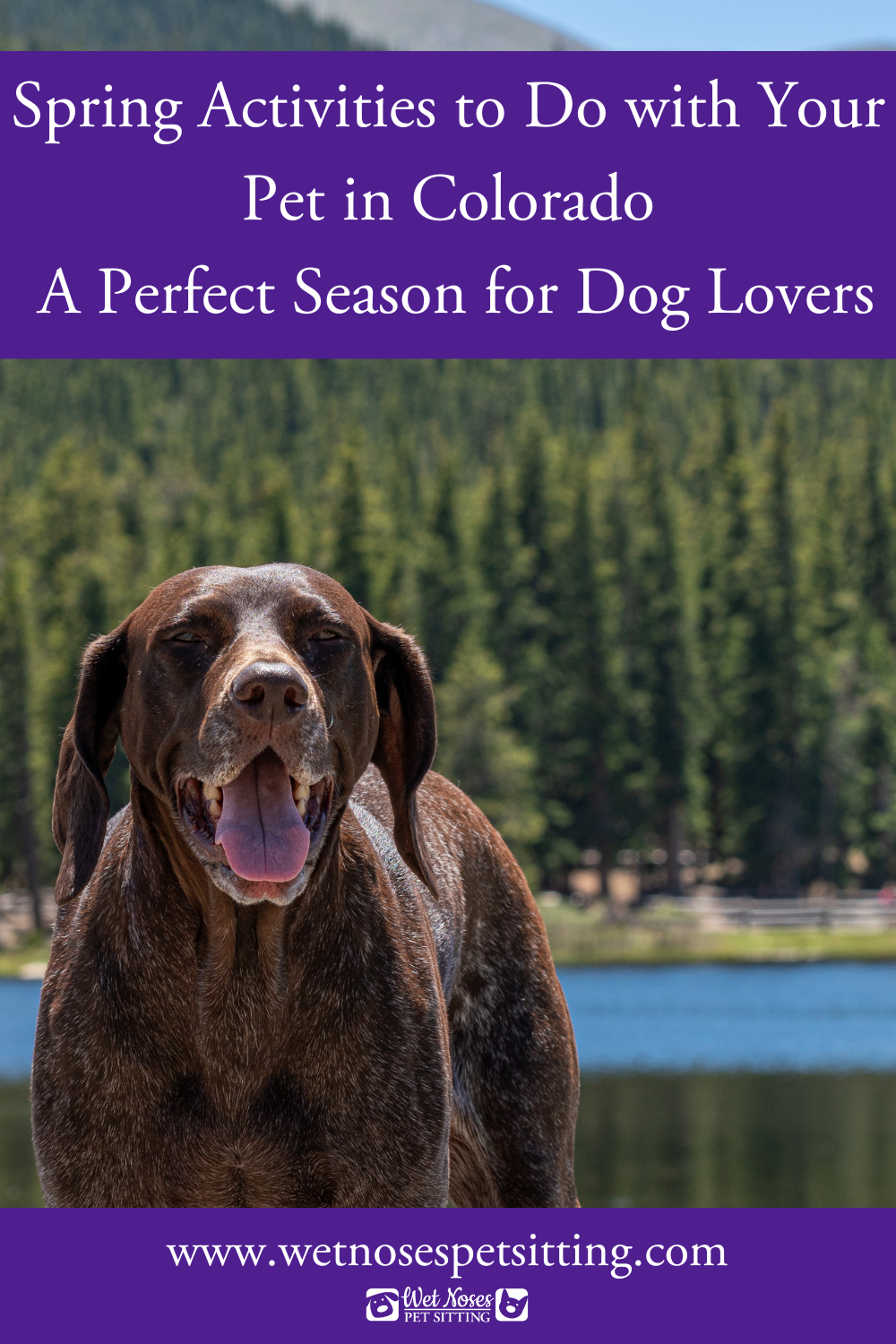
Spring Activities to Do with Your Pet in Colorado: A Perfect Season for Dog Lovers

As the snow melts and the days grow longer, spring in Colorado brings a breath of fresh air – not just for us but for our furry companions too! This season offers the perfect opportunity to get outside and enjoy the beauty of nature while keeping your dog happy and healthy. Whether you’re new to the area or a long-time resident, there are countless activities to enjoy with your pup. If you’re looking for some inspiration, here are the top spring activities to do with your dog in Colorado.

Hiking in the Rocky Mountains

Colorado is famous for its scenic mountain views, and what better way to enjoy them than by hiking with your dog? With countless dog-friendly trails scattered across the state, there’s no shortage of breathtaking hikes for you and your furry friend to explore. The cooler spring weather makes for a perfect time to hit the trails before the summer heat sets in.

Some popular dog-friendly hikes include:

Mount Falcon Park (Morrison): A moderate 4.7-mile loop with sweeping views of Denver and the Rockies.

Chautauqua Park (Boulder): A short and easy hike with beautiful views of the Flatirons, perfect for dogs that enjoy a gentle stroll.

Garden of the Gods (Colorado Springs): A stunning area of red rock formations with numerous pet-friendly trails.

Remember to bring plenty of water for both you and your dog, and always clean up after your pet to preserve these beautiful natural spots!

Visit a Dog-Friendly Brewery

Colorado is renowned for its craft beer scene, and many local breweries have embraced dog lovers by creating dog-friendly patios and outdoor spaces where both you and your pup can relax. Spring is the perfect time to enjoy a cool beverage while soaking in the warm sunshine.

Some popular dog-friendly breweries in Colorado include:

Oskar Blues Brewery (Lyons): A well-known pet-friendly spot where dogs are welcome on the patio.

Denver Beer Co. (Denver): With multiple locations, you can enjoy a cold brew while your dog enjoys the fresh air.

The Sanitas Brewing Company (Boulder): Located in a beautiful spot with ample outdoor seating for you and your dog.

Make sure to keep your dog on a leash, and always be considerate of others while enjoying these relaxed, pet-friendly settings.

Exploring Dog Parks

Colorado is home to many off-leash dog parks where your dog can socialize, run freely, and burn off that spring energy. These parks provide a safe environment for your dog to play and meet other pups, which is great for their physical and mental stimulation.

Here are a few great options for dog parks:

Cherry Creek State Park (Denver): With over 100 acres of off-leash areas, your dog will have plenty of space to roam and explore.

Bear Creek Dog Park (Colorado Springs): This park offers a spacious, off-leash area surrounded by nature, ideal for dogs who love to run.

Fido’s Forest Dog Park (Boulder): A wooded dog park with a peaceful setting that allows your dog to enjoy the outdoors.

Before you go, check the park’s rules to make sure your dog is a good fit for off-leash play and to ensure you’re prepared for a fun day out.


Dog-Friendly Patio Dining
As the weather warms up, outdoor dining becomes a staple of spring in Colorado. Many local restaurants, cafes, and eateries welcome dogs on their patios, making it easy to enjoy a meal or a drink while spending time with your pet.

Some dog-friendly restaurants to check out:

The Patio at The West End Tavern (Boulder): A dog-friendly spot that’s perfect for brunch, lunch, or dinner with your four-legged companion.

Snooze, an A.M. Eatery (Denver): Enjoy a delicious breakfast while your dog relaxes on the patio.

Linger (Denver): A trendy restaurant with a rooftop patio that’s dog-friendly, offering spectacular views of the city.

Most places offer dog treats, water bowls, or even special menus for your pup. It’s a great way to unwind and enjoy the season.

Attend a Pet-Friendly Event
Colorado hosts a variety of dog-friendly events during the spring, from pet parades to fundraising walks. These events are great opportunities to socialize your dog, meet other pet owners, and participate in some community fun.

Some events to keep an eye out for include:

Bark in the Park (Denver): A fun event where you can bring your dog to the ballpark and enjoy a game together.

Doggie Dash & Dine (Colorado Springs): A fun 5K run/walk event where you can bring your dog along for a healthy activity while supporting a good cause.

These events often feature pet-friendly vendors, games, and even costume contests, providing a unique and enjoyable experience for you and your dog.

Spring Photo Sessions
Spring is a beautiful time to capture memories with your dog in Colorado’s stunning landscapes. Whether you’re visiting a local park, hiking in the mountains, or relaxing by a river, it’s the perfect season for a photo shoot. Many local photographers specialize in pet photography and can help you create lasting memories of your adventures with your dog.

Some great photo opportunities in Colorado include:

The vibrant wildflower fields of Mt. Evans in late spring.

The stunning Poudre Canyon with its lush greenery and river views.

The Great Sand Dunes National Park, where your dog can run and play against the backdrop of the towering sand dunes.

Enjoy a Scenic Drive
Sometimes, you and your dog just need to enjoy the beauty of Colorado’s landscapes without exerting too much energy. A scenic drive through Colorado’s countryside, mountain roads, or even along the San Juan Skyway is a relaxing way to enjoy the sights and let your dog take in the fresh air from the comfort of the car. Many roads in Colorado lead to picturesque mountain towns, offering ample opportunities for a rest stop or a walk in a dog-friendly area.

5 Tips for Preparing Your Pets for the New Season

Spring Into Safety: 5 Tips for Preparing Your Pets for the New Season

Spring Into Safety: 5 Tips for Preparing Your Pets for the New Season

As the days get longer and the weather gets warmer, it’s time to start thinking about how to prepare your pets for the new season. Spring can be an exciting time for both you and your furry friends, but it’s also a time to stay vigilant and keep your pets safe. Here are 5 essential tips to ensure your pets are ready for spring:

1. Spring Cleaning & Safety

Spring cleaning is a tradition in many households, but it’s important to keep your pets’ safety in mind while tidying up. Many cleaning products can be harmful to animals, so opt for pet-safe alternatives. If you’re using chemicals like bleach or ammonia, make sure to thoroughly ventilate the area and keep your pets out of the space until it’s fully cleaned and dry.

Additionally, be mindful of small items that may get overlooked during cleaning, like paper clips, rubber bands, or pieces of string. These can pose choking hazards or cause digestive issues if swallowed. Always check your cleaning area and make sure it’s free of any potentially harmful items before allowing your pet back into the space.

2. Allergy Season: Know the Signs

Just like humans, pets can suffer from allergies, especially during the spring when pollen counts are high. If your pet is suddenly itching more than usual, has watery eyes, or is sneezing frequently, they may be experiencing seasonal allergies. While it’s important to consult with your veterinarian, there are steps you can take at home to help.

Regularly bathe your pet to wash off pollen, and wipe their paws after outdoor walks. If you have an indoor cat, consider keeping their litter box and bedding clean to reduce allergens. If allergies persist, your vet may recommend antihistamines or other treatments to ease their symptoms.

3. Outdoor Fun: Keep Them Safe

With the arrival of warmer weather, many pets will want to spend more time outside. Whether it’s running around the backyard or going on hikes, it’s important to ensure their safety. Spring is also the time when outdoor pests like ticks and fleas become more active, so don’t forget to protect your pet with preventive treatments.

If you’re taking your dog on walks, make sure they’re on a secure leash, especially if you’re in a new or unfamiliar area. For cats who enjoy the outdoors, ensure your yard is properly fenced in to keep them safe from traffic or other dangers. Don’t forget to keep an eye out for wildlife, such as snakes, which can be more common in the spring.

4. Parasite Prevention: Fleas, Ticks, and Mosquitoes

As temperatures rise, so does the activity of parasites like fleas, ticks, and mosquitoes. These pests can cause serious health issues for your pet, including Lyme disease from ticks or heartworm from mosquitoes. It’s essential to get your pets on a parasite prevention plan before the warm weather hits.

Consult with your vet about the best flea and tick prevention products for your pet, and make sure you’re staying on top of treatments. Keep your pet’s environment clean by vacuuming regularly and washing bedding, toys, and other items that come into contact with your pet. Your vet may also suggest heartworm prevention medication, especially if you live in an area where mosquitoes are prevalent.

5. Hydration & Exercise: Stay Active and Hydrated

As the days get longer, your pet will likely have more energy to burn. Make sure they get plenty of exercise to keep them healthy and happy. Outdoor activities like walks, runs, or playtime in the yard are great ways to help your pet stay active.

But with warmer weather, it’s also important to ensure they stay hydrated. Always provide access to fresh water, especially during outdoor adventures. If you’re heading out for longer walks or hikes, consider bringing a portable water bowl to keep your pet hydrated on the go.

Be mindful of the temperature, especially with pets that have shorter noses or thick coats, as they may be more prone to overheating. If it’s too hot outside, try to schedule walks during cooler parts of the day or opt for indoor playtime.

Now that it’s getting warmer you’re are probably wanting to take your dog out more, here is a refresher on leash laws in Denver https://wetnosespetsitting.com/leash-laws-in-denver/

Need to find a Vet for your pet in the Denver area? Click here! https://wetnosespetsitting.com/how-to-choose-the-right-vet-for-your-pet-in-denver/