Too Hot to Handle! How to Spot and Prevent Heatstroke in Dogs and Cats

As summer temperatures climb, so does the risk of heatstroke in pets. Dogs and cats are especially vulnerable to overheating due to their limited ability to cool themselves. Whether it’s during a sunny walk, a car ride, or simply lounging outdoors, knowing how to recognize and respond to heatstroke is crucial for every pet parent.
At Wet Noses Pet Sitting, we prioritize your pet’s safety, especially during the hot summer months. Here’s what every pet owner should know.
What Is Heatstroke in Pets?
Heatstroke (also called heat exhaustion) occurs when a pet’s internal temperature exceeds safe levels, typically above 103°F (39.4°C). Unlike humans, pets cannot sweat efficiently. They rely on panting and sweating through their paw pads, but these methods are often not enough during extreme heat or strenuous activity.
If left untreated, heatstroke can lead to organ failure, brain damage, or even death, making early recognition and intervention absolutely critical.
Warning Signs of Heatstroke
In Dogs:
-
Rapid, excessive panting
-
Thick drooling
-
Bright red tongue or gums
-
Vomiting or diarrhea
-
Glazed or unfocused eyes
-
Stumbling or collapse
-
Lethargy or unresponsiveness
In Cats:
-
Rapid breathing or open-mouth panting (rare but serious)
-
Vomiting or drooling
-
Weakness, trembling, or loss of coordination
-
High heart rate
-
Hiding or sudden lethargy
What to Do:
If you suspect heatstroke, act quickly:
-
Move your pet to a shaded or air-conditioned area
-
Offer small amounts of cool (not cold) water
-
Wet them gently with cool water (not ice-cold)
-
Call your veterinarian or an emergency vet clinic immediately
Common High-Risk Situations
Certain situations make heatstroke more likely:
-
Hot Vehicles: Never leave a pet in a parked car. Even a few minutes can be fatal.
-
Midday Walks: Sidewalks can become extremely hot and burn paw pads.
-
Poor Ventilation: Garages, sheds, or sunrooms can trap heat and become dangerous.
-
Lack of Shade/Water: Outdoor pets need access to cool, shaded areas and clean water at all times.
-
Flat-faced (brachycephalic) breeds: Bulldogs, Pugs, Boxers, Persians, and similar breeds are more prone to overheating due to restricted airways.
Top Tips to Prevent Heatstroke
-
Time Your Walks Wisely
Walk early in the morning or later in the evening to avoid the hottest parts of the day. -
Provide Constant Hydration
Keep water bowls full at home and on the go. Add ice cubes to help keep it cool. -
Avoid Hot Cars Completely
Never leave your pet in a vehicle—even with windows cracked. -
Create a Cool Environment
Use fans, air conditioning, cooling mats, and damp towels. Ensure your pet always has access to shade. -
Groom Smartly
Brush regularly to remove excess fur and mats. Some breeds benefit from a summer trim, but check with your vet before shaving, fur often provides protection from heat and sun.
We’re Here to Help
Whether your pet is staying with us for a weekend or getting a mid-day walk, Wet Noses Pet Sitting takes every precaution to keep them safe from the heat. Our team is trained to monitor for early signs of heat exhaustion and take immediate action if needed.
Need help planning a summer care routine? Have concerns about how your pet is handling the heat? Don’t hesitate to reach out, we’re always just a paw away.

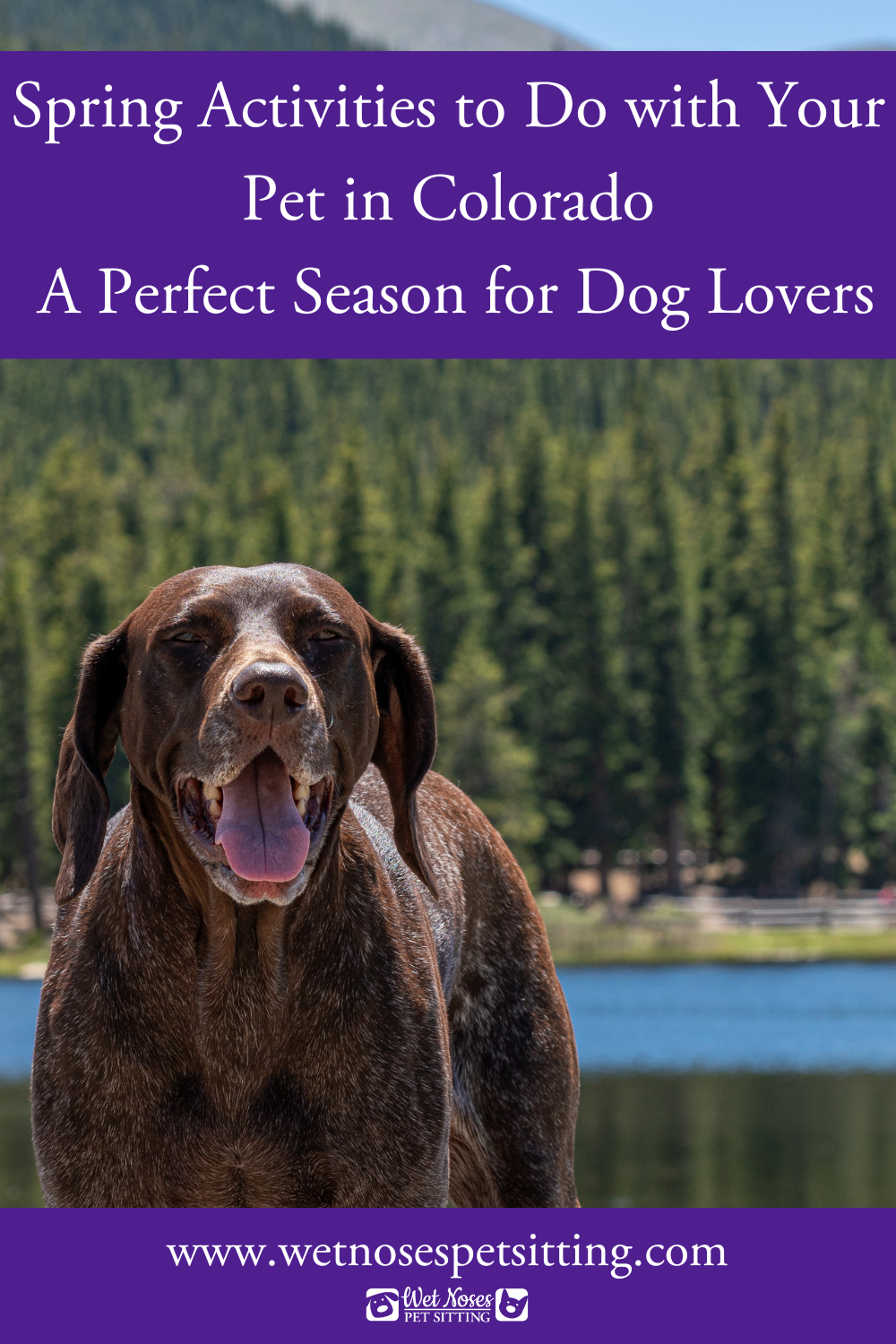


 When it comes time to travel, many pet owners face a tough decision: Should you hire a pet sitter to care for your furry friend at home, or should you board them at a facility? Both options have their advantages, but the right choice for your pet depends on a number of factors. Let’s explore the benefits of pet sitting and boarding, and help you decide which option is best for your pet.