
Flea & Tick Season Is Here! What Pet Parents Need to Know
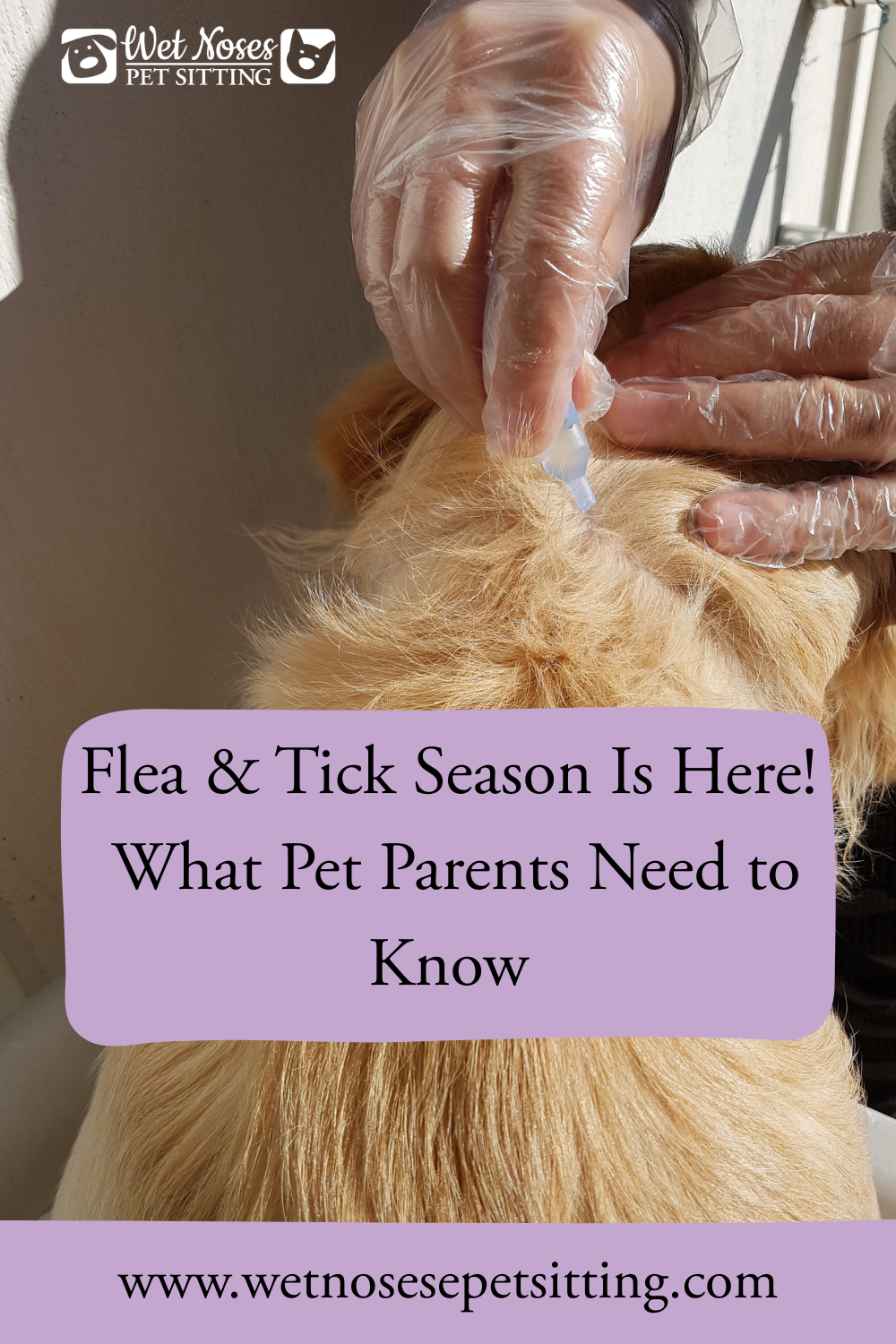
Flea & Tick Season Is Here! What Pet Parents Need to Know
As temperatures rise, so does the activity of two of the most common parasites affecting dogs and cats: fleas and ticks. Spring and summer mark the beginning of peak season for these pests, and early prevention is the best way to avoid infestations and serious health risks.
Whether you’re a longtime pet parent or new to the game, understanding how fleas and ticks operate — and how to prevent them — is key to keeping your pet safe and healthy.
What Are Fleas and Ticks?
Fleas are small, wingless insects that feed on blood. They reproduce rapidly and can infest not just your pet, but your home — including carpets, bedding, and furniture. A single female flea can lay up to 50 eggs per day.
Ticks are arachnids (related to spiders) that latch onto their host to feed. They are known carriers of several diseases, some of which can affect both animals and humans.
Why Fleas and Ticks Are Dangerous
Fleas and ticks are more than just a nuisance — they can cause a range of health problems:
Flea-Related Issues:
-
Flea allergy dermatitis (FAD): An allergic reaction to flea saliva that causes intense itching and skin infections.
-
Tapeworms: Pets can become infected after swallowing a flea carrying tapeworm larvae.
-
Anemia: Especially in puppies and kittens, severe flea infestations can lead to dangerous blood loss.
Tick-Transmitted Diseases:
-
Lyme disease: A bacterial infection that can cause fever, lameness, joint swelling, and lethargy.
-
Ehrlichiosis: Causes similar symptoms and can result in more serious blood and immune system complications.
-
Rocky Mountain spotted fever: A severe disease that affects both dogs and humans.
When and Where Fleas and Ticks Are Most Active
Fleas and ticks thrive in warm, humid environments, making late spring through early fall the most active period in most regions.
They are commonly found in:
-
Tall grass, wooded areas, or brush
-
Leaf litter and shaded outdoor spaces
-
Urban parks, backyards, and even on other animals
It’s important to note that fleas can survive indoors year-round if conditions are right — especially in warmer climates or heated homes.
Prevention: What Every Pet Owner Should Do
1. Use a Vet-Recommended Preventive Treatment
There are several types of flea and tick preventives available:
-
Topical treatments (applied monthly)
-
Oral medications (monthly or quarterly)
-
Flea and tick collars (can last several months)
Consult your veterinarian to determine the most appropriate solution based on your pet’s age, health, and lifestyle.
2. Inspect Your Pet Regularly
After walks, hikes, or outdoor play, do a thorough check:
-
Focus on the ears, neck, armpits, between the toes, and under the tail.
-
Ticks feel like small, firm bumps attached to the skin.
-
Flea droppings (or “flea dirt”) appear as tiny black specks.
3. Maintain Your Yard
-
Keep grass mowed and bushes trimmed.
-
Remove leaf piles and debris where pests can hide.
-
Consider professional yard treatments if you live in a high-risk area.
4. Clean Indoor Spaces
-
Vacuum carpets and upholstery regularly.
-
Wash pet bedding and soft toys weekly in hot water.
-
Treat your home if signs of an infestation appear.
Final Thoughts
Flea and tick season doesn’t have to be stressful. With consistent prevention, regular checks, and a little help from your pet care team, your dog or cat can enjoy the warmer months safely.
If you have travel plans or a busy schedule this spring and summer, make sure your sitter is up-to-date on your pet’s flea and tick prevention routine — we’re happy to help!
Have questions or need help coordinating care? Contact Wet Noses Pet Sitting, we’re always here to support you and your pets.


Leave a Reply
Want to join the discussion?Feel free to contribute!