
The Importance of Cleaning Your Pet’s Food and Water Bowls
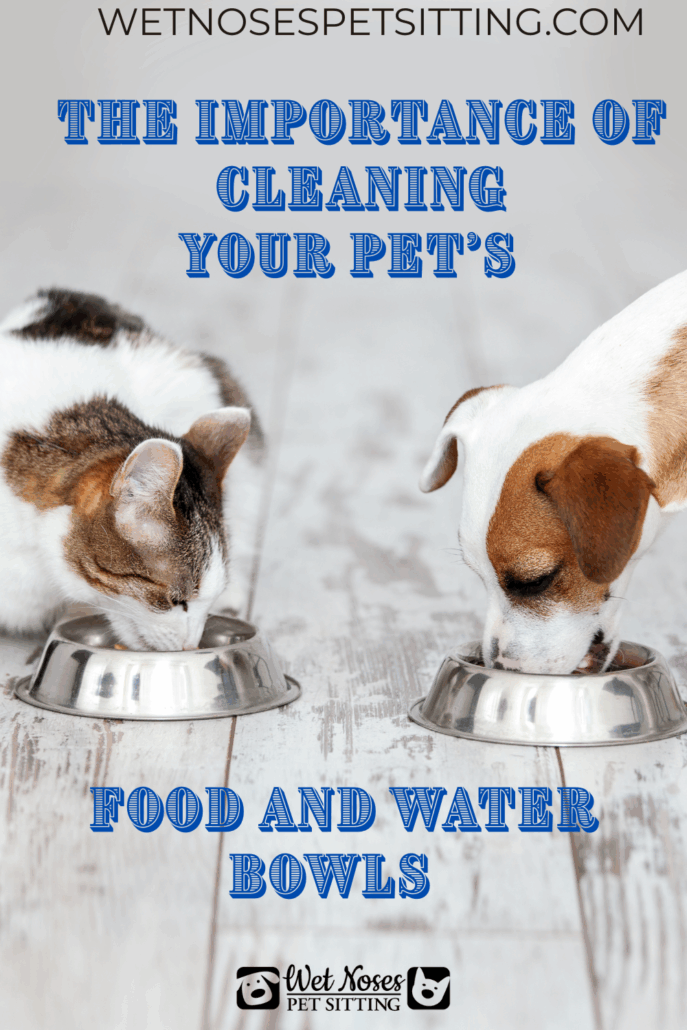
The Importance of Cleaning Your Pet’s Food and Water Bowls
We wash our own dishes every day, but how often do we think about our pets’ bowls? Regularly cleaning your pet’s food and water bowls is one of the simplest ways to support their health and well-being.
Bacteria Build Up Fast
Leftover food and saliva create a breeding ground for bacteria like E. coli, Salmonella and yeast. These can cause stomach upset, infections, or worse. A National Sanitation Foundation study even found pet bowls to be among the top five germiest household items, right up there with kitchen sponges and toothbrush holders.
Biofilm, Pink Mold, and Slime Aren’t Just Gross
That slippery layer that forms inside a water bowl is called biofilm. It’s made of bacteria that stick together and become harder to remove over time. One common example is pink mold, which isn’t really a mold at all but a type of biofilm caused by the bacteria Serratia marcescens. It thrives in damp areas like pet bowls, shower corners, and even bathroom sinks. Once it builds up, it can cause skin irritation, urinary infections and stomach upset if ingested. Regular scrubbing breaks up biofilm and removes pink mold before it becomes harmful.
Fresh Taste, Better Hydration
Pets notice when their bowls smell or taste “off.” If water or food residue sits too long, it can discourage drinking and reduce appetite, especially for picky eaters or senior pets. Some cats will even avoid their bowl completely if it’s dirty, which can quickly lead to dehydration or stress-related eating changes. Keeping bowls clean encourages proper hydration and consistent eating habits.
Keeps Allergies and Odors Away
Dirty bowls can also attract dust, hair and mold spores, which may trigger allergies or create unpleasant odors around your feeding area. A quick wash keeps your home fresher and your pet’s environment healthier.
Choose the Right Bowl
Opt for stainless steel or ceramic over plastic, which scratches easily and traps bacteria in tiny grooves. Replace bowls if they become cracked or cloudy.
How Often to Wash
-
Food bowls: Wash after every meal using hot, soapy water or place them in the dishwasher on a hot cycle.
-
Water bowls: Clean at least once daily, even if they still look full. A quick rinse and refill morning and night helps too.
-
Deep clean weekly: Soak bowls in a mixture of vinegar and water or use a pet-safe disinfectant for a more thorough sanitizing.
The American Kennel Club cites DVM, Dr. Jamie Whittenburg, who says food and water bowls should be washed daily “to avoid the accumulation of food residue and biofilm, which can be detrimental to the health of your pets and the rest of your family.” It also notes that the FDA recommends washing food bowls after each use, especially with wet food.
Dishwashers make this routine simple. Stainless steel and ceramic bowls are usually dishwasher safe and can be washed alongside your regular dishes, just avoid plastic, which can warp or trap bacteria in tiny scratches.
A Small Step with Big Impact
Clean bowls might seem like a minor detail, but for your pet, it means fewer health risks, fresher water and a happier mealtime. Think of it as one small act of love that adds up to a lifetime of wellness.
Find more pet health tips at Wet Noses Pet Sitting.


Leave a Reply
Want to join the discussion?Feel free to contribute!